









wealthtrend
  • Home
  • Top News
  • Global

    The Global Interest Rate Turning Point: How Central Banks Are Changing Their Policies

    The New Shape of Global Trade and Finance: How Supply Chains and Currencies Are Moving

    The Rise of Digital Money:

    Finance in a Time of Geopolitical Tension:

    The New Shape of Work: How Technology Is Changing U.S. Jobs

    The New Forces Driving Global Markets:Technology, Demographics, and the Rise of Emerging Economies

    Global Payments at an Inflection Point: How Infrastructure, Regulation, and Geopolitics Are Rewriting the Future of Money

  • Asia-Pacific
    Japan’s Slow but Steady Recovery: How an Aging Nation Is Searching for New Growth

    Japan and South Korea: Comparative Economic Analysis and Future Prospects

    Japan’s Slow but Steady Recovery: How an Aging Nation Is Searching for New Growth

    South Korea’s Economy in Transition: Challenges, Opportunities, and the Path Ahead

    Japan’s Slow but Steady Recovery: How an Aging Nation Is Searching for New Growth

    South Korea’s Economic Transformation: From Manufacturing to Technology and Services

    Japan’s Slow but Steady Recovery: How an Aging Nation Is Searching for New Growth

    Japan’s Slow but Steady Recovery: How an Aging Nation Is Searching for New Growth

    Japan’s Slow but Steady Recovery: How an Aging Nation Is Searching for New Growth

    The Rise of Asia as the Next Global Financial Center

  • Europe

    The Social Foundations of Economic Stability: How France and Germany Are Managing Inequality, Welfare, and the Future of Work

    The Energy Transition Challenge: How France and Germany Are Rebuilding Their Economic Power Through Green Transformation

    France and Germany in a Shifting Global Economy: How Both Countries Are Rebuilding Their Competitiveness

    Germany’s Economy at a Turning Point: Slow Growth, Industrial Pressure, and the Search for a New Future

    France’s Economy in a Time of Slow Growth and Social Pressure

    The New Monetary Landscape of Europe: How the Eurozone Is Redefining Its Financial Future

  • viewpoint
  • America
  • Europe and America
wealthtrend
  • Home
  • Top News
  • Global

    The Global Interest Rate Turning Point: How Central Banks Are Changing Their Policies

    The New Shape of Global Trade and Finance: How Supply Chains and Currencies Are Moving

    The Rise of Digital Money:

    Finance in a Time of Geopolitical Tension:

    The New Shape of Work: How Technology Is Changing U.S. Jobs

    The New Forces Driving Global Markets:Technology, Demographics, and the Rise of Emerging Economies

    Global Payments at an Inflection Point: How Infrastructure, Regulation, and Geopolitics Are Rewriting the Future of Money

  • Asia-Pacific
    Japan’s Slow but Steady Recovery: How an Aging Nation Is Searching for New Growth

    Japan and South Korea: Comparative Economic Analysis and Future Prospects

    Japan’s Slow but Steady Recovery: How an Aging Nation Is Searching for New Growth

    South Korea’s Economy in Transition: Challenges, Opportunities, and the Path Ahead

    Japan’s Slow but Steady Recovery: How an Aging Nation Is Searching for New Growth

    South Korea’s Economic Transformation: From Manufacturing to Technology and Services

    Japan’s Slow but Steady Recovery: How an Aging Nation Is Searching for New Growth

    Japan’s Slow but Steady Recovery: How an Aging Nation Is Searching for New Growth

    Japan’s Slow but Steady Recovery: How an Aging Nation Is Searching for New Growth

    The Rise of Asia as the Next Global Financial Center

  • Europe

    The Social Foundations of Economic Stability: How France and Germany Are Managing Inequality, Welfare, and the Future of Work

    The Energy Transition Challenge: How France and Germany Are Rebuilding Their Economic Power Through Green Transformation

    France and Germany in a Shifting Global Economy: How Both Countries Are Rebuilding Their Competitiveness

    Germany’s Economy at a Turning Point: Slow Growth, Industrial Pressure, and the Search for a New Future

    France’s Economy in a Time of Slow Growth and Social Pressure

    The New Monetary Landscape of Europe: How the Eurozone Is Redefining Its Financial Future

  • viewpoint
  • America
  • Europe and America
wealthtrend
Home Global

The Conclusion of COP29: A New Agreement on Global Climate Funding

December 25, 2024
in Global, Top News
The Conclusion of COP29: A New Agreement on Global Climate Funding

A Significant Gathering in Baku

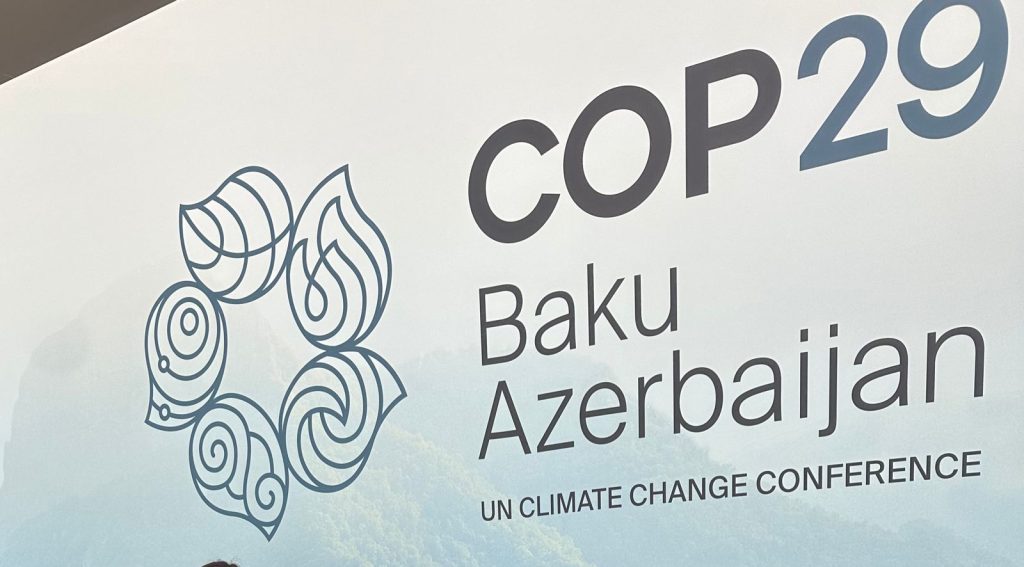
In the early hours of November 24, the 29th Conference of the Parties (COP29) to the United Nations Framework Convention on Climate Change concluded in Baku, Azerbaijan, after an extension of over 30 hours. The conference, which was initially scheduled to end the previous Friday, became a vital platform for nearly 200 nations to come together and negotiate a new collective quantifiable target for climate financing, known as the National Climate Quantifiable Goal (NCQG), and discussions surrounding Article 6 of the Paris Agreement regarding international carbon market mechanisms.

The Green Funding Mandate

At the heart of the agreements reached is a commitment from developed countries to provide at least $300 billion annually to developing nations. This funding is aimed at assisting these nations in combating natural disasters, transitioning energy structures, and minimizing the reliance on fossil fuels while moving toward greener energy sources. Climate change represents a universal challenge that humanity confronts, and climate financing serves as a crucial pillar for implementing climate actions, achieving emission reduction targets, and adapting to unavoidable changes.

A Groundbreaking Pact

The negotiations were grueling, yet they bore fruit. By the end of the conference, the delegates determined climate funding targets that extend beyond 2025, setting a minimum annual funding goal of $300 billion from developed to developing countries by 2035, along with a broader climate financing target of at least $1.3 trillion annually. This sets a vital precedent for developing nations as they prepare to present their new Nationally Determined Contributions (NDCs) in the coming year.
The Launch of the Global Carbon Market

A particularly noteworthy achievement of COP29 was the long-anticipated approval of Article 6, Paragraph 4 of the Paris Agreement, allowing for the official start of a global carbon market. This mechanism enables countries with high carbon emissions to purchase credits from those with lower emissions, essentially funding reduction projects in developing countries. However, this market has faced numerous criticisms and challenges, including a lack of transparency in credit allocation, ensuring the integrity of emission reduction projects, and managing the complexities of cross-border credit transfers.

Global Commitment to Action

COP29 also facilitated the establishment of a comprehensive work plan for mitigating climate change and global adaptation goals, reinforcing the momentum toward a sustainable, low-carbon transition worldwide. It is imperative that developed nations uphold their moral responsibility to provide financial support to developing countries. This obligation is not merely ethical but also a requirement under the Paris Agreement and the UN Framework Convention on Climate Change.

Acknowledging Historical Responsibility

The agreements reached at COP29 reflect an acknowledgment of historical responsibilities linked to climate change, overwhelmingly attributed to the high levels of emissions from developed nations over the past century. Consequently, these nations are required to take responsibility and offer financial assistance to developing ones. As explicitly stated in the Paris Agreement, developed countries are obligated to provide funding for climate initiatives, with other countries encouraged to contribute as they are able. Following contentious debates, developed nations ultimately consented to increase their funding commitments, arriving at the goal of $300 billion annually by 2035, alongside a broader climate financing target of $1.3 trillion per year. While this figure may fall short of expectations, it represents crucial progress.

Dissatisfaction Among Some Nations

However, not all nations are satisfied with these commitments. Research indicates that poorer countries require trillions of dollars to effectively combat the adverse impacts of climate change, including rising sea levels, storms, droughts, and floods. The agreed target of $300 billion annually from wealthy nations is inadequate compared to the $1.3 trillion sought by developing nations during prior negotiations over the last three years. The discrepancy between these figures highlights a profound gap in meeting the actual financial needs of developing countries to combat climate change.

For instance, representatives from India expressed profound discontent with the final funding agreements, arguing that the proposed amounts are insufficient for implementing effective climate actions or facilitating a transition to low-carbon economies. India emphasized that addressing climate change requires a collective global effort, with developed nations needing to shoulder greater responsibility and provide ample financial and technological support to their developing counterparts.

Voicing Concerns for Greater Ambition

In response to the outcomes of the conference, United Nations Secretary-General António Guterres acknowledged the importance of achieving agreement to maintain global temperature increases below 1.5 degrees Celsius. However, he expressed his hope that the parties would have demonstrated greater ambition in terms of funding and emission reductions. Guterres commended the efforts made by representatives in finding common ground, asserting that “the agreement must be fully implemented, commitments must swiftly translate into funding, and all nations must work together to ensure the achievement of new targets.”


Tags: ClimateCOP29finance
ShareTweetShare

Related Posts

Global

The Global Interest Rate Turning Point: How Central Banks Are Changing Their Policies

November 30, 2025
Global

The New Shape of Global Trade and Finance: How Supply Chains and Currencies Are Moving

November 30, 2025
Global

The Rise of Digital Money:

November 30, 2025
Global

Finance in a Time of Geopolitical Tension:

November 30, 2025
The New Shape of Work: How Technology Is Changing U.S. Jobs
Global

The New Forces Driving Global Markets:Technology, Demographics, and the Rise of Emerging Economies

November 30, 2025
The Global Liquidity Squeeze:
Top News

The Turning Point in Global Monetary Policy:

November 25, 2025
Load More
Leave Comment
  • Bitcoin on a rollercoaster ride The whole network more than 110,000 people exploded warehouse 2.9 billion yuan evaporation in 24 hours! What’s going on?

    Bitcoin on a rollercoaster ride The whole network more than 110,000 people exploded warehouse 2.9 billion yuan evaporation in 24 hours! What’s going on?

    0 shares
    Share 0 Tweet 0
  • There are always unconvinced want to try! The size of Nvidia’s short position is now comparable to Apple and Tesla combined

    0 shares
    Share 0 Tweet 0
  • The probability is about 75%! Will the G7 fall?

    0 shares
    Share 0 Tweet 0
  • A number of data point to the Japanese government intervention in the currency market after the “5 trillion” still depends on the United States

    0 shares
    Share 0 Tweet 0
  • How far can Tech stocks go to split on Fed expectations?

    0 shares
    Share 0 Tweet 0

Hot

The New Inflation Puzzle: Why Europe and the United States Are Struggling With Different Price Pressures

The New Economic Landscape of Europe and the United States: How 2025 is Reshaping Growth Models

December 3, 2025
The New Inflation Puzzle: Why Europe and the United States Are Struggling With Different Price Pressures

Transatlantic Trade Shifts: How Europe and the United States Are Redefining Economic Partnerships in 2025

December 3, 2025
The New Inflation Puzzle: Why Europe and the United States Are Struggling With Different Price Pressures

The Energy Transition Divide: How Europe and the United States Are Taking Different Paths Toward a Green Economy

December 3, 2025
The New Inflation Puzzle: Why Europe and the United States Are Struggling With Different Price Pressures

The New Workforce Challenge: How Europe and the United States Are Struggling With Talent Shortages and Productivity Slowdowns

December 3, 2025
The New Inflation Puzzle: Why Europe and the United States Are Struggling With Different Price Pressures

The New Inflation Puzzle: Why Europe and the United States Are Struggling With Different Price Pressures

December 3, 2025

The Social Foundations of Economic Stability: How France and Germany Are Managing Inequality, Welfare, and the Future of Work

December 2, 2025

The Energy Transition Challenge: How France and Germany Are Rebuilding Their Economic Power Through Green Transformation

December 2, 2025

France and Germany in a Shifting Global Economy: How Both Countries Are Rebuilding Their Competitiveness

December 2, 2025

Germany’s Economy at a Turning Point: Slow Growth, Industrial Pressure, and the Search for a New Future

December 2, 2025

France’s Economy in a Time of Slow Growth and Social Pressure

December 2, 2025
The New Inflation Puzzle: Why Europe and the United States Are Struggling With Different Price Pressures
Europe and America

The New Economic Landscape of Europe and the United States: How 2025 is Reshaping Growth Models

December 3, 2025
The New Inflation Puzzle: Why Europe and the United States Are Struggling With Different Price Pressures
Europe and America

Transatlantic Trade Shifts: How Europe and the United States Are Redefining Economic Partnerships in 2025

December 3, 2025
The New Inflation Puzzle: Why Europe and the United States Are Struggling With Different Price Pressures
Europe and America

The Energy Transition Divide: How Europe and the United States Are Taking Different Paths Toward a Green Economy

December 3, 2025
The New Inflation Puzzle: Why Europe and the United States Are Struggling With Different Price Pressures
Europe and America

The New Workforce Challenge: How Europe and the United States Are Struggling With Talent Shortages and Productivity Slowdowns

December 3, 2025
wealthtrend

WealthTrend, as the leading financial information service platform in the industry, provides comprehensive, timely and accurate financial information services for investors and financial practitioners by virtue of its deep industry background, clear service purpose and unique characteristics.

Copyright © 2025 Contact: [email protected]

No Result
View All Result
  • Home
  • Top News
  • Global
  • Asia-Pacific
  • Europe
  • viewpoint
  • America
  • Europe and America

Copyright © 2025 Contact: [email protected]

Welcome Back!

Login to your account below

Forgotten Password?

Retrieve your password

Please enter your username or email address to reset your password.

Log In