








wealthtrend
  • Home
  • Top News
  • Global

    The Global Interest Rate Turning Point: How Central Banks Are Changing Their Policies

    The New Shape of Global Trade and Finance: How Supply Chains and Currencies Are Moving

    The Rise of Digital Money:

    Finance in a Time of Geopolitical Tension:

    The New Shape of Work: How Technology Is Changing U.S. Jobs

    The New Forces Driving Global Markets:Technology, Demographics, and the Rise of Emerging Economies

    Global Payments at an Inflection Point: How Infrastructure, Regulation, and Geopolitics Are Rewriting the Future of Money

  • Asia-Pacific
    Japan’s Slow but Steady Recovery: How an Aging Nation Is Searching for New Growth

    Japan and South Korea: Comparative Economic Analysis and Future Prospects

    Japan’s Slow but Steady Recovery: How an Aging Nation Is Searching for New Growth

    South Korea’s Economy in Transition: Challenges, Opportunities, and the Path Ahead

    Japan’s Slow but Steady Recovery: How an Aging Nation Is Searching for New Growth

    South Korea’s Economic Transformation: From Manufacturing to Technology and Services

    Japan’s Slow but Steady Recovery: How an Aging Nation Is Searching for New Growth

    Japan’s Slow but Steady Recovery: How an Aging Nation Is Searching for New Growth

    Japan’s Slow but Steady Recovery: How an Aging Nation Is Searching for New Growth

    The Rise of Asia as the Next Global Financial Center

  • Europe

    The New Monetary Landscape of Europe: How the Eurozone Is Redefining Its Financial Future

    European Fiscal Pressures After the Energy Shock: Debt, Deficits, and a New Era of Public Finance

    Europe’s Banking System Under Pressure: Stability, Fragmentation, and the Search for a Unified Financial Architecture

    Europe’s Green Transition: Financing Sustainability Amid Economic Strain

    The Euro’s Paradox: Why Europe’s Currency Remains Strong Despite Monetary Easing and Economic Weakness

    The State of the Eurozone Economy and the Euro: Macro-Trends and Inflation Dynamics

  • viewpoint
  • America
  • Europe and America
wealthtrend
  • Home
  • Top News
  • Global

    The Global Interest Rate Turning Point: How Central Banks Are Changing Their Policies

    The New Shape of Global Trade and Finance: How Supply Chains and Currencies Are Moving

    The Rise of Digital Money:

    Finance in a Time of Geopolitical Tension:

    The New Shape of Work: How Technology Is Changing U.S. Jobs

    The New Forces Driving Global Markets:Technology, Demographics, and the Rise of Emerging Economies

    Global Payments at an Inflection Point: How Infrastructure, Regulation, and Geopolitics Are Rewriting the Future of Money

  • Asia-Pacific
    Japan’s Slow but Steady Recovery: How an Aging Nation Is Searching for New Growth

    Japan and South Korea: Comparative Economic Analysis and Future Prospects

    Japan’s Slow but Steady Recovery: How an Aging Nation Is Searching for New Growth

    South Korea’s Economy in Transition: Challenges, Opportunities, and the Path Ahead

    Japan’s Slow but Steady Recovery: How an Aging Nation Is Searching for New Growth

    South Korea’s Economic Transformation: From Manufacturing to Technology and Services

    Japan’s Slow but Steady Recovery: How an Aging Nation Is Searching for New Growth

    Japan’s Slow but Steady Recovery: How an Aging Nation Is Searching for New Growth

    Japan’s Slow but Steady Recovery: How an Aging Nation Is Searching for New Growth

    The Rise of Asia as the Next Global Financial Center

  • Europe

    The New Monetary Landscape of Europe: How the Eurozone Is Redefining Its Financial Future

    European Fiscal Pressures After the Energy Shock: Debt, Deficits, and a New Era of Public Finance

    Europe’s Banking System Under Pressure: Stability, Fragmentation, and the Search for a Unified Financial Architecture

    Europe’s Green Transition: Financing Sustainability Amid Economic Strain

    The Euro’s Paradox: Why Europe’s Currency Remains Strong Despite Monetary Easing and Economic Weakness

    The State of the Eurozone Economy and the Euro: Macro-Trends and Inflation Dynamics

  • viewpoint
  • America
  • Europe and America
wealthtrend
Home Asia-Pacific

South Korea’s Economy in Transition: Challenges, Opportunities, and the Path Ahead

December 1, 2025
in Asia-Pacific
Japan’s Slow but Steady Recovery: How an Aging Nation Is Searching for New Growth

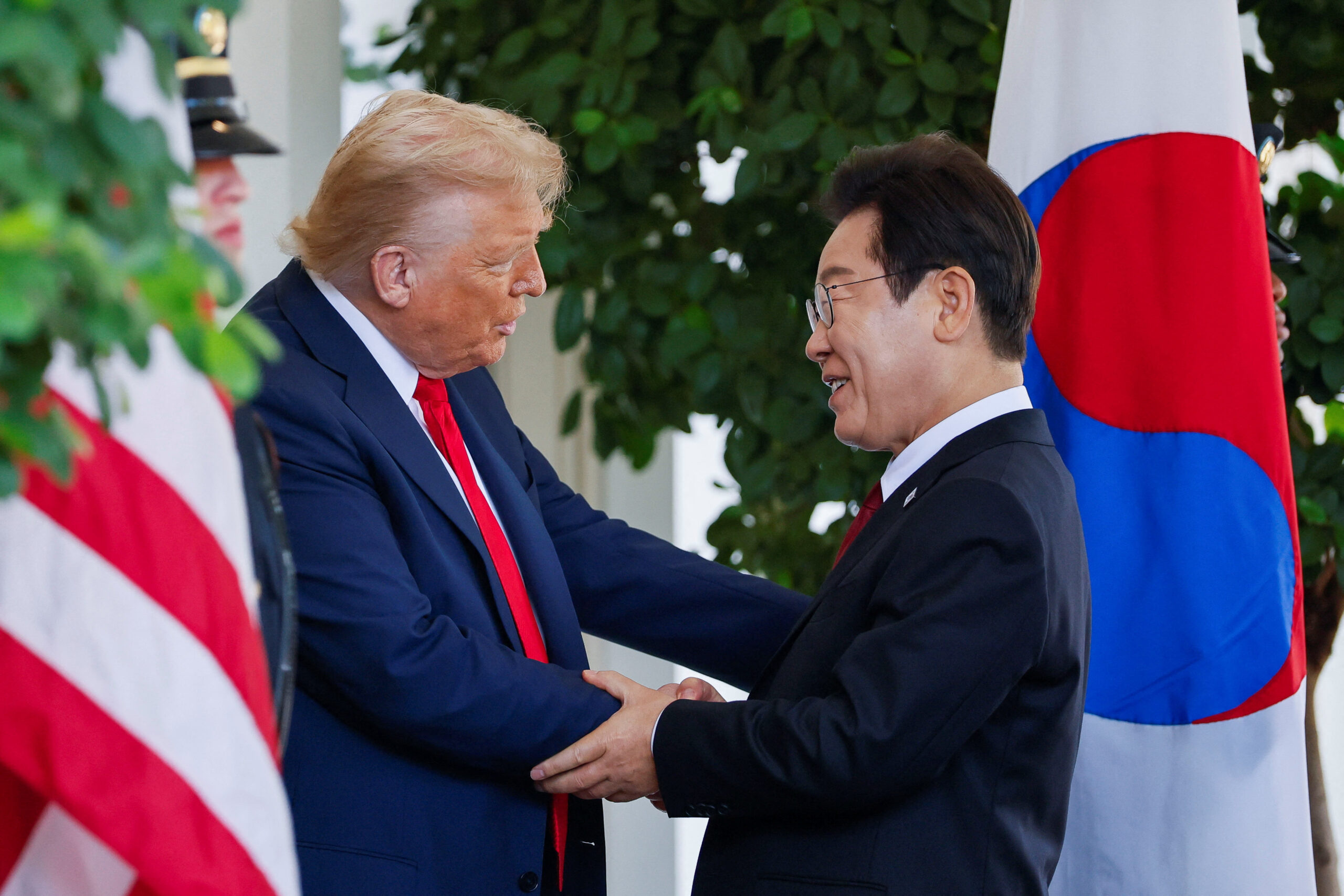
U.S. President Donald Trump welcomes South Korean President Lee Jae Myung at the White House in Washington, D.C., U.S., August 25, 2025. REUTERS/Brian Snyder TPX IMAGES OF THE DAY

South Korea is one of the most dynamic economies in Asia. It has experienced extraordinary growth over the past 60 years, transforming from a poor, agrarian country into a global industrial and technological power. Its global brands, advanced infrastructure, and innovative industries make it a key player in the world economy. However, South Korea now faces a new set of challenges that require structural economic reforms, technological adaptation, and demographic solutions.

This article explores South Korea’s current economic environment, its main challenges, its new growth sectors, and the long-term strategies that may determine its future success. The goal is to provide a clear and comprehensive view of Korea’s economy in a way that is accessible and practical.


1. Historical Background: From Poverty to Prosperity

South Korea’s economic story is often described as a “miracle on the Han River.” Several factors contributed to its rapid development:

1.1 Export-Oriented Industrialization

From the 1960s to the 1990s, South Korea focused on developing:

  • steel and heavy industries
  • shipbuilding and automobiles
  • electronics and consumer goods

The government worked closely with major conglomerates, known as chaebols, such as Samsung, Hyundai, and LG, providing incentives for exports, tax benefits, and access to financing.

1.2 Education and Workforce Development

South Korea invested heavily in education. A highly educated workforce allowed the country to move from simple manufacturing to high-tech production. Skilled labor became the foundation for advanced industries, including electronics, semiconductors, and IT.

1.3 Infrastructure Development

Transportation, ports, and telecommunications improved rapidly. These investments enabled efficient logistics, export capacity, and global competitiveness.


2. Current Economic Challenges

Despite its success, South Korea faces structural challenges that threaten long-term growth.

2.1 Demographic Decline

South Korea has one of the lowest fertility rates in the world. In 2025, the birth rate is below 0.8 children per woman. Combined with increasing life expectancy, this leads to:

  • a shrinking workforce
  • rising pension and healthcare costs
  • slower domestic consumption

2.2 Heavy Dependence on Exports

Exports account for over 40% of South Korea’s GDP. While this brings wealth and global influence, it also creates vulnerability:

  • trade conflicts
  • global demand shocks
  • supply chain disruptions

2.3 Household Debt

High household debt levels reduce consumer spending. Many young adults struggle to buy homes or save money, which constrains domestic consumption and limits economic flexibility.

2.4 Labor Market Challenges

The labor market is highly competitive but uneven:

  • youth unemployment remains high
  • temporary and part-time contracts are common
  • wage growth is relatively slow
  • gender disparities persist

These factors affect consumption, productivity, and social stability.


3. The Role of Technology in Economic Transition

South Korea is focusing on technology and innovation as its main strategy for sustainable growth.

3.1 Semiconductor Leadership

Semiconductors remain the most important export sector. Companies like Samsung and SK Hynix dominate global memory chip markets. The government supports this sector through:

  • tax incentives for R&D
  • new production facilities
  • global partnerships

Semiconductors are not just exports; they form the foundation for Korea’s technological ecosystem.

3.2 Green and Renewable Energy

South Korea is investing heavily in:

  • solar and wind energy
  • hydrogen fuel
  • electric vehicles
  • energy-efficient infrastructure

The Green New Deal policy aims to create new industries, reduce carbon emissions, and provide sustainable jobs.

3.3 Digital Transformation

Digitalization is reshaping South Korea’s economy:

  • AI and big data improve industrial efficiency
  • fintech platforms expand financial access
  • telemedicine and e-health services grow rapidly
  • smart city initiatives enhance urban management

Digital transformation increases productivity and creates new opportunities across multiple sectors.


4. Diversification into the Service Economy

South Korea is gradually moving from manufacturing dominance to a more service-oriented economy.

4.1 Cultural Exports

The global popularity of K-pop, K-dramas, movies, games, and fashion has turned cultural exports into a significant economic sector. Soft power translates into revenue through:

  • music and film sales
  • online streaming services
  • tourism related to K-culture

This is an example of non-traditional growth driving economic resilience.

4.2 Logistics and Delivery Services

E-commerce has expanded rapidly, requiring:

  • advanced logistics networks
  • automated warehouses
  • last-mile delivery solutions

These industries provide employment and technological integration opportunities.

4.3 Education and IT Services

South Korea’s high-quality education system has created a pool of skilled workers, now fueling:

  • online education platforms
  • IT service outsourcing
  • software development and AI research

The knowledge economy is gradually becoming a pillar of growth.


5. International Trade and Global Integration

South Korea’s economic success relies heavily on global trade. Its strategy includes:

5.1 Trade Partnerships

South Korea maintains Free Trade Agreements with the U.S., EU, ASEAN, and other nations. This ensures:

  • market access
  • competitive exports
  • opportunities for foreign investment

5.2 Global Supply Chains

South Korean companies participate in complex global supply chains, particularly in semiconductors, automotive, and electronics. Any disruption—such as geopolitical tensions or global recessions—directly affects domestic growth.

5.3 Investment in Overseas Markets

Korean companies expand abroad to:

  • diversify revenue
  • acquire technology
  • reduce domestic market dependence

Global integration is both an opportunity and a risk.


6. Labor Market Trends and Workforce Challenges

South Korea faces major workforce issues that could impact long-term growth.

6.1 Youth Employment

Young workers face high competition for secure jobs. Many turn to:

  • technology startups
  • freelancing and gig work
  • creative industries

Youth unemployment and underemployment can reduce economic confidence and consumer spending.

6.2 Aging Workforce

An older workforce limits productivity. Retraining programs are essential to keep older employees contributing in new sectors, such as technology, health care, and service industries.

6.3 Gender Participation

Policies are slowly increasing female participation, such as:

  • flexible working hours
  • parental leave
  • career advancement programs

Gender equality can improve labor force utilization and support economic growth.


7. Economic Policies Supporting Transition

South Korea’s government is implementing multiple strategies to support economic transformation.

7.1 Innovation and R&D Investment

The government invests in:

  • semiconductors
  • AI and robotics
  • green technology
  • smart cities

Public-private partnerships are key to long-term competitiveness.

7.2 Social Safety Nets

Policies include:

  • enhanced healthcare coverage
  • pension reforms
  • youth employment programs
  • retraining initiatives

These measures aim to mitigate demographic pressures and maintain social stability.

7.3 Encouraging Entrepreneurship

Startups are supported through:

  • government funds
  • tax incentives
  • incubators and accelerators

Entrepreneurship stimulates innovation and reduces dependency on large chaebols.


8. Future Outlook and Growth Strategies

South Korea’s economic future will depend on the successful implementation of structural reforms and innovation policies.

8.1 Focus on High-Tech and Knowledge Economy

Technology-driven sectors will be the main growth engines. These include:

  • AI and big data
  • semiconductors
  • green energy
  • digital services

8.2 Addressing Demographics

The government must:

  • manage aging population effects
  • encourage female workforce participation
  • consider gradual immigration policy adjustments
  • invest in retraining and reskilling

8.3 Reducing Export Vulnerability

By growing domestic consumption and cultural exports, South Korea can reduce over-dependence on global demand. Strengthening service sectors and knowledge industries will create a more balanced economy.


Conclusion

South Korea stands at a critical turning point. Its past success came from manufacturing, heavy industry, and export-oriented growth. The future will depend on:

  • technological innovation
  • digital transformation
  • diversification into services and knowledge industries
  • adaptation to demographic change
  • global economic integration

The country has a strong foundation: highly educated workforce, advanced infrastructure, and globally competitive corporations. If South Korea can successfully implement these strategies, it will continue to be one of Asia’s most resilient and innovative economies, even in a rapidly changing global environment.

South Korea’s path is challenging but promising. By focusing on innovation, services, and sustainable growth, the nation can create an economy that is not only globally competitive but also adaptable to demographic realities and future uncertainties.

Tags: Asia-PacificeconomyfinanceFinance and economics
ShareTweetShare

Related Posts

Japan’s Slow but Steady Recovery: How an Aging Nation Is Searching for New Growth
Asia-Pacific

Japan and South Korea: Comparative Economic Analysis and Future Prospects

December 1, 2025
Japan’s Slow but Steady Recovery: How an Aging Nation Is Searching for New Growth
Asia-Pacific

South Korea’s Economic Transformation: From Manufacturing to Technology and Services

December 1, 2025
Japan’s Slow but Steady Recovery: How an Aging Nation Is Searching for New Growth
Asia-Pacific

December 1, 2025
Japan’s Slow but Steady Recovery: How an Aging Nation Is Searching for New Growth
Asia-Pacific

Japan’s Slow but Steady Recovery: How an Aging Nation Is Searching for New Growth

December 1, 2025
Asia-Pacific

The Rise of Asia as the Next Global Financial Center

November 27, 2025
Asia-Pacific

China’s Post-Pandemic Financial Strategy: Stability, Reform, and Global Influence

November 27, 2025
Load More
Leave Comment
  • Bitcoin on a rollercoaster ride The whole network more than 110,000 people exploded warehouse 2.9 billion yuan evaporation in 24 hours! What’s going on?

    Bitcoin on a rollercoaster ride The whole network more than 110,000 people exploded warehouse 2.9 billion yuan evaporation in 24 hours! What’s going on?

    0 shares
    Share 0 Tweet 0
  • There are always unconvinced want to try! The size of Nvidia’s short position is now comparable to Apple and Tesla combined

    0 shares
    Share 0 Tweet 0
  • The probability is about 75%! Will the G7 fall?

    0 shares
    Share 0 Tweet 0
  • A number of data point to the Japanese government intervention in the currency market after the “5 trillion” still depends on the United States

    0 shares
    Share 0 Tweet 0
  • How far can Tech stocks go to split on Fed expectations?

    0 shares
    Share 0 Tweet 0

Hot

Japan’s Slow but Steady Recovery: How an Aging Nation Is Searching for New Growth

Japan and South Korea: Comparative Economic Analysis and Future Prospects

December 1, 2025
Japan’s Slow but Steady Recovery: How an Aging Nation Is Searching for New Growth

South Korea’s Economy in Transition: Challenges, Opportunities, and the Path Ahead

December 1, 2025
Japan’s Slow but Steady Recovery: How an Aging Nation Is Searching for New Growth

South Korea’s Economic Transformation: From Manufacturing to Technology and Services

December 1, 2025
Japan’s Slow but Steady Recovery: How an Aging Nation Is Searching for New Growth

December 1, 2025
Japan’s Slow but Steady Recovery: How an Aging Nation Is Searching for New Growth

Japan’s Slow but Steady Recovery: How an Aging Nation Is Searching for New Growth

December 1, 2025

The Global Interest Rate Turning Point: How Central Banks Are Changing Their Policies

November 30, 2025

The New Shape of Global Trade and Finance: How Supply Chains and Currencies Are Moving

November 30, 2025

The Rise of Digital Money:

November 30, 2025

Finance in a Time of Geopolitical Tension:

November 30, 2025
The New Shape of Work: How Technology Is Changing U.S. Jobs

The New Forces Driving Global Markets:Technology, Demographics, and the Rise of Emerging Economies

November 30, 2025
Japan’s Slow but Steady Recovery: How an Aging Nation Is Searching for New Growth
Asia-Pacific

Japan and South Korea: Comparative Economic Analysis and Future Prospects

December 1, 2025
Japan’s Slow but Steady Recovery: How an Aging Nation Is Searching for New Growth
Asia-Pacific

South Korea’s Economy in Transition: Challenges, Opportunities, and the Path Ahead

December 1, 2025
Japan’s Slow but Steady Recovery: How an Aging Nation Is Searching for New Growth
Asia-Pacific

South Korea’s Economic Transformation: From Manufacturing to Technology and Services

December 1, 2025
Japan’s Slow but Steady Recovery: How an Aging Nation Is Searching for New Growth
Asia-Pacific

December 1, 2025
wealthtrend

WealthTrend, as the leading financial information service platform in the industry, provides comprehensive, timely and accurate financial information services for investors and financial practitioners by virtue of its deep industry background, clear service purpose and unique characteristics.

Copyright © 2025 Contact: [email protected]

No Result
View All Result
  • Home
  • Top News
  • Global
  • Asia-Pacific
  • Europe
  • viewpoint
  • America
  • Europe and America

Copyright © 2025 Contact: [email protected]

Welcome Back!

Login to your account below

Forgotten Password?

Retrieve your password

Please enter your username or email address to reset your password.

Log In