







wealthtrend
  • Home
  • Top News
  • Global

    The Global Interest Rate Turning Point: How Central Banks Are Changing Their Policies

    The New Shape of Global Trade and Finance: How Supply Chains and Currencies Are Moving

    The Rise of Digital Money:

    Finance in a Time of Geopolitical Tension:

    The New Shape of Work: How Technology Is Changing U.S. Jobs

    The New Forces Driving Global Markets:Technology, Demographics, and the Rise of Emerging Economies

    Global Payments at an Inflection Point: How Infrastructure, Regulation, and Geopolitics Are Rewriting the Future of Money

  • Asia-Pacific
    Japan’s Slow but Steady Recovery: How an Aging Nation Is Searching for New Growth

    Japan and South Korea: Comparative Economic Analysis and Future Prospects

    Japan’s Slow but Steady Recovery: How an Aging Nation Is Searching for New Growth

    South Korea’s Economy in Transition: Challenges, Opportunities, and the Path Ahead

    Japan’s Slow but Steady Recovery: How an Aging Nation Is Searching for New Growth

    South Korea’s Economic Transformation: From Manufacturing to Technology and Services

    Japan’s Slow but Steady Recovery: How an Aging Nation Is Searching for New Growth

    Japan’s Slow but Steady Recovery: How an Aging Nation Is Searching for New Growth

    Japan’s Slow but Steady Recovery: How an Aging Nation Is Searching for New Growth

    The Rise of Asia as the Next Global Financial Center

  • Europe

    The Social Foundations of Economic Stability: How France and Germany Are Managing Inequality, Welfare, and the Future of Work

    The Energy Transition Challenge: How France and Germany Are Rebuilding Their Economic Power Through Green Transformation

    France and Germany in a Shifting Global Economy: How Both Countries Are Rebuilding Their Competitiveness

    Germany’s Economy at a Turning Point: Slow Growth, Industrial Pressure, and the Search for a New Future

    France’s Economy in a Time of Slow Growth and Social Pressure

    The New Monetary Landscape of Europe: How the Eurozone Is Redefining Its Financial Future

  • viewpoint
  • America
  • Europe and America
wealthtrend
  • Home
  • Top News
  • Global

    The Global Interest Rate Turning Point: How Central Banks Are Changing Their Policies

    The New Shape of Global Trade and Finance: How Supply Chains and Currencies Are Moving

    The Rise of Digital Money:

    Finance in a Time of Geopolitical Tension:

    The New Shape of Work: How Technology Is Changing U.S. Jobs

    The New Forces Driving Global Markets:Technology, Demographics, and the Rise of Emerging Economies

    Global Payments at an Inflection Point: How Infrastructure, Regulation, and Geopolitics Are Rewriting the Future of Money

  • Asia-Pacific
    Japan’s Slow but Steady Recovery: How an Aging Nation Is Searching for New Growth

    Japan and South Korea: Comparative Economic Analysis and Future Prospects

    Japan’s Slow but Steady Recovery: How an Aging Nation Is Searching for New Growth

    South Korea’s Economy in Transition: Challenges, Opportunities, and the Path Ahead

    Japan’s Slow but Steady Recovery: How an Aging Nation Is Searching for New Growth

    South Korea’s Economic Transformation: From Manufacturing to Technology and Services

    Japan’s Slow but Steady Recovery: How an Aging Nation Is Searching for New Growth

    Japan’s Slow but Steady Recovery: How an Aging Nation Is Searching for New Growth

    Japan’s Slow but Steady Recovery: How an Aging Nation Is Searching for New Growth

    The Rise of Asia as the Next Global Financial Center

  • Europe

    The Social Foundations of Economic Stability: How France and Germany Are Managing Inequality, Welfare, and the Future of Work

    The Energy Transition Challenge: How France and Germany Are Rebuilding Their Economic Power Through Green Transformation

    France and Germany in a Shifting Global Economy: How Both Countries Are Rebuilding Their Competitiveness

    Germany’s Economy at a Turning Point: Slow Growth, Industrial Pressure, and the Search for a New Future

    France’s Economy in a Time of Slow Growth and Social Pressure

    The New Monetary Landscape of Europe: How the Eurozone Is Redefining Its Financial Future

  • viewpoint
  • America
  • Europe and America
wealthtrend
Home Europe and America

Energy Security: Europe’s Challenges and America’s Role in the New Energy Era

January 21, 2025
in Europe and America, Global
Energy Security: Europe’s Challenges and America’s Role in the New Energy Era

Introduction

Energy security has become a central issue for Europe, particularly in the wake of geopolitical tensions and the global transition to renewable energy. Europe has long relied on external suppliers for its energy needs, particularly natural gas and oil, but the recent energy crisis has underscored the vulnerability of this dependence. As Europe seeks to diversify its energy sources and reduce its reliance on Russia and other external suppliers, the role of the United States as an energy partner is becoming increasingly important. The evolving energy landscape, driven by the push for renewable energy, presents new challenges and opportunities for cross-continental relations. This article explores Europe’s energy security challenges, the role of the U.S. in addressing these issues, and the emerging investment opportunities in the energy sector.

1. Europe’s Energy Crisis and Its Reliance on External Suppliers

Europe’s energy crisis, exacerbated by the geopolitical tensions surrounding Russia’s invasion of Ukraine, has highlighted the region’s reliance on external energy suppliers. Historically, Europe has been heavily dependent on Russian natural gas, which accounted for approximately 40% of its gas imports before the conflict. This dependence has created a precarious situation, as energy supply disruptions can have significant economic, political, and social consequences.

In addition to natural gas, Europe has relied on other external suppliers, including the Middle East and North Africa, for oil, and increasingly on liquefied natural gas (LNG) from countries like the United States, Qatar, and Australia. However, Europe’s reliance on imported energy has made it vulnerable to price volatility, geopolitical risks, and disruptions in supply.

The recent energy crisis triggered by the war in Ukraine forced Europe to seek alternative sources of energy, with countries scrambling to secure LNG supplies and reduce their dependence on Russian energy. The crisis highlighted Europe’s vulnerability to external energy shocks and underscored the need for a long-term strategy to ensure energy security.

2. How the U.S. is Stepping in as an Energy Partner

In response to Europe’s energy crisis, the United States has played a crucial role in providing alternative energy supplies, particularly in the form of LNG. The U.S. has emerged as one of the largest exporters of LNG, and its role as an energy partner for Europe has become more pronounced in recent years.

The Biden administration has committed to supporting Europe’s energy security, increasing LNG exports to the region, and fostering closer energy ties between the U.S. and EU. In 2022, the U.S. exported a record amount of LNG to Europe, helping to offset the decline in Russian gas supplies. This shift has made the U.S. a more significant player in Europe’s energy market, particularly as the EU seeks to diversify its energy sources and reduce its dependence on Russia.

In addition to LNG, the U.S. has also been a key partner in Europe’s efforts to transition to renewable energy. American companies are involved in the development of renewable energy projects in Europe, including wind, solar, and hydrogen technologies. The U.S. has also played a role in supporting Europe’s energy infrastructure, with investments in energy storage, grid modernization, and clean energy technologies.

The U.S. is not only providing energy supplies but is also helping to shape Europe’s energy future by promoting energy diversification and advancing the transition to a low-carbon economy. The U.S.-EU energy partnership is evolving into a critical aspect of transatlantic relations in the new energy era.
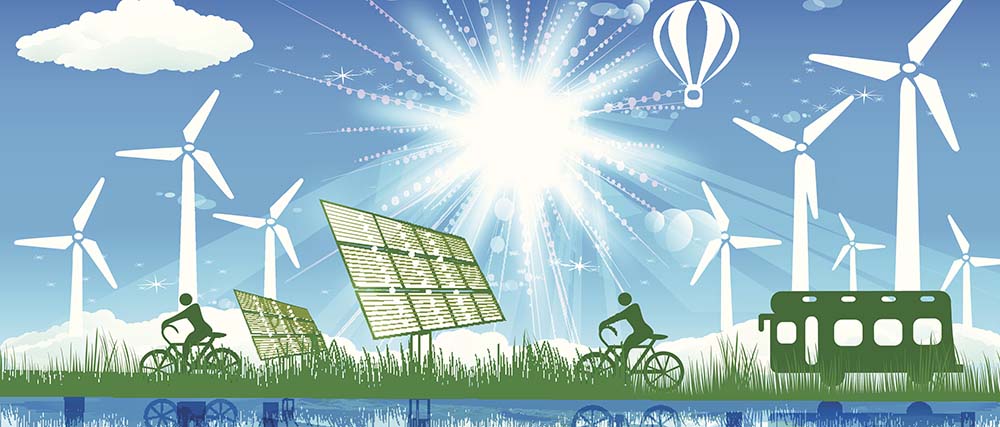
Environmental Conservation

3. The Impact of Renewable Energy Transitions on Cross-Continental Relations

The global shift toward renewable energy is reshaping cross-continental relations, and Europe and the U.S. are at the forefront of this transition. As both regions aim to reduce carbon emissions and accelerate the adoption of renewable energy, their energy policies and strategies are increasingly aligned.

The European Union has set ambitious goals to achieve net-zero emissions by 2050, and many European countries are accelerating their transition to renewable energy sources such as wind, solar, and hydroelectric power. The U.S., under the Biden administration, has also committed to decarbonizing its energy sector and expanding the use of renewable energy. The U.S. rejoined the Paris Agreement in 2021 and has pledged to reduce greenhouse gas emissions by 50% to 52% by 2030.

The transition to renewable energy has significant implications for Europe’s energy security. By shifting away from fossil fuels and increasing the share of renewable energy in the energy mix, Europe aims to reduce its dependence on external suppliers and improve energy resilience. However, this transition also presents challenges, including the need for investment in new infrastructure, grid modernization, and energy storage solutions.

The U.S. plays a crucial role in supporting Europe’s renewable energy transition. American companies are leaders in the development of renewable energy technologies, and U.S.-EU cooperation in research, innovation, and investment is critical to the success of the green energy transition. The U.S. and Europe are collaborating on projects related to offshore wind energy, hydrogen production, and electric vehicle infrastructure, among others.

The growing focus on renewable energy is also creating new opportunities for cross-continental trade and investment. As both regions increase their investments in clean energy technologies, there is a growing market for renewable energy projects, clean technology solutions, and sustainable infrastructure. The U.S. and Europe are becoming more interdependent in their efforts to address climate change and secure their energy futures.

4. Investment Opportunities in the Evolving Energy Landscape

The evolving energy landscape presents numerous investment opportunities for both traditional and renewable energy sectors. As Europe and the U.S. transition to cleaner energy sources, investors can capitalize on a range of emerging sectors and technologies that are shaping the future of energy.

Renewable Energy Projects
One of the most significant areas of opportunity is renewable energy infrastructure. Both Europe and the U.S. are investing heavily in wind, solar, and hydroelectric power, with governments offering incentives and subsidies to encourage the development of clean energy projects. Investors can look to invest in renewable energy companies, including those involved in the construction and operation of wind farms, solar panels, and energy storage systems.

Energy Storage and Grid Modernization
As renewable energy sources such as wind and solar become more prevalent, energy storage technologies will play a critical role in ensuring a stable and reliable energy supply. Battery storage systems, pumped hydro storage, and other innovative technologies are becoming increasingly important for integrating renewable energy into the grid. Companies involved in energy storage and grid modernization are poised for growth as demand for these technologies increases.

Hydrogen Economy
Hydrogen has emerged as a key component of the clean energy transition, with both Europe and the U.S. investing in the development of a hydrogen economy. Green hydrogen, produced using renewable energy sources, has the potential to decarbonize industries such as heavy transport, steel production, and chemicals. Investors can look to companies involved in hydrogen production, distribution, and infrastructure development as part of the emerging hydrogen economy.

Clean Tech and Innovation
The transition to renewable energy is driving innovation in clean technology. From electric vehicles (EVs) to carbon capture and storage (CCS), the clean tech sector offers numerous investment opportunities. Investors can focus on companies that are developing innovative solutions to reduce emissions, improve energy efficiency, and accelerate the adoption of clean energy technologies.

Conclusion

Europe’s energy security challenges and the growing role of the U.S. as an energy partner highlight the changing dynamics of global energy markets. As Europe seeks to reduce its reliance on external suppliers and transition to renewable energy, the U.S. is playing an increasingly important role in providing energy supplies, supporting infrastructure development, and advancing clean energy technologies. The shift toward renewable energy is reshaping cross-continental relations, presenting new opportunities for cooperation, investment, and innovation. As the energy landscape evolves, investors have the chance to capitalize on emerging sectors such as renewable energy, energy storage, hydrogen, and clean tech, while also navigating the challenges of geopolitical risks and market volatility.

Tags: Energy securityEuropeRenewable EnergyUnited States
ShareTweetShare

Related Posts

The New Inflation Puzzle: Why Europe and the United States Are Struggling With Different Price Pressures
Europe and America

The New Economic Landscape of Europe and the United States: How 2025 is Reshaping Growth Models

December 3, 2025
The New Inflation Puzzle: Why Europe and the United States Are Struggling With Different Price Pressures
Europe and America

Transatlantic Trade Shifts: How Europe and the United States Are Redefining Economic Partnerships in 2025

December 3, 2025
The New Inflation Puzzle: Why Europe and the United States Are Struggling With Different Price Pressures
Europe and America

The Energy Transition Divide: How Europe and the United States Are Taking Different Paths Toward a Green Economy

December 3, 2025
The New Inflation Puzzle: Why Europe and the United States Are Struggling With Different Price Pressures
Europe and America

The New Workforce Challenge: How Europe and the United States Are Struggling With Talent Shortages and Productivity Slowdowns

December 3, 2025
The New Inflation Puzzle: Why Europe and the United States Are Struggling With Different Price Pressures
Europe and America

The New Inflation Puzzle: Why Europe and the United States Are Struggling With Different Price Pressures

December 3, 2025
Global

The Global Interest Rate Turning Point: How Central Banks Are Changing Their Policies

November 30, 2025
Load More
Leave Comment
  • Bitcoin on a rollercoaster ride The whole network more than 110,000 people exploded warehouse 2.9 billion yuan evaporation in 24 hours! What’s going on?

    Bitcoin on a rollercoaster ride The whole network more than 110,000 people exploded warehouse 2.9 billion yuan evaporation in 24 hours! What’s going on?

    0 shares
    Share 0 Tweet 0
  • There are always unconvinced want to try! The size of Nvidia’s short position is now comparable to Apple and Tesla combined

    0 shares
    Share 0 Tweet 0
  • The probability is about 75%! Will the G7 fall?

    0 shares
    Share 0 Tweet 0
  • A number of data point to the Japanese government intervention in the currency market after the “5 trillion” still depends on the United States

    0 shares
    Share 0 Tweet 0
  • How far can Tech stocks go to split on Fed expectations?

    0 shares
    Share 0 Tweet 0

Hot

The New Inflation Puzzle: Why Europe and the United States Are Struggling With Different Price Pressures

The New Economic Landscape of Europe and the United States: How 2025 is Reshaping Growth Models

December 3, 2025
The New Inflation Puzzle: Why Europe and the United States Are Struggling With Different Price Pressures

Transatlantic Trade Shifts: How Europe and the United States Are Redefining Economic Partnerships in 2025

December 3, 2025
The New Inflation Puzzle: Why Europe and the United States Are Struggling With Different Price Pressures

The Energy Transition Divide: How Europe and the United States Are Taking Different Paths Toward a Green Economy

December 3, 2025
The New Inflation Puzzle: Why Europe and the United States Are Struggling With Different Price Pressures

The New Workforce Challenge: How Europe and the United States Are Struggling With Talent Shortages and Productivity Slowdowns

December 3, 2025
The New Inflation Puzzle: Why Europe and the United States Are Struggling With Different Price Pressures

The New Inflation Puzzle: Why Europe and the United States Are Struggling With Different Price Pressures

December 3, 2025

The Social Foundations of Economic Stability: How France and Germany Are Managing Inequality, Welfare, and the Future of Work

December 2, 2025

The Energy Transition Challenge: How France and Germany Are Rebuilding Their Economic Power Through Green Transformation

December 2, 2025

France and Germany in a Shifting Global Economy: How Both Countries Are Rebuilding Their Competitiveness

December 2, 2025

Germany’s Economy at a Turning Point: Slow Growth, Industrial Pressure, and the Search for a New Future

December 2, 2025

France’s Economy in a Time of Slow Growth and Social Pressure

December 2, 2025
The New Inflation Puzzle: Why Europe and the United States Are Struggling With Different Price Pressures
Europe and America

The New Economic Landscape of Europe and the United States: How 2025 is Reshaping Growth Models

December 3, 2025
The New Inflation Puzzle: Why Europe and the United States Are Struggling With Different Price Pressures
Europe and America

Transatlantic Trade Shifts: How Europe and the United States Are Redefining Economic Partnerships in 2025

December 3, 2025
The New Inflation Puzzle: Why Europe and the United States Are Struggling With Different Price Pressures
Europe and America

The Energy Transition Divide: How Europe and the United States Are Taking Different Paths Toward a Green Economy

December 3, 2025
The New Inflation Puzzle: Why Europe and the United States Are Struggling With Different Price Pressures
Europe and America

The New Workforce Challenge: How Europe and the United States Are Struggling With Talent Shortages and Productivity Slowdowns

December 3, 2025
wealthtrend

WealthTrend, as the leading financial information service platform in the industry, provides comprehensive, timely and accurate financial information services for investors and financial practitioners by virtue of its deep industry background, clear service purpose and unique characteristics.

Copyright © 2025 Contact: [email protected]

No Result
View All Result
  • Home
  • Top News
  • Global
  • Asia-Pacific
  • Europe
  • viewpoint
  • America
  • Europe and America

Copyright © 2025 Contact: [email protected]

Welcome Back!

Login to your account below

Forgotten Password?

Retrieve your password

Please enter your username or email address to reset your password.

Log In