












wealthtrend
  • Home
  • Top News
  • Global

    The Global Interest Rate Turning Point: How Central Banks Are Changing Their Policies

    The New Shape of Global Trade and Finance: How Supply Chains and Currencies Are Moving

    The Rise of Digital Money:

    Finance in a Time of Geopolitical Tension:

    The New Shape of Work: How Technology Is Changing U.S. Jobs

    The New Forces Driving Global Markets:Technology, Demographics, and the Rise of Emerging Economies

    Global Payments at an Inflection Point: How Infrastructure, Regulation, and Geopolitics Are Rewriting the Future of Money

  • Asia-Pacific
    Japan’s Slow but Steady Recovery: How an Aging Nation Is Searching for New Growth

    Japan and South Korea: Comparative Economic Analysis and Future Prospects

    Japan’s Slow but Steady Recovery: How an Aging Nation Is Searching for New Growth

    South Korea’s Economy in Transition: Challenges, Opportunities, and the Path Ahead

    Japan’s Slow but Steady Recovery: How an Aging Nation Is Searching for New Growth

    South Korea’s Economic Transformation: From Manufacturing to Technology and Services

    Japan’s Slow but Steady Recovery: How an Aging Nation Is Searching for New Growth

    Japan’s Slow but Steady Recovery: How an Aging Nation Is Searching for New Growth

    Japan’s Slow but Steady Recovery: How an Aging Nation Is Searching for New Growth

    The Rise of Asia as the Next Global Financial Center

  • Europe

    The Social Foundations of Economic Stability: How France and Germany Are Managing Inequality, Welfare, and the Future of Work

    The Energy Transition Challenge: How France and Germany Are Rebuilding Their Economic Power Through Green Transformation

    France and Germany in a Shifting Global Economy: How Both Countries Are Rebuilding Their Competitiveness

    Germany’s Economy at a Turning Point: Slow Growth, Industrial Pressure, and the Search for a New Future

    France’s Economy in a Time of Slow Growth and Social Pressure

    The New Monetary Landscape of Europe: How the Eurozone Is Redefining Its Financial Future

  • viewpoint
  • America
  • Europe and America
wealthtrend
  • Home
  • Top News
  • Global

    The Global Interest Rate Turning Point: How Central Banks Are Changing Their Policies

    The New Shape of Global Trade and Finance: How Supply Chains and Currencies Are Moving

    The Rise of Digital Money:

    Finance in a Time of Geopolitical Tension:

    The New Shape of Work: How Technology Is Changing U.S. Jobs

    The New Forces Driving Global Markets:Technology, Demographics, and the Rise of Emerging Economies

    Global Payments at an Inflection Point: How Infrastructure, Regulation, and Geopolitics Are Rewriting the Future of Money

  • Asia-Pacific
    Japan’s Slow but Steady Recovery: How an Aging Nation Is Searching for New Growth

    Japan and South Korea: Comparative Economic Analysis and Future Prospects

    Japan’s Slow but Steady Recovery: How an Aging Nation Is Searching for New Growth

    South Korea’s Economy in Transition: Challenges, Opportunities, and the Path Ahead

    Japan’s Slow but Steady Recovery: How an Aging Nation Is Searching for New Growth

    South Korea’s Economic Transformation: From Manufacturing to Technology and Services

    Japan’s Slow but Steady Recovery: How an Aging Nation Is Searching for New Growth

    Japan’s Slow but Steady Recovery: How an Aging Nation Is Searching for New Growth

    Japan’s Slow but Steady Recovery: How an Aging Nation Is Searching for New Growth

    The Rise of Asia as the Next Global Financial Center

  • Europe

    The Social Foundations of Economic Stability: How France and Germany Are Managing Inequality, Welfare, and the Future of Work

    The Energy Transition Challenge: How France and Germany Are Rebuilding Their Economic Power Through Green Transformation

    France and Germany in a Shifting Global Economy: How Both Countries Are Rebuilding Their Competitiveness

    Germany’s Economy at a Turning Point: Slow Growth, Industrial Pressure, and the Search for a New Future

    France’s Economy in a Time of Slow Growth and Social Pressure

    The New Monetary Landscape of Europe: How the Eurozone Is Redefining Its Financial Future

  • viewpoint
  • America
  • Europe and America
wealthtrend
Home Asia-Pacific

Emerging Economies in the Asia-Pacific: The New Investment Frontier

January 22, 2025
in Asia-Pacific, Financial express
Emerging Economies in the Asia-Pacific: The New Investment Frontier

Introduction

The Asia-Pacific region has long been recognized as a key player in the global economy, with major economies like China, Japan, and India dominating the landscape. However, in recent years, a new wave of emerging markets within this region is drawing significant attention from investors. Countries such as Vietnam, the Philippines, Indonesia, and others are experiencing rapid economic growth, driven by key factors like manufacturing, digital transformation, and increasing integration into global supply chains. As the region’s emerging economies continue to grow and evolve, they present unique opportunities and risks for investors.

This article explores the emerging economies of the Asia-Pacific, focusing on their growth drivers, the risks they face, and the top sectors attracting foreign direct investment (FDI). By understanding these dynamics, investors can better position themselves to tap into the opportunities presented by these rising markets.

1. Overview of Emerging Markets in the Region

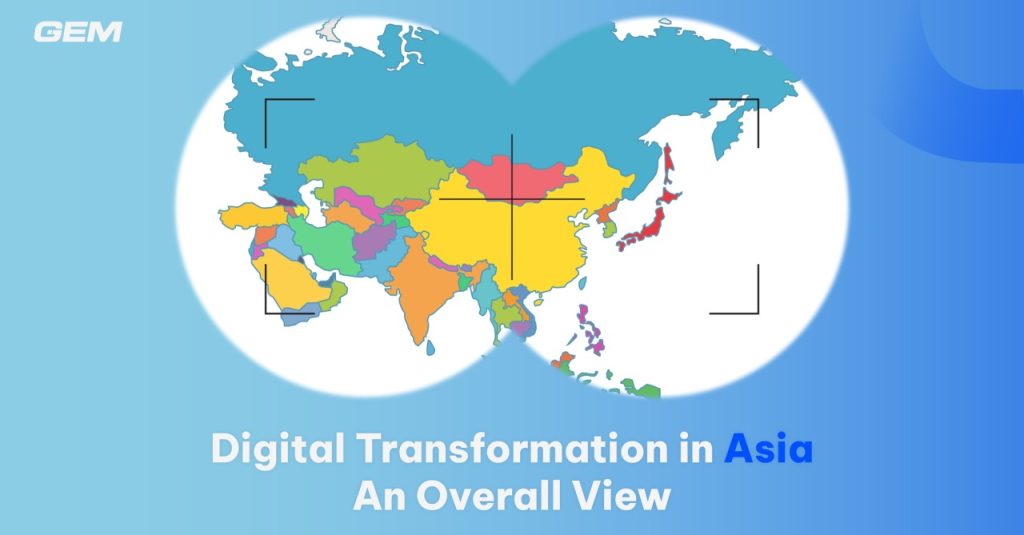
The Asia-Pacific region is home to a wide array of emerging economies that offer significant growth potential. While countries like China and India have dominated the headlines in recent decades, nations like Vietnam, the Philippines, and Indonesia are now catching the eye of international investors. These countries, often characterized by young populations, increasing urbanization, and expanding middle classes, are expected to play a larger role in the global economy in the coming years.

Vietnam

Vietnam is often regarded as one of the fastest-growing economies in Southeast Asia. With a population of over 98 million people and a young workforce, the country has become an attractive destination for foreign investment. In recent years, Vietnam has benefited from its strategic location, low labor costs, and strong trade relationships with both China and the U.S. The country is emerging as a manufacturing hub for sectors such as electronics, textiles, and automotive components, positioning itself as a key player in global supply chains.

Philippines

The Philippines, with a population of over 113 million, has seen significant improvements in economic growth, driven by a strong services sector, particularly in business process outsourcing (BPO). The country also benefits from a growing middle class, which is driving demand for consumer goods and services. While it still faces challenges such as infrastructure gaps and political instability, the Philippines remains an attractive destination for investment due to its strategic location and large, youthful labor force.

Indonesia

Indonesia, the largest economy in Southeast Asia, is another emerging market garnering attention from investors. With a population of over 270 million, the country boasts a large domestic market and abundant natural resources. Indonesia is seeing strong growth in sectors like e-commerce, digital finance, and infrastructure, as the government continues to push forward with its “Made in Indonesia” strategy to develop local industries and reduce reliance on imports.
2. Growth Drivers: Manufacturing and Digital Transformation

Several key factors are fueling the growth of these emerging economies. Manufacturing and digital transformation are two of the most prominent drivers that are reshaping the economic landscape and providing significant opportunities for investors.

Manufacturing

Manufacturing has long been a key driver of economic growth in Asia, and it continues to be a critical component of many emerging economies in the region. Countries like Vietnam and Indonesia have capitalized on their relatively low labor costs to attract foreign manufacturers. These nations are positioning themselves as alternative production hubs to China, as companies look to diversify their supply chains and reduce dependency on a single country.

In Vietnam, for example, the government has actively promoted foreign investment in manufacturing through favorable trade agreements such as the Comprehensive and Progressive Agreement for Trans-Pacific Partnership (CPTPP) and the European Union-Vietnam Free Trade Agreement (EVFTA). These agreements have helped boost exports in electronics, textiles, and other key industries. Similarly, Indonesia’s manufacturing sector has benefitted from government policies aimed at attracting foreign investment, including tax incentives and infrastructure development.

Digital Transformation

Another critical factor driving growth in the Asia-Pacific region is digital transformation. As the internet economy continues to expand, countries like the Philippines, Vietnam, and Indonesia are capitalizing on their growing digital ecosystems. E-commerce, fintech, and digital services are seeing explosive growth, driven by increased internet penetration, mobile device usage, and improved access to digital financial services.

The Philippines, for instance, has become a global leader in business process outsourcing (BPO), a sector that heavily relies on digital infrastructure. With the rise of cloud computing and digital platforms, the country is also witnessing a shift towards higher-value services in sectors like data analytics and software development.

Vietnam, meanwhile, is making strides in technology and innovation, particularly in e-commerce and fintech. The government is actively promoting the digital economy through initiatives such as the Vietnam Digital Transformation Program, which aims to boost digital adoption across industries.

3. Risks: Geopolitical Tensions and Inflation

While the growth prospects in the Asia-Pacific region are exciting, there are several risks that investors must consider. Geopolitical tensions and inflation are two of the most significant challenges facing emerging markets in this region.

Geopolitical Tensions

Geopolitical instability is a key risk factor for many of the emerging economies in the Asia-Pacific. Tensions in the South China Sea, trade disputes between China and the U.S., and territorial disputes between countries like India and Pakistan can have significant implications for trade and investment flows.

For example, the Philippines, which has territorial disputes with China in the South China Sea, could face disruptions in trade and investment if geopolitical tensions escalate. Similarly, Indonesia’s strategic location along key shipping routes makes it vulnerable to any disruptions in global trade, particularly in the event of rising geopolitical tensions.

In addition, as countries like Vietnam and Indonesia continue to expand their manufacturing bases, any trade restrictions or tariffs imposed by major economies like the U.S. or China could create uncertainty and impact economic growth prospects.

Inflation

Inflation is another risk that investors should watch in these emerging markets. As many of these countries continue to grow rapidly, inflationary pressures could arise from rising wages, higher demand for goods and services, and increasing commodity prices. Inflation can erode purchasing power, reduce consumer confidence, and increase the cost of doing business, which could impact investment returns.

For example, inflation in countries like Indonesia and the Philippines has fluctuated due to global commodity price changes and domestic supply chain challenges. Inflationary pressures can also create difficulties for central banks in managing interest rates and maintaining economic stability.

4. Top Sectors Attracting Foreign Direct Investment

Several key sectors are attracting significant foreign direct investment (FDI) in the emerging economies of the Asia-Pacific. These sectors offer strong growth prospects and align with global trends in technology, infrastructure, and consumer demand.

Technology and E-commerce

The digital transformation in the Asia-Pacific region is creating significant opportunities in sectors like e-commerce, fintech, and digital infrastructure. Companies in these sectors are benefiting from increased internet penetration, mobile device usage, and digital financial services. Countries like Vietnam and the Philippines are seeing rapid growth in these areas, attracting investment from both regional and global players.

Manufacturing and Infrastructure

Manufacturing continues to be a major driver of growth in the region, with countries like Vietnam and Indonesia benefiting from their strategic locations and low labor costs. Additionally, infrastructure development, including transportation networks, energy projects, and urban development, remains a critical area for foreign investment, especially as these countries work to improve their logistics and manufacturing capabilities.

Consumer Goods and Services

As the middle class in the Asia-Pacific grows, so does the demand for consumer goods and services. This trend is particularly strong in countries like Indonesia and the Philippines, where rising incomes and urbanization are driving demand for a wide range of products, from electronics to healthcare and education. The consumer sector presents significant opportunities for foreign investors looking to tap into these growing markets.

Conclusion

Emerging economies in the Asia-Pacific are quickly becoming the new investment frontier, offering significant opportunities for growth and diversification. Driven by manufacturing, digital transformation, and a growing consumer base, countries like Vietnam, the Philippines, and Indonesia are attracting foreign investment in key sectors such as technology, infrastructure, and consumer goods. However, investors must be mindful of the risks associated with geopolitical tensions and inflation, which could impact market stability.

By understanding the growth drivers and risks in these emerging markets, investors can position themselves to capitalize on the opportunities presented by the Asia-Pacific’s new economic landscape.


Tags: Asia-Pacific investmenteconomyEmerging economiesVietnam
ShareTweetShare

Related Posts

Japan’s Slow but Steady Recovery: How an Aging Nation Is Searching for New Growth
Asia-Pacific

Japan and South Korea: Comparative Economic Analysis and Future Prospects

December 1, 2025
Japan’s Slow but Steady Recovery: How an Aging Nation Is Searching for New Growth
Asia-Pacific

South Korea’s Economy in Transition: Challenges, Opportunities, and the Path Ahead

December 1, 2025
Japan’s Slow but Steady Recovery: How an Aging Nation Is Searching for New Growth
Asia-Pacific

South Korea’s Economic Transformation: From Manufacturing to Technology and Services

December 1, 2025
Japan’s Slow but Steady Recovery: How an Aging Nation Is Searching for New Growth
Asia-Pacific

December 1, 2025
Japan’s Slow but Steady Recovery: How an Aging Nation Is Searching for New Growth
Asia-Pacific

Japan’s Slow but Steady Recovery: How an Aging Nation Is Searching for New Growth

December 1, 2025
Asia-Pacific

The Rise of Asia as the Next Global Financial Center

November 27, 2025
Load More
Leave Comment
  • Bitcoin on a rollercoaster ride The whole network more than 110,000 people exploded warehouse 2.9 billion yuan evaporation in 24 hours! What’s going on?

    Bitcoin on a rollercoaster ride The whole network more than 110,000 people exploded warehouse 2.9 billion yuan evaporation in 24 hours! What’s going on?

    0 shares
    Share 0 Tweet 0
  • There are always unconvinced want to try! The size of Nvidia’s short position is now comparable to Apple and Tesla combined

    0 shares
    Share 0 Tweet 0
  • The probability is about 75%! Will the G7 fall?

    0 shares
    Share 0 Tweet 0
  • A number of data point to the Japanese government intervention in the currency market after the “5 trillion” still depends on the United States

    0 shares
    Share 0 Tweet 0
  • How far can Tech stocks go to split on Fed expectations?

    0 shares
    Share 0 Tweet 0

Hot

The New Inflation Puzzle: Why Europe and the United States Are Struggling With Different Price Pressures

The New Economic Landscape of Europe and the United States: How 2025 is Reshaping Growth Models

December 3, 2025
The New Inflation Puzzle: Why Europe and the United States Are Struggling With Different Price Pressures

Transatlantic Trade Shifts: How Europe and the United States Are Redefining Economic Partnerships in 2025

December 3, 2025
The New Inflation Puzzle: Why Europe and the United States Are Struggling With Different Price Pressures

The Energy Transition Divide: How Europe and the United States Are Taking Different Paths Toward a Green Economy

December 3, 2025
The New Inflation Puzzle: Why Europe and the United States Are Struggling With Different Price Pressures

The New Workforce Challenge: How Europe and the United States Are Struggling With Talent Shortages and Productivity Slowdowns

December 3, 2025
The New Inflation Puzzle: Why Europe and the United States Are Struggling With Different Price Pressures

The New Inflation Puzzle: Why Europe and the United States Are Struggling With Different Price Pressures

December 3, 2025

The Social Foundations of Economic Stability: How France and Germany Are Managing Inequality, Welfare, and the Future of Work

December 2, 2025

The Energy Transition Challenge: How France and Germany Are Rebuilding Their Economic Power Through Green Transformation

December 2, 2025

France and Germany in a Shifting Global Economy: How Both Countries Are Rebuilding Their Competitiveness

December 2, 2025

Germany’s Economy at a Turning Point: Slow Growth, Industrial Pressure, and the Search for a New Future

December 2, 2025

France’s Economy in a Time of Slow Growth and Social Pressure

December 2, 2025
The New Inflation Puzzle: Why Europe and the United States Are Struggling With Different Price Pressures
Europe and America

The New Economic Landscape of Europe and the United States: How 2025 is Reshaping Growth Models

December 3, 2025
The New Inflation Puzzle: Why Europe and the United States Are Struggling With Different Price Pressures
Europe and America

Transatlantic Trade Shifts: How Europe and the United States Are Redefining Economic Partnerships in 2025

December 3, 2025
The New Inflation Puzzle: Why Europe and the United States Are Struggling With Different Price Pressures
Europe and America

The Energy Transition Divide: How Europe and the United States Are Taking Different Paths Toward a Green Economy

December 3, 2025
The New Inflation Puzzle: Why Europe and the United States Are Struggling With Different Price Pressures
Europe and America

The New Workforce Challenge: How Europe and the United States Are Struggling With Talent Shortages and Productivity Slowdowns

December 3, 2025
wealthtrend

WealthTrend, as the leading financial information service platform in the industry, provides comprehensive, timely and accurate financial information services for investors and financial practitioners by virtue of its deep industry background, clear service purpose and unique characteristics.

Copyright © 2025 Contact: [email protected]

No Result
View All Result
  • Home
  • Top News
  • Global
  • Asia-Pacific
  • Europe
  • viewpoint
  • America
  • Europe and America

Copyright © 2025 Contact: [email protected]

Welcome Back!

Login to your account below

Forgotten Password?

Retrieve your password

Please enter your username or email address to reset your password.

Log In