

















Introduction
Japan is one of the fastest aging nations in the world, with its population steadily increasing in age and declining in number. The country’s demographic trends, characterized by a shrinking workforce and a growing elderly population, are reshaping its economy and financial markets in profound ways. As Japan’s population continues to age, it is facing challenges related to consumer behavior, healthcare needs, pension systems, and investment patterns. These shifts present both risks and opportunities for investors, who must adapt to the changing economic landscape. This article explores the implications of Japan’s aging population for its financial markets, changes in consumer behavior and investment strategies, the rise of healthcare and pension-related financial products, and offers strategies for investors navigating these market dynamics.
1. Japan’s Demographic Trends and Their Impact on Its Economy and Markets
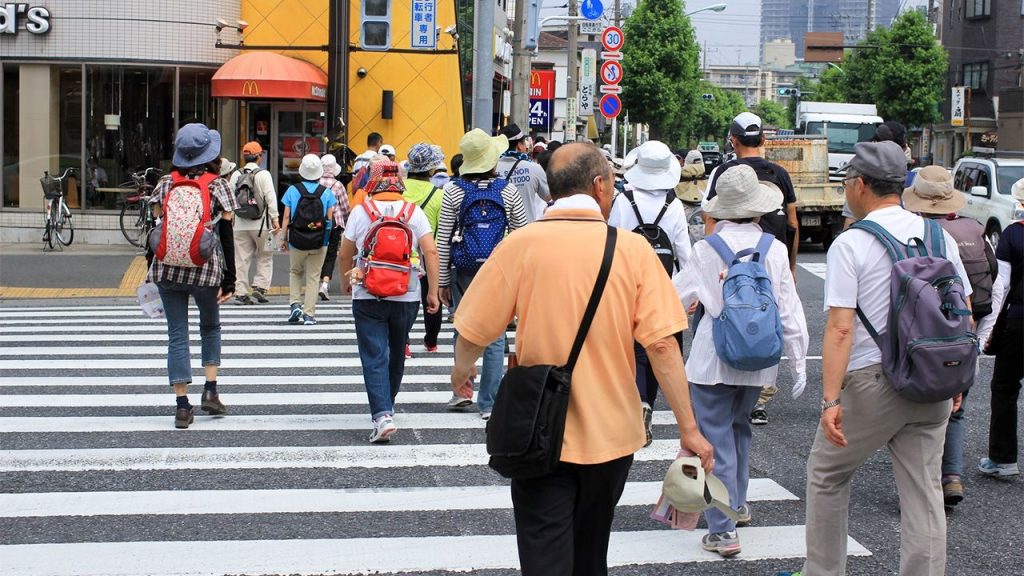
Japan’s aging population has been a long-standing issue, and the country has one of the oldest populations in the world. According to recent statistics, over 28% of Japan’s population is aged 65 or older, a figure that is expected to rise to over 35% by 2050. This demographic shift is largely driven by two factors: longer life expectancy and a low birth rate. Japan’s population has been steadily shrinking, with fewer children being born and fewer young people entering the workforce.
The aging population creates several key challenges for Japan’s economy:
- Shrinking Workforce: As the working-age population declines, Japan faces a labor shortage that places pressure on industries dependent on a young, active workforce. Many sectors, including healthcare, construction, and manufacturing, are experiencing labor shortages that hinder productivity and economic growth. In response, the government has relaxed immigration policies to allow more foreign workers into the country. However, this is not enough to counterbalance the overall population decline.
- Increased Healthcare Costs: Japan’s elderly population places a growing strain on the country’s healthcare system. With a higher prevalence of chronic conditions and age-related diseases, healthcare spending is skyrocketing, and the government faces challenges in funding long-term care services for the elderly. In addition, the country’s pension system, already under pressure, must manage the increased demand for payouts as the population ages.
- Slower Economic Growth: A declining working-age population limits Japan’s economic growth potential. While Japan remains a global economic powerhouse, its GDP growth has slowed considerably in recent decades. Aging demographics exacerbate this issue, as lower consumption and reduced savings rates hinder overall economic expansion. The country’s economic growth is further constrained by the high proportion of older individuals who consume less compared to younger, working populations.
- Shift in Consumer Spending: As the population ages, Japan is seeing a shift in consumer spending patterns. The elderly tend to spend more on healthcare, travel, and leisure, while they spend less on durable goods, housing, and technology. This shift is creating new markets and opportunities, particularly in healthcare-related products and services, senior housing, and retirement planning solutions.
2. Changes in Consumer Behavior and Investment Patterns
As Japan’s demographic landscape evolves, so too does consumer behavior and investment patterns. The aging population is leading to changes in how people save, invest, and spend their money. Several key trends are emerging in response to the aging population:
- Increased Demand for Healthcare and Wellness Products: With the elderly population becoming more prominent, Japan is experiencing a growing demand for healthcare products and services, ranging from pharmaceuticals and medical devices to assisted living facilities and home-care services. There is also increasing interest in wellness products, such as supplements and fitness devices aimed at maintaining health and independence in old age.
- Shift Towards Conservative Investments: Older investors are generally more risk-averse and tend to prioritize income-generating assets like bonds and dividend-paying stocks over higher-risk assets like equities. As Japan’s population ages, there is an increased demand for stable and low-risk investment products. This shift toward more conservative investing strategies is leading to higher demand for fixed-income securities and other safe-haven assets.
- Rise of Financial Products for Retirement Planning: As the burden on Japan’s public pension system grows, many individuals are turning to private retirement savings plans and financial products designed to secure their financial future in old age. Products like annuities, long-term care insurance, and retirement savings funds have become increasingly popular. Financial advisors are focusing on helping older investors manage their retirement portfolios to generate income while mitigating the risks associated with living longer.
- Increased Focus on Estate Planning and Inheritance: The aging population is also leading to a rise in estate planning services, as individuals look to secure their wealth and ensure a smooth transfer of assets to future generations. Inheritance planning has become a major focus, with people seeking tax-efficient ways to pass on their wealth.
- Urbanization and Senior Housing: The trend of aging citizens in urban areas is contributing to an increased demand for senior housing. Japan is facing a housing shortage for elderly citizens who are looking for independent living or assisted living arrangements. Investment in senior housing facilities and developments that cater to the elderly is on the rise as developers target this growing market.
3. The Rise of Healthcare and Pension-Related Financial Products
With an aging population, Japan is seeing a significant rise in healthcare and pension-related financial products designed to meet the growing needs of the elderly. These products include:
- Healthcare and Long-Term Care Insurance: Long-term care insurance has become increasingly popular as more elderly individuals require support for daily living. Japan’s National Long-Term Care Insurance system provides a basic framework, but private insurers have expanded coverage options to meet diverse needs. Private policies are designed to cover gaps in the public system and provide additional services, such as home care or coverage for high-end medical treatments.
- Pension Products and Annuities: With many Japanese citizens uncertain about the future of the national pension system, private pension products, such as annuities, are gaining popularity. Annuities offer a reliable income stream to retirees, providing them with financial security in old age. Investment-linked pension products are also becoming more common as people seek to accumulate wealth for retirement.
- Healthcare and Wellness-Related ETFs and Mutual Funds: Investors are also seeking exposure to the healthcare sector through exchange-traded funds (ETFs) and mutual funds. These financial products allow investors to invest in a diversified portfolio of healthcare and biotechnology companies, which stand to benefit from the aging population and increasing healthcare needs.
4. Strategies for Investors to Navigate This Unique Market Dynamic
The unique demographic trends in Japan create both opportunities and challenges for investors. To navigate this market dynamic effectively, investors must consider the following strategies:
- Diversify with Healthcare and Senior Living Stocks: With the aging population driving demand for healthcare products and senior housing, investors should consider allocating capital to companies in these sectors. Healthcare providers, pharmaceutical companies, medical technology firms, and senior living providers stand to benefit from the demographic shift. These sectors can offer growth opportunities, despite Japan’s overall slower economic growth.
- Focus on Defensive and Income-Producing Assets: The aging population and the shift towards more conservative investing behaviors suggest that defensive stocks, bonds, and other income-producing assets will remain in demand. Investors should look for high-quality bonds, dividend-paying stocks, and real estate investment trusts (REITs) with a strong focus on income generation.
- Invest in Innovation for the Elderly: As Japan’s elderly population grows, so does the demand for innovative products and services that cater to their needs. Technologies that improve elderly care, such as health-monitoring devices, telemedicine, and home robotics, present unique opportunities for growth. Investors can explore startups and established companies that are innovating in the senior care space.
- Consider Global Diversification: While Japan offers opportunities in the healthcare and aging sectors, investors should also consider diversifying their portfolios globally. By spreading investments across multiple regions, investors can mitigate risks associated with Japan’s aging population and economic challenges. Global diversification also provides exposure to faster-growing emerging markets with younger populations.
Conclusion
Japan’s aging population presents a complex set of challenges for its economy and financial markets, but it also opens up new opportunities for savvy investors. Changes in consumer behavior, rising demand for healthcare products, and an increasing focus on retirement planning are reshaping investment patterns. By focusing on the healthcare and senior living sectors, as well as defensive and income-producing assets, investors can position themselves to take advantage of Japan’s demographic trends. As the country continues to face financial pressures due to its aging population, long-term strategies that focus on innovation, income generation, and global diversification will be crucial for navigating this unique market dynamic.