










wealthtrend
  • Home
  • Top News
  • Global

    The Global Interest Rate Turning Point: How Central Banks Are Changing Their Policies

    The New Shape of Global Trade and Finance: How Supply Chains and Currencies Are Moving

    The Rise of Digital Money:

    Finance in a Time of Geopolitical Tension:

    The New Shape of Work: How Technology Is Changing U.S. Jobs

    The New Forces Driving Global Markets:Technology, Demographics, and the Rise of Emerging Economies

    Global Payments at an Inflection Point: How Infrastructure, Regulation, and Geopolitics Are Rewriting the Future of Money

  • Asia-Pacific
    Japan’s Slow but Steady Recovery: How an Aging Nation Is Searching for New Growth

    Japan and South Korea: Comparative Economic Analysis and Future Prospects

    Japan’s Slow but Steady Recovery: How an Aging Nation Is Searching for New Growth

    South Korea’s Economy in Transition: Challenges, Opportunities, and the Path Ahead

    Japan’s Slow but Steady Recovery: How an Aging Nation Is Searching for New Growth

    South Korea’s Economic Transformation: From Manufacturing to Technology and Services

    Japan’s Slow but Steady Recovery: How an Aging Nation Is Searching for New Growth

    Japan’s Slow but Steady Recovery: How an Aging Nation Is Searching for New Growth

    Japan’s Slow but Steady Recovery: How an Aging Nation Is Searching for New Growth

    The Rise of Asia as the Next Global Financial Center

  • Europe

    The Social Foundations of Economic Stability: How France and Germany Are Managing Inequality, Welfare, and the Future of Work

    The Energy Transition Challenge: How France and Germany Are Rebuilding Their Economic Power Through Green Transformation

    France and Germany in a Shifting Global Economy: How Both Countries Are Rebuilding Their Competitiveness

    Germany’s Economy at a Turning Point: Slow Growth, Industrial Pressure, and the Search for a New Future

    France’s Economy in a Time of Slow Growth and Social Pressure

    The New Monetary Landscape of Europe: How the Eurozone Is Redefining Its Financial Future

  • viewpoint
  • America
  • Europe and America
wealthtrend
  • Home
  • Top News
  • Global

    The Global Interest Rate Turning Point: How Central Banks Are Changing Their Policies

    The New Shape of Global Trade and Finance: How Supply Chains and Currencies Are Moving

    The Rise of Digital Money:

    Finance in a Time of Geopolitical Tension:

    The New Shape of Work: How Technology Is Changing U.S. Jobs

    The New Forces Driving Global Markets:Technology, Demographics, and the Rise of Emerging Economies

    Global Payments at an Inflection Point: How Infrastructure, Regulation, and Geopolitics Are Rewriting the Future of Money

  • Asia-Pacific
    Japan’s Slow but Steady Recovery: How an Aging Nation Is Searching for New Growth

    Japan and South Korea: Comparative Economic Analysis and Future Prospects

    Japan’s Slow but Steady Recovery: How an Aging Nation Is Searching for New Growth

    South Korea’s Economy in Transition: Challenges, Opportunities, and the Path Ahead

    Japan’s Slow but Steady Recovery: How an Aging Nation Is Searching for New Growth

    South Korea’s Economic Transformation: From Manufacturing to Technology and Services

    Japan’s Slow but Steady Recovery: How an Aging Nation Is Searching for New Growth

    Japan’s Slow but Steady Recovery: How an Aging Nation Is Searching for New Growth

    Japan’s Slow but Steady Recovery: How an Aging Nation Is Searching for New Growth

    The Rise of Asia as the Next Global Financial Center

  • Europe

    The Social Foundations of Economic Stability: How France and Germany Are Managing Inequality, Welfare, and the Future of Work

    The Energy Transition Challenge: How France and Germany Are Rebuilding Their Economic Power Through Green Transformation

    France and Germany in a Shifting Global Economy: How Both Countries Are Rebuilding Their Competitiveness

    Germany’s Economy at a Turning Point: Slow Growth, Industrial Pressure, and the Search for a New Future

    France’s Economy in a Time of Slow Growth and Social Pressure

    The New Monetary Landscape of Europe: How the Eurozone Is Redefining Its Financial Future

  • viewpoint
  • America
  • Europe and America
wealthtrend
Home America

The Rise of the Dollar: What’s Behind the US Currency’s Global Strength?

January 28, 2025
in America, Financial express
The Rise of the Dollar: What’s Behind the US Currency’s Global Strength?

Introduction: Investigating Why the US Dollar Has Been Strengthening Despite the Challenges of Inflation and the Fed’s Tightening Policies

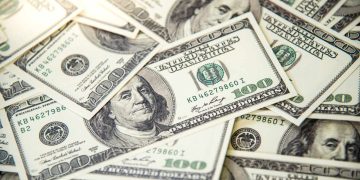
The US dollar has been on an impressive streak of strength in recent years, defying expectations amid rising inflation, tightening monetary policies by the Federal Reserve, and an array of global economic challenges. Traditionally, currency strength is influenced by factors such as interest rates, inflation levels, and market sentiment. However, the recent appreciation of the dollar appears to be driven by a complex interplay of factors that go beyond the typical mechanisms.

While the Federal Reserve’s aggressive interest rate hikes are often cited as a key contributor to the dollar’s rise, geopolitical events, economic uncertainty, and the role of the dollar in global trade and finance have all played significant roles. In this article, we’ll explore why the US dollar has surged in value despite the headwinds it faces, the global factors pushing its demand, and the potential risks and challenges ahead.

Global Factors: How Global Geopolitical Tensions, Such as the Russia-Ukraine War, and Economic Uncertainty Have Pushed Demand for the US Dollar as a Safe Haven

One of the most significant drivers behind the dollar’s strength is the increasing global demand for safe-haven assets. Amid geopolitical tensions, such as the ongoing Russia-Ukraine war, and rising concerns about global economic stability, investors are flocking to assets perceived as safe and stable. The US dollar, as the world’s primary reserve currency, is seen as a haven in times of crisis.

Geopolitical Instability: The conflict between Russia and Ukraine, as well as the broader geopolitical instability it has exacerbated, has led to heightened uncertainty in global markets. As global tensions rise, investors seek stability, often turning to the US dollar because of its status as the world’s most liquid and trusted currency. This shift has driven up demand for the dollar, increasing its value on the global stage.

Energy and Commodity Markets: Another aspect of this phenomenon is the global reliance on the US dollar in commodity trading. Most commodities, including oil and gold, are priced in dollars. This creates a constant demand for the currency, especially in times when geopolitical tensions affect global supply chains. As major players like China and Russia look to diversify away from the dollar, the US currency remains firmly entrenched in the global trade system, creating a structural demand that keeps it strong.

Global Economic Uncertainty: Broader economic uncertainty stemming from challenges like supply chain disruptions, the aftermath of the COVID-19 pandemic, and concerns over stagflation in other major economies also pushes investors to seek refuge in the US dollar. In uncertain times, the US economy—despite its own challenges—remains a pillar of stability in the eyes of global investors.

Interest Rates and the Fed: The Role of the Federal Reserve’s Interest Rate Hikes in Driving the Dollar’s Appreciation

The Federal Reserve has played a pivotal role in the recent strength of the US dollar. In an effort to combat the rising inflation, the Fed has aggressively raised interest rates over the past year. Higher interest rates make US assets, particularly Treasuries, more attractive to investors due to their higher yields. This, in turn, boosts demand for the US dollar, as investors need to purchase dollars to buy US assets.

Interest Rate Differentials: The relative difference between US interest rates and those of other countries plays a key role in the dollar’s strength. As the Fed has raised rates, the yield on US government bonds has risen, attracting foreign investment. In contrast, many other central banks, such as those in Europe and Japan, have maintained ultra-low interest rates, making their currencies less attractive by comparison.

Tightening Policies: The Fed’s tightening policies—characterized by rate hikes and a reduction in its balance sheet—are designed to curb inflation but also have the effect of strengthening the dollar. Higher rates lead to an inflow of capital into US financial markets, supporting the dollar’s value. The US dollar index (DXY), which measures the dollar’s value against a basket of other major currencies, has been consistently strong as a result.

Inflation and Fed Policy: While inflation in the US remains stubbornly high, the Fed’s aggressive approach to controlling it by raising rates further strengthens the currency. As investors anticipate tighter policy for longer periods, the dollar continues to benefit from the higher-yielding environment. This contrasts with other major central banks, which have been more cautious in raising rates.
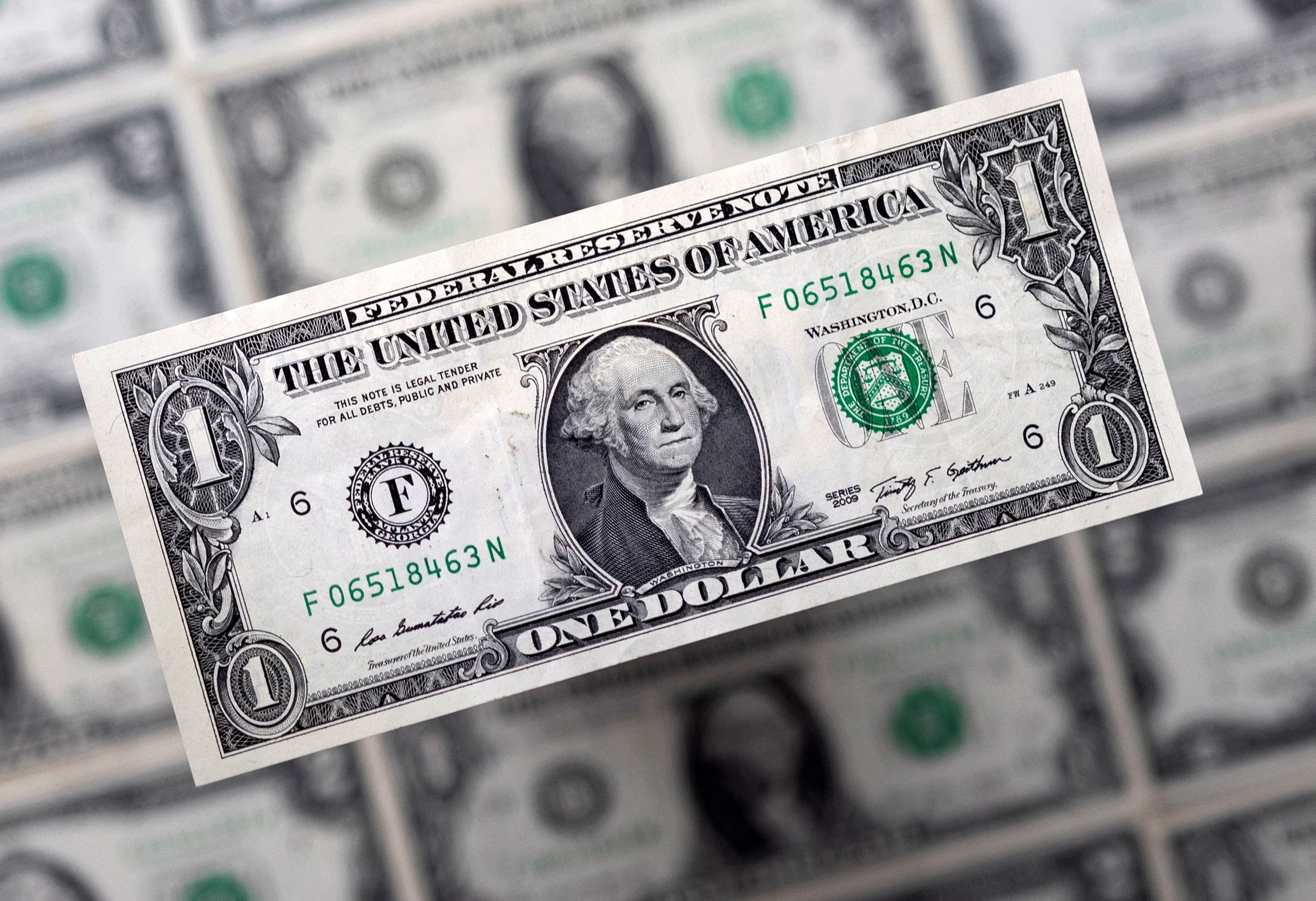
Impact on Trade: How a Stronger Dollar Affects US Exports, Corporate Earnings, and Trade Balances, and Its Potential Risks for Emerging Markets

While the dollar’s strength has been a boon for US investors and global markets, it comes with several implications for the US economy and trade dynamics.

US Exports: A stronger dollar makes US goods more expensive for foreign buyers, leading to potential reductions in exports. This can create a headwind for US manufacturers, particularly those in industries like technology, automotive, and agriculture, which rely on international sales. As the dollar strengthens, US exporters must contend with reduced demand for their products abroad, which could potentially hurt corporate earnings and economic growth.

Corporate Earnings: Many of the largest US companies generate a significant portion of their revenue from overseas markets. A stronger dollar means that their foreign earnings are worth less when converted back into dollars, negatively impacting their bottom lines. This is particularly evident in multinational corporations like Apple, Microsoft, and Coca-Cola, whose earnings are highly sensitive to currency fluctuations.

Trade Balances: The US trade deficit is likely to widen further with a stronger dollar. As US imports become cheaper and exports become more expensive, the trade imbalance grows. This could have long-term consequences for the US economy, particularly if the stronger dollar reduces the global competitiveness of US goods and services.

Risks for Emerging Markets: One of the most significant risks of a stronger dollar is its impact on emerging markets. Many developing countries have dollar-denominated debt, and a stronger dollar increases the cost of servicing these debts. As a result, countries like Brazil, Turkey, and South Africa could face increased financial strain, potentially leading to debt defaults or financial crises. A strong dollar can exacerbate capital outflows, raising borrowing costs for emerging economies and destabilizing their financial systems.

Outlook: Will the Dollar Continue to Strengthen, or Is It Due for a Correction as Global Economic Conditions Change?

The outlook for the US dollar’s strength remains uncertain, but several factors will influence its future trajectory:

Monetary Policy Shifts: While the Fed’s tightening policies have driven the dollar higher, there is always the possibility of a policy pivot if inflation shows signs of cooling or if economic growth starts to slow significantly. If the Fed pauses or reverses its rate hikes, it could lead to a weaker dollar as investor demand for US assets diminishes.

Geopolitical Events: The strength of the dollar is also closely tied to global geopolitical conditions. If tensions in Europe or the Middle East escalate, the demand for the dollar as a safe-haven currency could continue to drive its value higher. Conversely, any resolution in major geopolitical conflicts, such as the Russia-Ukraine war, could lead to a decrease in safe-haven demand and a weakening of the dollar.

Global Economic Recovery: If the global economy recovers more strongly than expected, particularly in regions like Europe and Asia, the demand for the US dollar could weaken. As other economies strengthen, their currencies could appreciate against the dollar, leading to a more balanced global exchange rate environment.

Emerging Market Stress: As long as the dollar remains strong, emerging markets will face pressure, particularly those with high levels of dollar-denominated debt. If these economies struggle to manage their debts, this could have a knock-on effect on the dollar’s strength, as investors seek more stability in other assets.

In conclusion, while the US dollar’s strength has been largely supported by geopolitical tensions, interest rate hikes, and safe-haven demand, it’s unlikely to remain impervious to broader economic and geopolitical shifts. A correction in the dollar could come if inflation slows, the Fed reverses its policies, or global economic conditions improve, reducing the need for the dollar as a refuge. However, for now, the US dollar continues to reign as the dominant global currency, supported by a combination of economic policies, market forces, and geopolitical uncertainty.

Tags: Currency StrengthFederal ReserveGeopolitical TensionsUS dollar
ShareTweetShare

Related Posts

The New Shape of Work: How Technology Is Changing U.S. Jobs
America

The Changing Shape of the U.S. Labor Market in 2025

November 29, 2025
The New Shape of Work: How Technology Is Changing U.S. Jobs
America

How American Consumers Are Changing in 2025

November 29, 2025
The New Shape of Work: How Technology Is Changing U.S. Jobs
America

The Changing Landscape of U.S. Financial Markets in 2025

November 29, 2025
The New Shape of Work: How Technology Is Changing U.S. Jobs
America

The New Shape of Work: How Technology Is Changing U.S. Jobs

November 29, 2025
America

The Uneven Recovery: Why Some American Workers Are Doing Better Than Others”

November 29, 2025
Can Rising ROE in Japan and Australia’s Core Corporates Sustain Local Market Rallies?
America

The Future of the Digital Dollar: How a U.S. CBDC Could Reshape Global Finance and Domestic Monetary Power

November 24, 2025
Load More
Leave Comment
  • Bitcoin on a rollercoaster ride The whole network more than 110,000 people exploded warehouse 2.9 billion yuan evaporation in 24 hours! What’s going on?

    Bitcoin on a rollercoaster ride The whole network more than 110,000 people exploded warehouse 2.9 billion yuan evaporation in 24 hours! What’s going on?

    0 shares
    Share 0 Tweet 0
  • There are always unconvinced want to try! The size of Nvidia’s short position is now comparable to Apple and Tesla combined

    0 shares
    Share 0 Tweet 0
  • The probability is about 75%! Will the G7 fall?

    0 shares
    Share 0 Tweet 0
  • A number of data point to the Japanese government intervention in the currency market after the “5 trillion” still depends on the United States

    0 shares
    Share 0 Tweet 0
  • How far can Tech stocks go to split on Fed expectations?

    0 shares
    Share 0 Tweet 0

Hot

The New Inflation Puzzle: Why Europe and the United States Are Struggling With Different Price Pressures

The New Economic Landscape of Europe and the United States: How 2025 is Reshaping Growth Models

December 3, 2025
The New Inflation Puzzle: Why Europe and the United States Are Struggling With Different Price Pressures

Transatlantic Trade Shifts: How Europe and the United States Are Redefining Economic Partnerships in 2025

December 3, 2025
The New Inflation Puzzle: Why Europe and the United States Are Struggling With Different Price Pressures

The Energy Transition Divide: How Europe and the United States Are Taking Different Paths Toward a Green Economy

December 3, 2025
The New Inflation Puzzle: Why Europe and the United States Are Struggling With Different Price Pressures

The New Workforce Challenge: How Europe and the United States Are Struggling With Talent Shortages and Productivity Slowdowns

December 3, 2025
The New Inflation Puzzle: Why Europe and the United States Are Struggling With Different Price Pressures

The New Inflation Puzzle: Why Europe and the United States Are Struggling With Different Price Pressures

December 3, 2025

The Social Foundations of Economic Stability: How France and Germany Are Managing Inequality, Welfare, and the Future of Work

December 2, 2025

The Energy Transition Challenge: How France and Germany Are Rebuilding Their Economic Power Through Green Transformation

December 2, 2025

France and Germany in a Shifting Global Economy: How Both Countries Are Rebuilding Their Competitiveness

December 2, 2025

Germany’s Economy at a Turning Point: Slow Growth, Industrial Pressure, and the Search for a New Future

December 2, 2025

France’s Economy in a Time of Slow Growth and Social Pressure

December 2, 2025
The New Inflation Puzzle: Why Europe and the United States Are Struggling With Different Price Pressures
Europe and America

The New Economic Landscape of Europe and the United States: How 2025 is Reshaping Growth Models

December 3, 2025
The New Inflation Puzzle: Why Europe and the United States Are Struggling With Different Price Pressures
Europe and America

Transatlantic Trade Shifts: How Europe and the United States Are Redefining Economic Partnerships in 2025

December 3, 2025
The New Inflation Puzzle: Why Europe and the United States Are Struggling With Different Price Pressures
Europe and America

The Energy Transition Divide: How Europe and the United States Are Taking Different Paths Toward a Green Economy

December 3, 2025
The New Inflation Puzzle: Why Europe and the United States Are Struggling With Different Price Pressures
Europe and America

The New Workforce Challenge: How Europe and the United States Are Struggling With Talent Shortages and Productivity Slowdowns

December 3, 2025
wealthtrend

WealthTrend, as the leading financial information service platform in the industry, provides comprehensive, timely and accurate financial information services for investors and financial practitioners by virtue of its deep industry background, clear service purpose and unique characteristics.

Copyright © 2025 Contact: [email protected]

No Result
View All Result
  • Home
  • Top News
  • Global
  • Asia-Pacific
  • Europe
  • viewpoint
  • America
  • Europe and America

Copyright © 2025 Contact: [email protected]

Welcome Back!

Login to your account below

Forgotten Password?

Retrieve your password

Please enter your username or email address to reset your password.

Log In