

















The Asia-Pacific (APAC) region has long been the engine of global economic growth, with rapid development in emerging economies, particularly China and India, alongside strong growth in established markets like Japan and South Korea. However, in recent years, the region has experienced a significant slowdown in economic growth, influenced by a variety of factors including the global pandemic, geopolitical tensions, and structural economic challenges.
This article examines the factors contributing to the slowdown in economic growth across the Asia-Pacific region, explores the potential risks and challenges in the coming years, and considers the key strategies that governments, businesses, and other stakeholders can employ to restore growth momentum and ensure sustainable long-term development.
1. Understanding the Factors Behind the Economic Slowdown
The APAC region’s economic slowdown is the result of a combination of external and internal factors, many of which have been exacerbated by the COVID-19 pandemic. While the region was able to recover more quickly than other parts of the world, the recovery has been uneven and fragile. Let’s break down the key contributors to the slowdown:
The Impact of the COVID-19 Pandemic
The global pandemic had a profound impact on the Asia-Pacific region, disrupting supply chains, reducing consumer demand, and creating widespread uncertainty in financial markets. The APAC region, particularly its manufacturing hubs like China, South Korea, and Vietnam, faced significant challenges in maintaining production and export levels due to lockdowns, social distancing measures, and disruptions in the global movement of goods.
While some economies in the region managed to bounce back quickly from the initial shock, others are still grappling with the long-term consequences of the pandemic. For example, countries like India and Indonesia have faced a slower recovery, with rising infection rates and logistical challenges delaying economic recovery efforts.
Supply Chain Disruptions
The COVID-19 pandemic underscored the vulnerabilities in global supply chains, which were particularly felt in Asia. The disruption to the supply of raw materials, intermediate goods, and finished products has been significant for many APAC countries, especially those heavily reliant on manufacturing and exports. Countries such as China and Japan have faced challenges in maintaining the flow of goods, which affected industries ranging from electronics to automotive manufacturing.
The ongoing geopolitical tensions, such as the U.S.-China trade war and the semiconductor shortage, have only added to the region’s economic challenges. As countries seek to de-risk their supply chains and become more self-sufficient, the APAC region faces the complex challenge of reshaping its global supply chain strategies while ensuring competitiveness.
Geopolitical Tensions and Regional Instability
Geopolitical tensions in the APAC region are another critical factor impacting economic growth. The trade war between the U.S. and China has had ripple effects across the region, with many countries finding themselves caught in the crossfire of rising tariffs, trade barriers, and political tensions. The uncertainties around U.S.-China relations, combined with ongoing territorial disputes in the South China Sea and North Korean provocations, have created an environment of political instability that makes it difficult for businesses to plan for long-term growth.
Furthermore, tensions between major regional powers, such as India and China, have complicated trade and investment flows. In some cases, these political uncertainties have led to reduced foreign direct investment (FDI) and discouraged global firms from expanding their operations in the region.
Demographic Challenges
Another key challenge facing many APAC economies is demographic change. Countries like Japan, China, and South Korea are experiencing rapid population aging, which places increased pressure on social welfare systems, healthcare infrastructure, and labor markets. In addition to the demographic shifts within established economies, the aging population in many of the region’s high-growth countries, like China, also poses long-term challenges to maintaining productivity levels.
In contrast, while countries such as India have young and growing populations, they also face challenges related to employment, education, and healthcare, which hinder their ability to fully leverage the potential of their demographic dividend.
Environmental and Climate Change Issues
As the Asia-Pacific region continues to industrialize and urbanize, environmental and climate change concerns are becoming increasingly important. Extreme weather events, rising sea levels, and shifting agricultural patterns pose direct threats to the region’s economic stability, particularly in countries that rely heavily on agriculture, such as India and Southeast Asian nations. The need to transition to greener, more sustainable energy sources and to mitigate climate-related risks will require significant investments and long-term planning.
2. Strategies for Restoring Economic Growth Momentum
While the Asia-Pacific region faces significant challenges, there are a number of strategies that can help restore growth and ensure sustainable development. To revive economic momentum, governments, businesses, and other stakeholders will need to focus on policies and initiatives that promote innovation, improve resilience, and foster long-term economic stability.
1. Stimulating Innovation and Technological Advancement
One of the most effective ways to boost economic growth in the Asia-Pacific region is to invest in innovation and technology. The COVID-19 pandemic has highlighted the critical importance of digital technologies, e-commerce, and automation in maintaining business operations and supply chains. By continuing to invest in digital transformation, artificial intelligence (AI), and advanced manufacturing technologies, countries in the APAC region can diversify their economies and reduce reliance on traditional industries.
Countries like Singapore, South Korea, and Japan are already leading the charge in digital innovation and technology-driven industries. Other countries in the region can follow suit by creating policies that foster technological development, support startups and entrepreneurs, and invest in research and development (R&D). In particular, increasing collaboration between the public and private sectors can help develop new technologies, foster innovation hubs, and create new industries that will drive economic growth.

2. Diversifying and Strengthening Supply Chains
In the aftermath of the pandemic and ongoing geopolitical tensions, many APAC countries are recognizing the need to diversify and strengthen their supply chains. While China has traditionally been the “world’s factory,” there is a growing recognition that over-dependence on a single country or region is a vulnerability.
Governments and businesses can work together to diversify manufacturing bases across the region. Countries like India, Vietnam, and Indonesia are already benefiting from the shifting of supply chains as companies seek to reduce their exposure to risks in China. By focusing on building more resilient and flexible supply chains, APAC economies can ensure continued access to critical goods and minimize the impact of future disruptions.
3. Addressing Demographic Challenges
The aging population in many APAC countries, particularly in East Asia, requires urgent action to ensure that economic growth is not undermined by a shrinking labor force. Countries such as Japan, South Korea, and China will need to adopt policies to increase labor force participation rates among older workers. This could include raising the retirement age, offering incentives for older workers to remain in the workforce, and improving workplace conditions for seniors.
Moreover, immigration policies will need to be re-evaluated to address labor shortages, particularly in industries that rely on younger, foreign workers. Countries such as Australia, Singapore, and New Zealand have already started to implement more open immigration policies to address demographic imbalances, which can be extended to other APAC nations facing similar challenges.
On the other hand, countries with younger populations, such as India and Indonesia, can capitalize on their demographic advantage by investing in education and vocational training programs that help young people acquire the skills needed to thrive in the modern economy. Fostering entrepreneurship and supporting small and medium-sized enterprises (SMEs) will also be key to creating more job opportunities for young people.
4. Transitioning to a Green Economy
Given the growing environmental challenges and the global push for sustainability, it is essential that APAC countries invest in a green and sustainable economy. This includes adopting renewable energy solutions, promoting energy efficiency, and reducing carbon emissions. The Asia-Pacific region, with its abundant natural resources, has a tremendous opportunity to lead in renewable energy development, including solar, wind, and hydroelectric power.
At the same time, governments should promote sustainable agriculture, waste management, and climate adaptation strategies to mitigate the negative effects of climate change. Green technologies, such as electric vehicles (EVs) and energy-efficient buildings, will not only help reduce environmental impacts but also create new business opportunities and jobs.
5. Enhancing Regional Cooperation and Integration
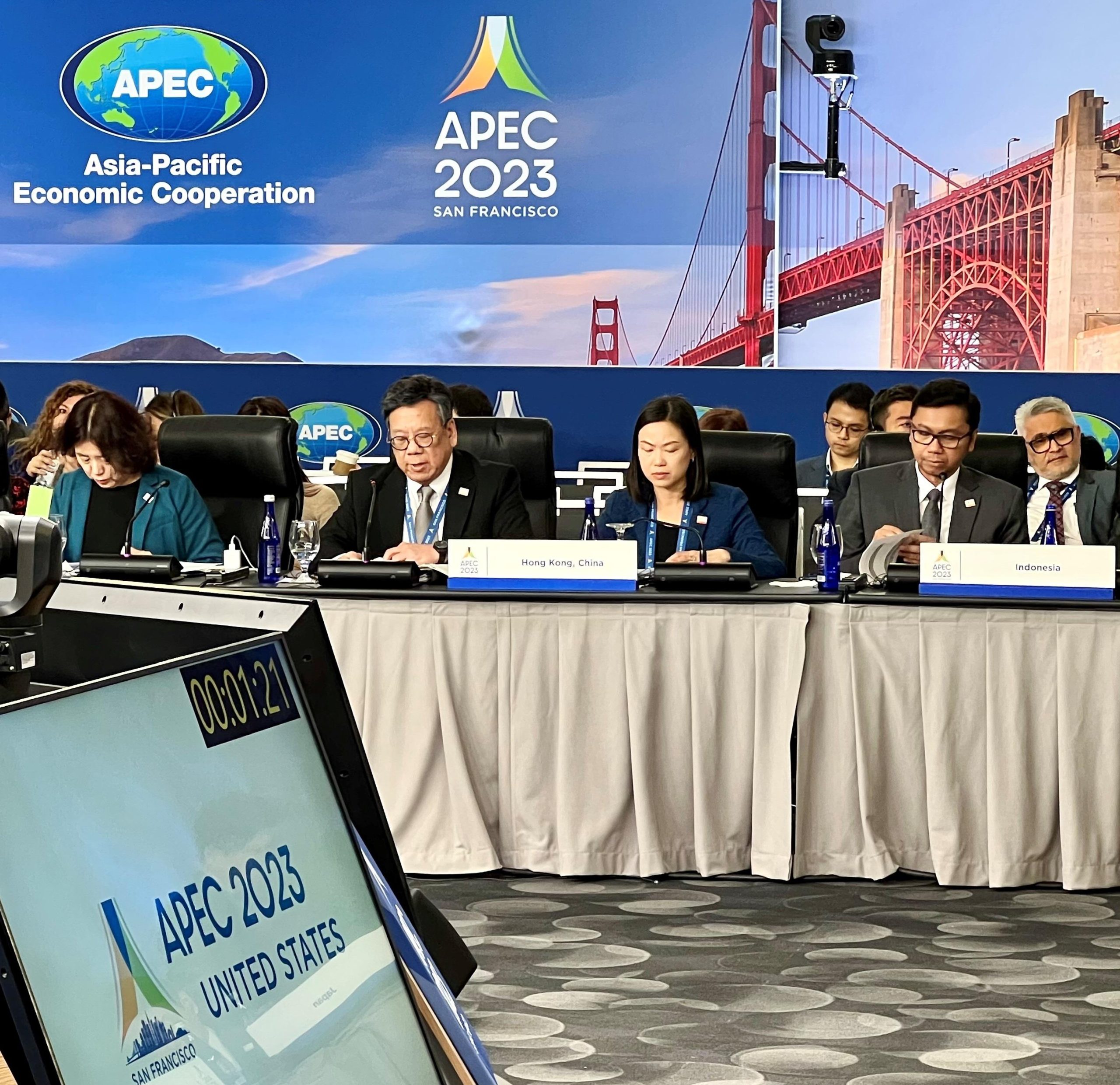
The Asia-Pacific region has a long history of regional cooperation through initiatives such as the Asia-Pacific Economic Cooperation (APEC) and the Regional Comprehensive Economic Partnership (RCEP). Moving forward, strengthening regional integration and fostering collaboration among APAC countries will be essential for driving economic recovery and growth.
Regional cooperation can enhance trade, investment, and technology transfer, leading to more robust economic growth across the region. The successful implementation of trade agreements like RCEP, which encompasses China, Japan, South Korea, and many Southeast Asian nations, can help stimulate trade and reduce barriers to economic cooperation.
3. Conclusion: Navigating a New Economic Era
The Asia-Pacific region has faced significant economic headwinds in recent years, but with the right strategies in place, the region can regain its growth momentum. By investing in innovation, diversifying supply chains, addressing demographic challenges, transitioning to a green economy, and enhancing regional cooperation, APAC countries can ensure a resilient and sustainable economic future.
While the path ahead may be complex and uncertain, the Asia-Pacific region’s history of adaptability and resilience offers hope for overcoming these challenges. By harnessing the potential of emerging technologies, fostering inclusive growth, and responding to environmental and demographic shifts, the APAC region can continue to play a central role in the global economy in the coming decades.