











wealthtrend
  • Home
  • Top News
  • Global

    The Global Interest Rate Turning Point: How Central Banks Are Changing Their Policies

    The New Shape of Global Trade and Finance: How Supply Chains and Currencies Are Moving

    The Rise of Digital Money:

    Finance in a Time of Geopolitical Tension:

    The New Shape of Work: How Technology Is Changing U.S. Jobs

    The New Forces Driving Global Markets:Technology, Demographics, and the Rise of Emerging Economies

    Global Payments at an Inflection Point: How Infrastructure, Regulation, and Geopolitics Are Rewriting the Future of Money

  • Asia-Pacific
    Japan’s Slow but Steady Recovery: How an Aging Nation Is Searching for New Growth

    Japan and South Korea: Comparative Economic Analysis and Future Prospects

    Japan’s Slow but Steady Recovery: How an Aging Nation Is Searching for New Growth

    South Korea’s Economy in Transition: Challenges, Opportunities, and the Path Ahead

    Japan’s Slow but Steady Recovery: How an Aging Nation Is Searching for New Growth

    South Korea’s Economic Transformation: From Manufacturing to Technology and Services

    Japan’s Slow but Steady Recovery: How an Aging Nation Is Searching for New Growth

    Japan’s Slow but Steady Recovery: How an Aging Nation Is Searching for New Growth

    Japan’s Slow but Steady Recovery: How an Aging Nation Is Searching for New Growth

    The Rise of Asia as the Next Global Financial Center

  • Europe

    The Social Foundations of Economic Stability: How France and Germany Are Managing Inequality, Welfare, and the Future of Work

    The Energy Transition Challenge: How France and Germany Are Rebuilding Their Economic Power Through Green Transformation

    France and Germany in a Shifting Global Economy: How Both Countries Are Rebuilding Their Competitiveness

    Germany’s Economy at a Turning Point: Slow Growth, Industrial Pressure, and the Search for a New Future

    France’s Economy in a Time of Slow Growth and Social Pressure

    The New Monetary Landscape of Europe: How the Eurozone Is Redefining Its Financial Future

  • viewpoint
  • America
  • Europe and America
wealthtrend
  • Home
  • Top News
  • Global

    The Global Interest Rate Turning Point: How Central Banks Are Changing Their Policies

    The New Shape of Global Trade and Finance: How Supply Chains and Currencies Are Moving

    The Rise of Digital Money:

    Finance in a Time of Geopolitical Tension:

    The New Shape of Work: How Technology Is Changing U.S. Jobs

    The New Forces Driving Global Markets:Technology, Demographics, and the Rise of Emerging Economies

    Global Payments at an Inflection Point: How Infrastructure, Regulation, and Geopolitics Are Rewriting the Future of Money

  • Asia-Pacific
    Japan’s Slow but Steady Recovery: How an Aging Nation Is Searching for New Growth

    Japan and South Korea: Comparative Economic Analysis and Future Prospects

    Japan’s Slow but Steady Recovery: How an Aging Nation Is Searching for New Growth

    South Korea’s Economy in Transition: Challenges, Opportunities, and the Path Ahead

    Japan’s Slow but Steady Recovery: How an Aging Nation Is Searching for New Growth

    South Korea’s Economic Transformation: From Manufacturing to Technology and Services

    Japan’s Slow but Steady Recovery: How an Aging Nation Is Searching for New Growth

    Japan’s Slow but Steady Recovery: How an Aging Nation Is Searching for New Growth

    Japan’s Slow but Steady Recovery: How an Aging Nation Is Searching for New Growth

    The Rise of Asia as the Next Global Financial Center

  • Europe

    The Social Foundations of Economic Stability: How France and Germany Are Managing Inequality, Welfare, and the Future of Work

    The Energy Transition Challenge: How France and Germany Are Rebuilding Their Economic Power Through Green Transformation

    France and Germany in a Shifting Global Economy: How Both Countries Are Rebuilding Their Competitiveness

    Germany’s Economy at a Turning Point: Slow Growth, Industrial Pressure, and the Search for a New Future

    France’s Economy in a Time of Slow Growth and Social Pressure

    The New Monetary Landscape of Europe: How the Eurozone Is Redefining Its Financial Future

  • viewpoint
  • America
  • Europe and America
wealthtrend
Home Top News

What Major Events in Today’s Headline Financial News Are Impacting the Market?

March 28, 2025
in Top News
What Major Events in Today’s Headline Financial News Are Impacting the Market?

Introduction

In the fast-paced world of global finance, keeping track of headline news is critical for investors, analysts, and policymakers alike. News in the financial world can have profound impacts on stock markets, currencies, commodities, and even the broader economy. Today, we will examine some of the key events currently making headlines and analyze their potential effects on markets worldwide. From policy changes to corporate earnings reports and geopolitical developments, understanding these events is crucial for anyone involved in or concerned with financial markets.

Section 1: Global Economic Indicators – A Snapshot of Today’s Market Sentiment

One of the first things financial professionals look at when the market opens is the latest economic data. This can include GDP reports, unemployment numbers, inflation figures, and consumer confidence indices. Each of these metrics helps to paint a picture of the health of the economy, influencing the decisions of central banks, investors, and businesses.

Impact of Economic Data on Financial Markets

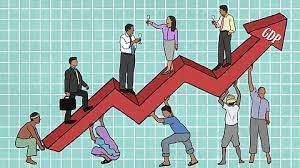
  • GDP Growth: Strong GDP growth typically signals a healthy economy, which can lead to bullish stock market behavior. On the other hand, disappointing GDP figures might prompt investors to reassess their portfolios and move to safer assets like bonds or gold.
  • Unemployment Rates: A decrease in unemployment is seen as a positive sign for the economy, suggesting that businesses are hiring and consumer spending will likely increase. However, if unemployment rates remain high, it can signal economic stagnation.
  • Inflation: Inflation is a double-edged sword. While moderate inflation is a sign of economic growth, runaway inflation can erode purchasing power and force central banks to hike interest rates, which could depress stock prices and increase the cost of borrowing.

Case Study: Today’s Economic Reports

  • Recently, reports on inflation and unemployment figures have set the tone for markets. Let’s analyze how these numbers are playing out and what they might suggest for upcoming market movements.

Section 2: Central Bank Policies – How Interest Rates and Monetary Policy Shape the Market

Central banks, particularly the Federal Reserve (Fed) in the U.S. and the European Central Bank (ECB) in Europe, play a pivotal role in shaping financial markets. By adjusting interest rates and implementing other monetary policies, central banks influence everything from consumer spending to business investment and currency values.

Recent Developments in Central Bank Policies

  • The Federal Reserve has been under scrutiny due to its recent rate hikes aimed at curbing inflation. Today’s news may reveal further actions or statements from the Fed, influencing market expectations for future rate decisions.
  • Similarly, the ECB has also been adjusting its monetary stance to tackle inflation in the Eurozone. The impact of these decisions is felt not only in Europe but globally, as capital flows adjust in response to differences in interest rates across regions.

Market Impact of Central Bank Actions

  • Interest Rate Hikes: When central banks raise rates, it increases the cost of borrowing, which can slow down economic growth and depress stock prices. Conversely, rate cuts can boost the market by making borrowing cheaper.
  • Quantitative Easing (QE): The use of QE by central banks involves injecting liquidity into the financial system, which typically supports asset prices. The removal of QE, however, can have the opposite effect.

Section 3: Geopolitical Events – Navigating Uncertainty in a Volatile World

Geopolitical events can cause dramatic fluctuations in the financial markets. Wars, natural disasters, and even political instability can alter the landscape of global finance in the blink of an eye. Understanding how these events affect markets is crucial for anticipating potential risks.

Key Geopolitical Events Shaping Market Movements Today

  • U.S.-China Trade Relations: News of ongoing or new trade tariffs or diplomatic tensions between these two economic giants can send shockwaves through global markets. Markets are particularly sensitive to the effects on supply chains, commodities, and technology stocks.
  • Russia-Ukraine Conflict: The ongoing war between Russia and Ukraine continues to have far-reaching implications for energy prices, agricultural markets, and the broader European economy.
  • Political Uncertainty in Emerging Markets: In countries like Brazil, Argentina, and Turkey, political instability often leads to volatile market movements, especially in emerging market debt and local equities.

Understanding the Effects on Financial Markets

  • Commodity Prices: Geopolitical events often lead to shifts in commodity prices, especially oil and natural gas. For example, tensions in the Middle East often drive up oil prices, which impacts global inflation and consumer spending.
  • Currency Volatility: Political instability or policy shifts in one country can lead to volatility in exchange rates, particularly in emerging market currencies.

Section 4: Corporate Earnings – The Lifeblood of the Stock Market

Corporate earnings reports are a critical part of the financial news cycle, as they provide insights into how well companies are performing and how investors should value their stocks. In the current market environment, investors are closely watching earnings reports for signs of strength or weakness.

What’s Driving Earnings Reports Today?

  • Tech Sector Earnings: Technology stocks have been some of the most volatile in recent years. Major players like Apple, Microsoft, and Tesla are reporting quarterly earnings that can significantly influence market sentiment.
  • Bank Earnings: The financial sector is also crucial to watch, especially with rising interest rates. Banks generally benefit from higher rates, but if they face loan defaults or weak consumer spending, their earnings could miss expectations.

Impact of Earnings on the Market

  • Positive Earnings Surprises: When a company reports earnings that exceed analysts’ expectations, it often results in a spike in its stock price, positively influencing market indices.
  • Earnings Misses: On the other hand, if companies fail to meet earnings estimates, it can lead to a decline in stock prices, creating ripple effects throughout the sector and even the broader market.

Section 5: Technology and Innovation – How New Developments Are Reshaping the Market

The tech sector remains a driving force in today’s financial landscape. Innovations in artificial intelligence, cloud computing, and biotechnology are just some of the areas that are attracting investment and shaping market movements.

Tech News Impacting Today’s Markets

  • AI and Automation: As advancements in artificial intelligence continue to unfold, investors are keenly watching how companies in industries like automotive, finance, and healthcare are adapting to these changes.
  • Cryptocurrency Volatility: Bitcoin, Ethereum, and other cryptocurrencies are major market movers. Today’s headlines regarding government regulation or institutional adoption of cryptocurrencies can have significant implications for digital assets and traditional financial markets alike.

Effects on Market Sentiment

  • Tech Stock Performance: Stocks in high-growth sectors like tech are particularly sensitive to changes in investor sentiment. Positive news about breakthroughs in AI or blockchain technology could send tech stocks soaring, while regulatory crackdowns could lead to sharp declines.
  • Investor Sentiment Toward Innovation: The increasing interest in technological advancements continues to create opportunities for investors, but it also introduces greater risk, as the hype surrounding emerging technologies can lead to market bubbles.

Conclusion

In today’s interconnected and volatile global market, understanding the key financial news events shaping the landscape is more critical than ever. Whether it’s economic data, central bank policies, geopolitical events, corporate earnings, or technological innovations, each of these factors plays a crucial role in determining market movements. Investors, analysts, and policymakers must continuously assess the latest news to make informed decisions and navigate the complexities of the global financial system.

As we have seen today, market events can often be unpredictable, but through careful analysis and a keen understanding of the forces at play, we can begin to anticipate the impacts of these major events and position ourselves for success.


Tags: economyfinanceFinance and economicsglobal
ShareTweetShare

Related Posts

The Global Liquidity Squeeze:
Top News

The Turning Point in Global Monetary Policy:

November 25, 2025
The Global Liquidity Squeeze:
Top News

Geopolitics, Energy, and the New Inflation Regime:

November 25, 2025
Top News

The Global Liquidity Squeeze:

November 25, 2025
Top News

The New Global Liquidity Puzzle:

November 25, 2025
Top News

The Fragmentation of Global Finance:How Geopolitics, Technology, and Monetary Divergence Are Rewriting the World’s Economic Architecture

November 25, 2025
Trade Under Pressure: Export Weakness and the Return of Protectionism
Top News

The Power of Private Consumption: How Households Are Keeping the Global Economy Afloat

November 8, 2025
Load More
Leave Comment
  • Bitcoin on a rollercoaster ride The whole network more than 110,000 people exploded warehouse 2.9 billion yuan evaporation in 24 hours! What’s going on?

    Bitcoin on a rollercoaster ride The whole network more than 110,000 people exploded warehouse 2.9 billion yuan evaporation in 24 hours! What’s going on?

    0 shares
    Share 0 Tweet 0
  • There are always unconvinced want to try! The size of Nvidia’s short position is now comparable to Apple and Tesla combined

    0 shares
    Share 0 Tweet 0
  • The probability is about 75%! Will the G7 fall?

    0 shares
    Share 0 Tweet 0
  • A number of data point to the Japanese government intervention in the currency market after the “5 trillion” still depends on the United States

    0 shares
    Share 0 Tweet 0
  • How far can Tech stocks go to split on Fed expectations?

    0 shares
    Share 0 Tweet 0

Hot

The New Inflation Puzzle: Why Europe and the United States Are Struggling With Different Price Pressures

The New Economic Landscape of Europe and the United States: How 2025 is Reshaping Growth Models

December 3, 2025
The New Inflation Puzzle: Why Europe and the United States Are Struggling With Different Price Pressures

Transatlantic Trade Shifts: How Europe and the United States Are Redefining Economic Partnerships in 2025

December 3, 2025
The New Inflation Puzzle: Why Europe and the United States Are Struggling With Different Price Pressures

The Energy Transition Divide: How Europe and the United States Are Taking Different Paths Toward a Green Economy

December 3, 2025
The New Inflation Puzzle: Why Europe and the United States Are Struggling With Different Price Pressures

The New Workforce Challenge: How Europe and the United States Are Struggling With Talent Shortages and Productivity Slowdowns

December 3, 2025
The New Inflation Puzzle: Why Europe and the United States Are Struggling With Different Price Pressures

The New Inflation Puzzle: Why Europe and the United States Are Struggling With Different Price Pressures

December 3, 2025

The Social Foundations of Economic Stability: How France and Germany Are Managing Inequality, Welfare, and the Future of Work

December 2, 2025

The Energy Transition Challenge: How France and Germany Are Rebuilding Their Economic Power Through Green Transformation

December 2, 2025

France and Germany in a Shifting Global Economy: How Both Countries Are Rebuilding Their Competitiveness

December 2, 2025

Germany’s Economy at a Turning Point: Slow Growth, Industrial Pressure, and the Search for a New Future

December 2, 2025

France’s Economy in a Time of Slow Growth and Social Pressure

December 2, 2025
The New Inflation Puzzle: Why Europe and the United States Are Struggling With Different Price Pressures
Europe and America

The New Economic Landscape of Europe and the United States: How 2025 is Reshaping Growth Models

December 3, 2025
The New Inflation Puzzle: Why Europe and the United States Are Struggling With Different Price Pressures
Europe and America

Transatlantic Trade Shifts: How Europe and the United States Are Redefining Economic Partnerships in 2025

December 3, 2025
The New Inflation Puzzle: Why Europe and the United States Are Struggling With Different Price Pressures
Europe and America

The Energy Transition Divide: How Europe and the United States Are Taking Different Paths Toward a Green Economy

December 3, 2025
The New Inflation Puzzle: Why Europe and the United States Are Struggling With Different Price Pressures
Europe and America

The New Workforce Challenge: How Europe and the United States Are Struggling With Talent Shortages and Productivity Slowdowns

December 3, 2025
wealthtrend

WealthTrend, as the leading financial information service platform in the industry, provides comprehensive, timely and accurate financial information services for investors and financial practitioners by virtue of its deep industry background, clear service purpose and unique characteristics.

Copyright © 2025 Contact: [email protected]

No Result
View All Result
  • Home
  • Top News
  • Global
  • Asia-Pacific
  • Europe
  • viewpoint
  • America
  • Europe and America

Copyright © 2025 Contact: [email protected]

Welcome Back!

Login to your account below

Forgotten Password?

Retrieve your password

Please enter your username or email address to reset your password.

Log In