








wealthtrend
  • Home
  • Top News
  • Global

    The Global Interest Rate Turning Point: How Central Banks Are Changing Their Policies

    The New Shape of Global Trade and Finance: How Supply Chains and Currencies Are Moving

    The Rise of Digital Money:

    Finance in a Time of Geopolitical Tension:

    The New Shape of Work: How Technology Is Changing U.S. Jobs

    The New Forces Driving Global Markets:Technology, Demographics, and the Rise of Emerging Economies

    Global Payments at an Inflection Point: How Infrastructure, Regulation, and Geopolitics Are Rewriting the Future of Money

  • Asia-Pacific
    Japan’s Slow but Steady Recovery: How an Aging Nation Is Searching for New Growth

    Japan and South Korea: Comparative Economic Analysis and Future Prospects

    Japan’s Slow but Steady Recovery: How an Aging Nation Is Searching for New Growth

    South Korea’s Economy in Transition: Challenges, Opportunities, and the Path Ahead

    Japan’s Slow but Steady Recovery: How an Aging Nation Is Searching for New Growth

    South Korea’s Economic Transformation: From Manufacturing to Technology and Services

    Japan’s Slow but Steady Recovery: How an Aging Nation Is Searching for New Growth

    Japan’s Slow but Steady Recovery: How an Aging Nation Is Searching for New Growth

    Japan’s Slow but Steady Recovery: How an Aging Nation Is Searching for New Growth

    The Rise of Asia as the Next Global Financial Center

  • Europe

    The Social Foundations of Economic Stability: How France and Germany Are Managing Inequality, Welfare, and the Future of Work

    The Energy Transition Challenge: How France and Germany Are Rebuilding Their Economic Power Through Green Transformation

    France and Germany in a Shifting Global Economy: How Both Countries Are Rebuilding Their Competitiveness

    Germany’s Economy at a Turning Point: Slow Growth, Industrial Pressure, and the Search for a New Future

    France’s Economy in a Time of Slow Growth and Social Pressure

    The New Monetary Landscape of Europe: How the Eurozone Is Redefining Its Financial Future

  • viewpoint
  • America
  • Europe and America
wealthtrend
  • Home
  • Top News
  • Global

    The Global Interest Rate Turning Point: How Central Banks Are Changing Their Policies

    The New Shape of Global Trade and Finance: How Supply Chains and Currencies Are Moving

    The Rise of Digital Money:

    Finance in a Time of Geopolitical Tension:

    The New Shape of Work: How Technology Is Changing U.S. Jobs

    The New Forces Driving Global Markets:Technology, Demographics, and the Rise of Emerging Economies

    Global Payments at an Inflection Point: How Infrastructure, Regulation, and Geopolitics Are Rewriting the Future of Money

  • Asia-Pacific
    Japan’s Slow but Steady Recovery: How an Aging Nation Is Searching for New Growth

    Japan and South Korea: Comparative Economic Analysis and Future Prospects

    Japan’s Slow but Steady Recovery: How an Aging Nation Is Searching for New Growth

    South Korea’s Economy in Transition: Challenges, Opportunities, and the Path Ahead

    Japan’s Slow but Steady Recovery: How an Aging Nation Is Searching for New Growth

    South Korea’s Economic Transformation: From Manufacturing to Technology and Services

    Japan’s Slow but Steady Recovery: How an Aging Nation Is Searching for New Growth

    Japan’s Slow but Steady Recovery: How an Aging Nation Is Searching for New Growth

    Japan’s Slow but Steady Recovery: How an Aging Nation Is Searching for New Growth

    The Rise of Asia as the Next Global Financial Center

  • Europe

    The Social Foundations of Economic Stability: How France and Germany Are Managing Inequality, Welfare, and the Future of Work

    The Energy Transition Challenge: How France and Germany Are Rebuilding Their Economic Power Through Green Transformation

    France and Germany in a Shifting Global Economy: How Both Countries Are Rebuilding Their Competitiveness

    Germany’s Economy at a Turning Point: Slow Growth, Industrial Pressure, and the Search for a New Future

    France’s Economy in a Time of Slow Growth and Social Pressure

    The New Monetary Landscape of Europe: How the Eurozone Is Redefining Its Financial Future

  • viewpoint
  • America
  • Europe and America
wealthtrend
Home Europe and America

Eurozone at a Crossroads: Inflation, Energy, and Policy Dilemmas

November 13, 2025
in Europe and America

1. Introduction: The Fragile Balance of Growth

As 2025 unfolds, the Eurozone finds itself navigating a precarious economic landscape. After years of pandemic recovery, energy crises, and inflationary shocks, policymakers are confronted with a delicate balancing act: stimulating growth without reigniting inflation, managing public debt while safeguarding social welfare, and transitioning to green energy without undermining competitiveness.

The Eurozone’s GDP growth, projected by the European Commission at around 1.2% for 2025, is markedly lower than the pre-pandemic average. Consumer confidence is tepid, industrial output fluctuates, and investment decisions are increasingly shaped by geopolitical uncertainty.

This article examines the key economic forces shaping Europe today: inflation dynamics, energy volatility, monetary and fiscal policy challenges, structural reforms, and the broader implications for investors and households.


2. Inflation: A Persistent Challenge

Inflation has become the defining macroeconomic challenge for Europe. While headline rates have moderated from their 2022 peaks of over 10% in some countries, core inflation—stripped of volatile energy and food prices—remains stubbornly high at around 4–5% in the Eurozone.

Several factors contribute to this persistence:

  1. Energy Price Volatility: The Russian-Ukrainian conflict continues to exert influence, with natural gas prices remaining highly sensitive to supply disruptions. Although LNG imports from the U.S. and other suppliers provide partial relief, costs are still above historical averages.
  2. Wage Pressures: Labor shortages in Germany, the Netherlands, and Nordic countries have led to modest but steady wage growth, which firms pass on to consumers.
  3. Supply Chain Bottlenecks: Though easing somewhat, certain industries—especially automotive and electronics—still face production delays, sustaining upward pressure on prices.

The European Central Bank (ECB) is walking a fine line. Interest rate hikes since 2022 have stabilized expectations, but further tightening risks slowing growth excessively, especially in high-debt southern economies like Italy and Spain.


3. Energy Transition and Economic Strain

Europe’s ambitious energy transition is a long-term necessity but presents short-term economic strain. Investments in renewable energy—solar, wind, and hydrogen—have accelerated, driven by EU funding programs like the REPowerEU Plan.

However, the immediate economic picture is complicated by:

  • High electricity costs: Households in Germany, France, and Italy are paying record prices, dampening discretionary consumption.
  • Industrial competitiveness risks: Energy-intensive sectors, such as steel, cement, and chemicals, face higher production costs than U.S. or Asian rivals.
  • Infrastructure gaps: Grid modernization and storage solutions lag behind installation of renewable capacity, limiting efficiency gains.

Thus, the Eurozone faces a paradox: decarbonization is essential, but achieving it without exacerbating economic headwinds requires careful policy calibration.


4. Monetary Policy: The ECB’s Tightrope

The ECB’s recent policy path reflects the tension between growth and price stability. Key measures include:

  • Interest Rate Increases: Since 2022, the ECB has raised the deposit rate from near-zero to 4%, the highest in over a decade.
  • Quantitative Tightening: Gradual reduction of the ECB’s balance sheet aims to withdraw liquidity without triggering market shocks.
  • Forward Guidance: ECB communications emphasize gradualism, seeking to anchor inflation expectations while avoiding a growth collapse.

The challenge is that European economies are heterogeneous. Northern economies, like Germany and the Netherlands, show resilient growth and strong fiscal positions, while southern nations struggle with debt ratios exceeding 130% of GDP, limiting monetary flexibility.

Markets are increasingly pricing in slower growth and cautious credit conditions, influencing corporate investment decisions across the continent.


5. Fiscal Policy: Divergent Approaches

Fiscal policy across the Eurozone has diverged in response to structural and political realities:

  • Germany and France: Moderate fiscal expansion focused on infrastructure, climate transition, and social safety nets.
  • Italy and Spain: Debt constraints limit spending, compelling structural reforms and revenue-enhancing measures.
  • EU-level initiatives: Programs like NextGenerationEU continue to provide targeted support for digitalization and green transition.

The tension between fiscal discipline and stimulus is heightened by public debt sustainability concerns. Interest rates are rising on sovereign bonds, increasing borrowing costs for high-debt nations.


6. Structural Reforms: Labor, Digitalization, and Competitiveness

To ensure long-term resilience, structural reforms are critical:

  1. Labor Market Flexibility: Encouraging mobility, upskilling, and participation is vital to offset aging populations and skills shortages.
  2. Digital Transformation: Investment in AI, 5G, and cybersecurity will enhance productivity and global competitiveness.
  3. Regulatory Modernization: Streamlining permits and cross-border regulatory processes can reduce business costs and attract investment.

Countries that successfully implement these reforms may achieve higher growth even amidst short-term headwinds.
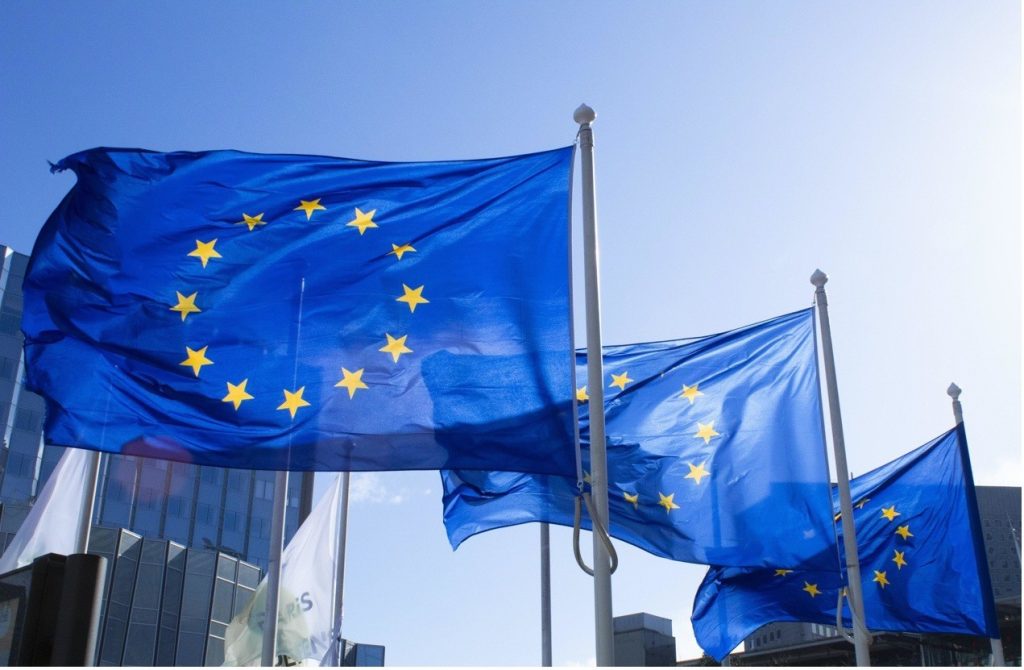

7. Geopolitical Uncertainty and Trade

Trade remains a key vulnerability. The Eurozone depends heavily on imports for energy and strategic materials, making it sensitive to global disruptions:

  • Rising U.S.-China tensions affect exports of high-tech goods and intermediate inputs.
  • Brexit continues to complicate trade with the UK, despite agreements in place.
  • Sanctions policies toward Russia create both risks and market opportunities in energy, defense, and technology sectors.

Investors and firms must navigate these complexities carefully, balancing risk with strategic positioning.


8. Consumer Behavior and Confidence

Consumer confidence is subdued but heterogeneous. Northern Europe shows resilience, supported by stronger wages and employment, while southern Europe exhibits caution.

Key trends include:

  • Selective Spending: Households prioritize essential goods, travel, and digital services.
  • Debt Sensitivity: Mortgage rates above 4% in many countries limit property investment.
  • Savings Dynamics: Pandemic-era savings are declining, creating temporary constraints on discretionary consumption.

The consumer will ultimately determine the pace of recovery, emphasizing the importance of targeted policy support.


9. Investment Trends and Capital Flows

Despite challenges, investment continues, with distinct patterns:

  • Green Investment: Renewables, hydrogen, and energy efficiency projects attract both private and public capital.
  • Digital and AI: Corporations are investing in AI-driven processes, automation, and cybersecurity.
  • Cross-Border Capital: European investors are cautious, with funds increasingly allocated to safe-haven assets and strategic industries.

Private capital is more selective, with risk assessment influenced by energy costs, interest rates, and political uncertainty.


10. Conclusion: Navigating the Crossroads

The Eurozone in 2025 is neither in crisis nor in boom. It occupies a nuanced middle ground: moderate growth, persistent inflation, and high uncertainty.

Success depends on balancing short-term stabilization with long-term transformation:

  • Monetary and fiscal policies must be carefully calibrated to support growth without reigniting inflation.
  • Energy transition and decarbonization must be aligned with competitiveness and affordability.
  • Structural reforms in labor, digitalization, and regulation are essential for productivity gains.
  • Geopolitical and trade risks require strategic foresight and diversified partnerships.

For investors, policymakers, and businesses, the message is clear: resilience, adaptability, and strategic foresight are the currencies of success in Europe’s complex economic environment.

Tags: economyEurope and AmericafinanceFinance and economics
ShareTweetShare

Related Posts

The New Inflation Puzzle: Why Europe and the United States Are Struggling With Different Price Pressures
Europe and America

The New Economic Landscape of Europe and the United States: How 2025 is Reshaping Growth Models

December 3, 2025
The New Inflation Puzzle: Why Europe and the United States Are Struggling With Different Price Pressures
Europe and America

Transatlantic Trade Shifts: How Europe and the United States Are Redefining Economic Partnerships in 2025

December 3, 2025
The New Inflation Puzzle: Why Europe and the United States Are Struggling With Different Price Pressures
Europe and America

The Energy Transition Divide: How Europe and the United States Are Taking Different Paths Toward a Green Economy

December 3, 2025
The New Inflation Puzzle: Why Europe and the United States Are Struggling With Different Price Pressures
Europe and America

The New Workforce Challenge: How Europe and the United States Are Struggling With Talent Shortages and Productivity Slowdowns

December 3, 2025
The New Inflation Puzzle: Why Europe and the United States Are Struggling With Different Price Pressures
Europe and America

The New Inflation Puzzle: Why Europe and the United States Are Struggling With Different Price Pressures

December 3, 2025
Europe and America

Interest-Rate Divergence Between the Fed and the ECB:

November 23, 2025
Load More
Leave Comment
  • Bitcoin on a rollercoaster ride The whole network more than 110,000 people exploded warehouse 2.9 billion yuan evaporation in 24 hours! What’s going on?

    Bitcoin on a rollercoaster ride The whole network more than 110,000 people exploded warehouse 2.9 billion yuan evaporation in 24 hours! What’s going on?

    0 shares
    Share 0 Tweet 0
  • There are always unconvinced want to try! The size of Nvidia’s short position is now comparable to Apple and Tesla combined

    0 shares
    Share 0 Tweet 0
  • The probability is about 75%! Will the G7 fall?

    0 shares
    Share 0 Tweet 0
  • A number of data point to the Japanese government intervention in the currency market after the “5 trillion” still depends on the United States

    0 shares
    Share 0 Tweet 0
  • How far can Tech stocks go to split on Fed expectations?

    0 shares
    Share 0 Tweet 0

Hot

The New Inflation Puzzle: Why Europe and the United States Are Struggling With Different Price Pressures

The New Economic Landscape of Europe and the United States: How 2025 is Reshaping Growth Models

December 3, 2025
The New Inflation Puzzle: Why Europe and the United States Are Struggling With Different Price Pressures

Transatlantic Trade Shifts: How Europe and the United States Are Redefining Economic Partnerships in 2025

December 3, 2025
The New Inflation Puzzle: Why Europe and the United States Are Struggling With Different Price Pressures

The Energy Transition Divide: How Europe and the United States Are Taking Different Paths Toward a Green Economy

December 3, 2025
The New Inflation Puzzle: Why Europe and the United States Are Struggling With Different Price Pressures

The New Workforce Challenge: How Europe and the United States Are Struggling With Talent Shortages and Productivity Slowdowns

December 3, 2025
The New Inflation Puzzle: Why Europe and the United States Are Struggling With Different Price Pressures

The New Inflation Puzzle: Why Europe and the United States Are Struggling With Different Price Pressures

December 3, 2025

The Social Foundations of Economic Stability: How France and Germany Are Managing Inequality, Welfare, and the Future of Work

December 2, 2025

The Energy Transition Challenge: How France and Germany Are Rebuilding Their Economic Power Through Green Transformation

December 2, 2025

France and Germany in a Shifting Global Economy: How Both Countries Are Rebuilding Their Competitiveness

December 2, 2025

Germany’s Economy at a Turning Point: Slow Growth, Industrial Pressure, and the Search for a New Future

December 2, 2025

France’s Economy in a Time of Slow Growth and Social Pressure

December 2, 2025
The New Inflation Puzzle: Why Europe and the United States Are Struggling With Different Price Pressures
Europe and America

The New Economic Landscape of Europe and the United States: How 2025 is Reshaping Growth Models

December 3, 2025
The New Inflation Puzzle: Why Europe and the United States Are Struggling With Different Price Pressures
Europe and America

Transatlantic Trade Shifts: How Europe and the United States Are Redefining Economic Partnerships in 2025

December 3, 2025
The New Inflation Puzzle: Why Europe and the United States Are Struggling With Different Price Pressures
Europe and America

The Energy Transition Divide: How Europe and the United States Are Taking Different Paths Toward a Green Economy

December 3, 2025
The New Inflation Puzzle: Why Europe and the United States Are Struggling With Different Price Pressures
Europe and America

The New Workforce Challenge: How Europe and the United States Are Struggling With Talent Shortages and Productivity Slowdowns

December 3, 2025
wealthtrend

WealthTrend, as the leading financial information service platform in the industry, provides comprehensive, timely and accurate financial information services for investors and financial practitioners by virtue of its deep industry background, clear service purpose and unique characteristics.

Copyright © 2025 Contact: [email protected]

No Result
View All Result
  • Home
  • Top News
  • Global
  • Asia-Pacific
  • Europe
  • viewpoint
  • America
  • Europe and America

Copyright © 2025 Contact: [email protected]

Welcome Back!

Login to your account below

Forgotten Password?

Retrieve your password

Please enter your username or email address to reset your password.

Log In