











wealthtrend
  • Home
  • Top News
  • Global

    The Global Interest Rate Turning Point: How Central Banks Are Changing Their Policies

    The New Shape of Global Trade and Finance: How Supply Chains and Currencies Are Moving

    The Rise of Digital Money:

    Finance in a Time of Geopolitical Tension:

    The New Shape of Work: How Technology Is Changing U.S. Jobs

    The New Forces Driving Global Markets:Technology, Demographics, and the Rise of Emerging Economies

    Global Payments at an Inflection Point: How Infrastructure, Regulation, and Geopolitics Are Rewriting the Future of Money

  • Asia-Pacific
    Japan’s Slow but Steady Recovery: How an Aging Nation Is Searching for New Growth

    Japan and South Korea: Comparative Economic Analysis and Future Prospects

    Japan’s Slow but Steady Recovery: How an Aging Nation Is Searching for New Growth

    South Korea’s Economy in Transition: Challenges, Opportunities, and the Path Ahead

    Japan’s Slow but Steady Recovery: How an Aging Nation Is Searching for New Growth

    South Korea’s Economic Transformation: From Manufacturing to Technology and Services

    Japan’s Slow but Steady Recovery: How an Aging Nation Is Searching for New Growth

    Japan’s Slow but Steady Recovery: How an Aging Nation Is Searching for New Growth

    Japan’s Slow but Steady Recovery: How an Aging Nation Is Searching for New Growth

    The Rise of Asia as the Next Global Financial Center

  • Europe

    The Social Foundations of Economic Stability: How France and Germany Are Managing Inequality, Welfare, and the Future of Work

    The Energy Transition Challenge: How France and Germany Are Rebuilding Their Economic Power Through Green Transformation

    France and Germany in a Shifting Global Economy: How Both Countries Are Rebuilding Their Competitiveness

    Germany’s Economy at a Turning Point: Slow Growth, Industrial Pressure, and the Search for a New Future

    France’s Economy in a Time of Slow Growth and Social Pressure

    The New Monetary Landscape of Europe: How the Eurozone Is Redefining Its Financial Future

  • viewpoint
  • America
  • Europe and America
wealthtrend
  • Home
  • Top News
  • Global

    The Global Interest Rate Turning Point: How Central Banks Are Changing Their Policies

    The New Shape of Global Trade and Finance: How Supply Chains and Currencies Are Moving

    The Rise of Digital Money:

    Finance in a Time of Geopolitical Tension:

    The New Shape of Work: How Technology Is Changing U.S. Jobs

    The New Forces Driving Global Markets:Technology, Demographics, and the Rise of Emerging Economies

    Global Payments at an Inflection Point: How Infrastructure, Regulation, and Geopolitics Are Rewriting the Future of Money

  • Asia-Pacific
    Japan’s Slow but Steady Recovery: How an Aging Nation Is Searching for New Growth

    Japan and South Korea: Comparative Economic Analysis and Future Prospects

    Japan’s Slow but Steady Recovery: How an Aging Nation Is Searching for New Growth

    South Korea’s Economy in Transition: Challenges, Opportunities, and the Path Ahead

    Japan’s Slow but Steady Recovery: How an Aging Nation Is Searching for New Growth

    South Korea’s Economic Transformation: From Manufacturing to Technology and Services

    Japan’s Slow but Steady Recovery: How an Aging Nation Is Searching for New Growth

    Japan’s Slow but Steady Recovery: How an Aging Nation Is Searching for New Growth

    Japan’s Slow but Steady Recovery: How an Aging Nation Is Searching for New Growth

    The Rise of Asia as the Next Global Financial Center

  • Europe

    The Social Foundations of Economic Stability: How France and Germany Are Managing Inequality, Welfare, and the Future of Work

    The Energy Transition Challenge: How France and Germany Are Rebuilding Their Economic Power Through Green Transformation

    France and Germany in a Shifting Global Economy: How Both Countries Are Rebuilding Their Competitiveness

    Germany’s Economy at a Turning Point: Slow Growth, Industrial Pressure, and the Search for a New Future

    France’s Economy in a Time of Slow Growth and Social Pressure

    The New Monetary Landscape of Europe: How the Eurozone Is Redefining Its Financial Future

  • viewpoint
  • America
  • Europe and America
wealthtrend
Home Europe

Big news from Russia! The European Union has imposed restrictions on Russian liquefied natural gas exports for the first time

June 5, 2024
in Europe, Europe and America, Financial express, Top News
Big news from Russia! The European Union has imposed restrictions on Russian liquefied natural gas exports for the first time

The EU is about to take action against Russia

On May 13, local time, Bloomberg reported that the European Union is brewing the 14th round of sanctions against Russia, this time will involve Russian natural gas, and plans to prohibit Russian liquefied natural gas from using EU ports for transit. This would mark the first time that the EU has imposed restrictions on Russian LNG exports.

Some institutional analysis believes that once the EU sanctions will have a profound impact on Russia’s LNG export model. Russia will have to overhaul its LNG export strategy, and gas and LNG prices could soar.

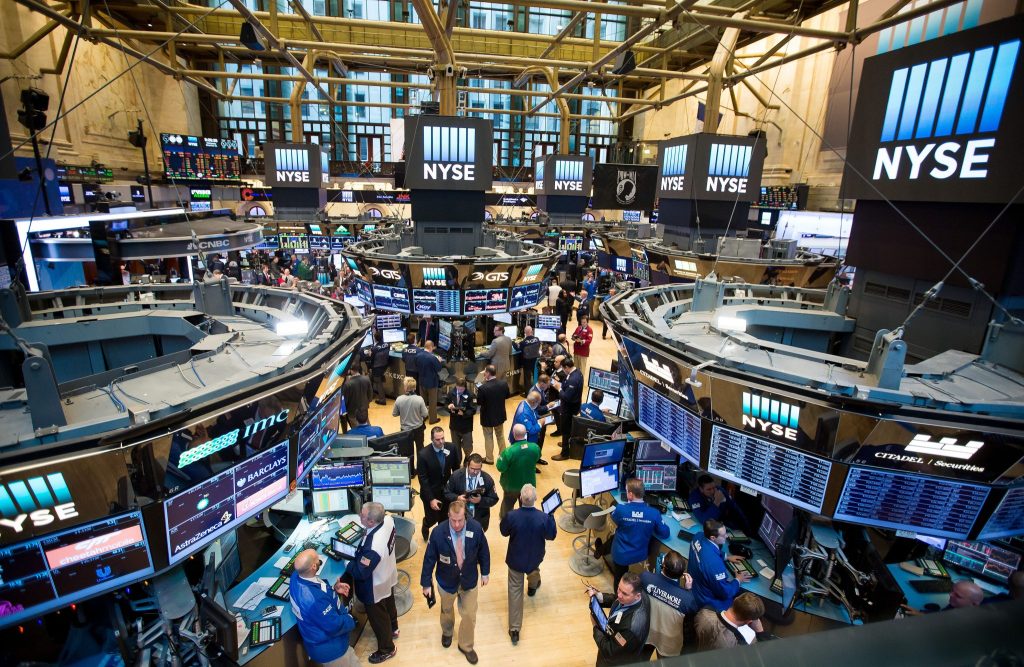
At the same time, there is also big news about the freezing of huge Russian assets by EU countries. According to the website of the German Frankfurter Allgemeine Zeitung, EU member states have unanimously decided to use the additional proceeds generated from frozen Russian funds for Ukraine. Russian funds frozen in the EU are expected to generate €3 billion a year. According to the legal interpretation of the European Commission and the Council of the European Union, Russia is not entitled to the proceeds.
The EU is ready to act

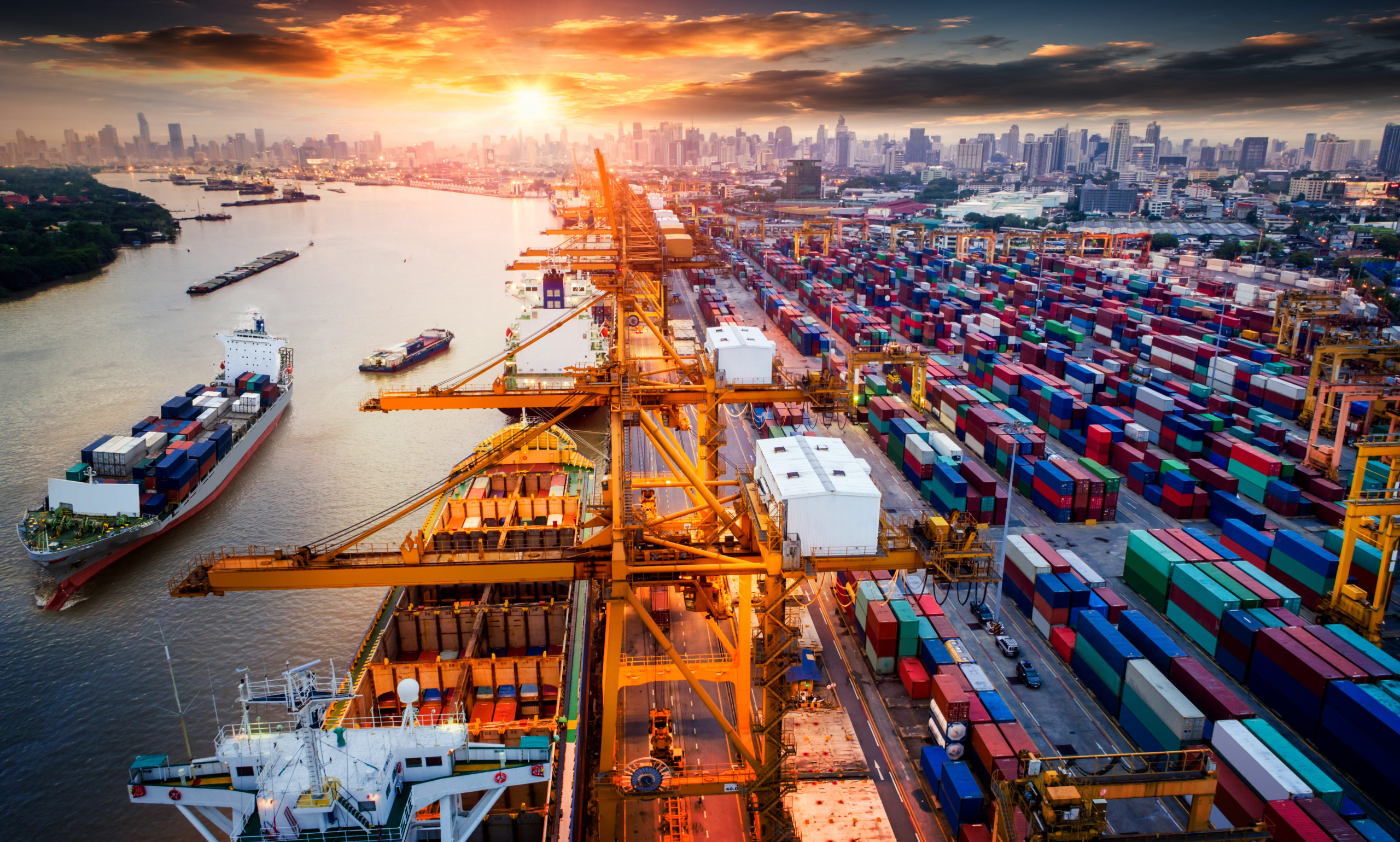
On May 13, local time, according to Bloomberg News reported that the EU is brewing the 14th round of sanctions against Russia, this time will involve Russian natural gas, but not to ban the import of Russian gas, but to prohibit Russian liquefied natural gas (LNG) to use the EU port transit.

The move is being discussed by EU policymakers and, while not an outright ban, would mark the first time the bloc has imposed restrictions on Russian LNG exports.

The EU’s move is aimed at curbing Russia’s fossil fuel revenues while also ensuring that European citizens are not saddled with higher energy costs.

Before that, the United States and its Western Allies had imposed a series of sanctions on Russian energy goods, but Europe had shied away from imposing restrictions on Russian gas because Russia was a major supplier of more than 40 percent of EU imports before the Ukraine invasion.

After the outbreak of the conflict between Russia and Ukraine, the European Union significantly reduced its gas imports from Russia.

It should be noted that most of Russia’s natural gas exports to the EU were transported in the form of pipelines, and although the EU has reduced imports of pipeline natural gas, its imports of LNG to Russia have increased.

For the whole of 2023, the EU imported 14.4m tonnes of LNG from Russia and transshipped 2m tonnes, according to consultancy Energy Aspects. If the EU bans the transshipment of Russian LNG at its ports, it could lead to the gas being sold on the European market instead.

Bloomberg reported that the EU’s latest plan may anger Asian buyers of Russian LNG, such as India.

James Waddel, head of European gas and global LNG at Energy Aspects, said Russian LNG exports to Asian buyers could fall or become more expensive due to higher freight rates.

Potential EU sanctions would further complicate Russia’s shipping logistics, with global fleets avoiding the Red Sea and rerouting around the Cape of Good Hope in Africa because of continued attacks by Houthi fighters in Yemen on ships near the region.

Some institutional analysis believes that once the EU sanctions will have a profound impact on Russia’s LNG export model. Currently, Russia supplies liquefied natural gas to Asia via Europe, with Spain, Belgium and France being the main transit points. If sanctions are implemented, Russia will have to overhaul its LNG export strategy.
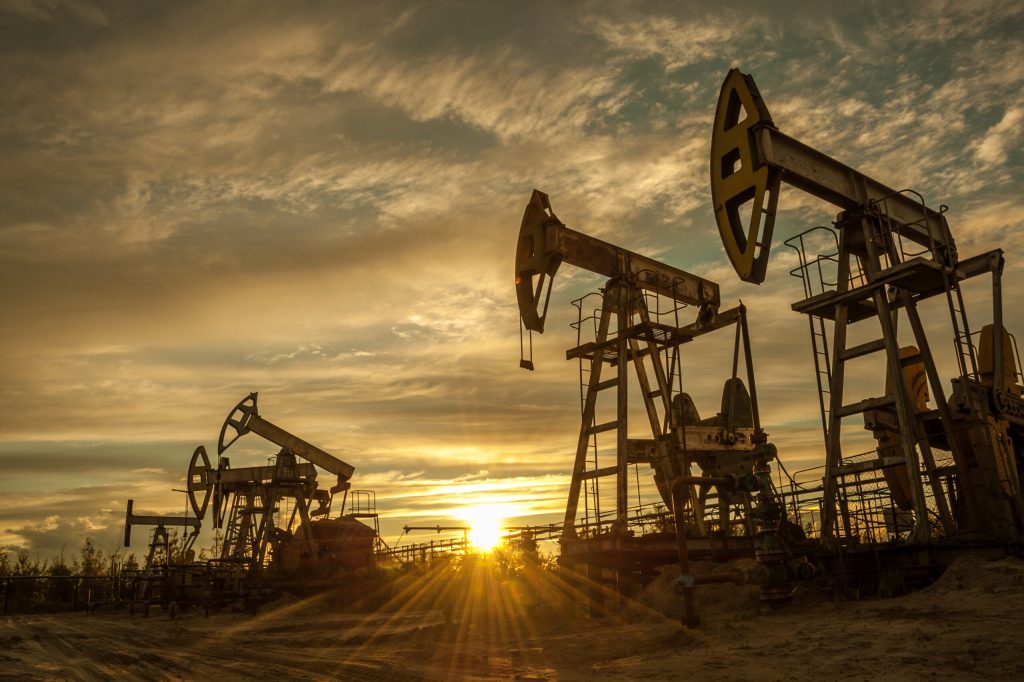
Oil pump jacks at sunset sky background. Toned.

How much does it affect?

Since the outbreak of the conflict between Russia and Ukraine, Europe has followed the United States in imposing embargoes or price restrictions on Russian oil and other energy products in an attempt to get rid of its energy dependence on Russia.

In 2023, Europe will import nearly 60% less gas from Russia via gas pipelines than in the previous year, equivalent to a reduction of 26 million tons of liquefied natural gas.

Europe has instead increased its LNG imports from the United States, which accounts for 70 percent of its exports to Europe. Before the conflict with Ukraine, the proportion was only 30 per cent.

The United States will export about 87 million tons of LNG in 2023, which has risen to the first place in the world. The agency predicts that as the United States promotes the expansion of natural gas production capacity and the construction of export bases, the export volume of liquefied natural gas in the United States will further expand after 2024.

Regarding the 14th round of EU sanctions, Russian presidential Press Secretary Dmitry Peskov has warned that any sanctions launched by the European Union against Russian liquefied natural gas will have a “backbiting” effect.

Mr Peskov noted that attempts to squeeze Russia “out of the energy market and to move [buyers] to more expensive markets are continuing”. According to him, any new EU sanctions against Russia will benefit the United States because it means European industry will pay more for gas.

Analysts believe that once the EU sanctions take effect, Europe’s energy landscape is likely to change significantly in the coming months.

PatrickPouyanne, CEO of TotalEnergies, predicted a sharp spike in gas and LNG prices following EU sanctions against Russian LNG.

ACER, the EU’s energy regulator, warned that the EU still needs to import Russian LNG to avoid an energy shock. It is difficult for the EU to balance its own energy security with cutting Russian gas purchases to hit Russia’s finances.

Major decision
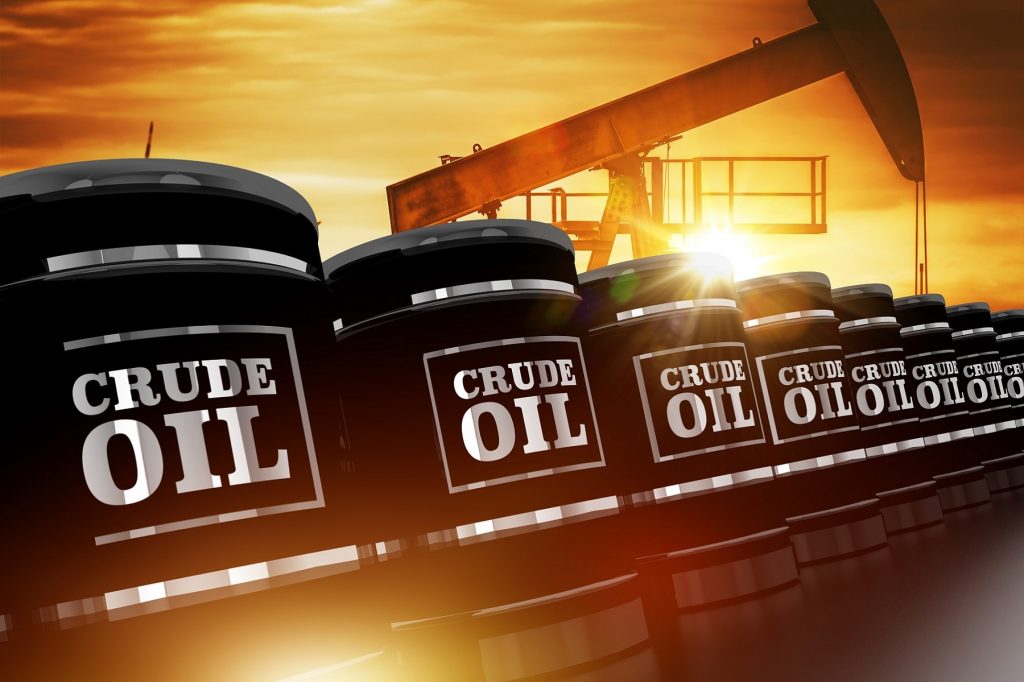
There was also big news about Russia’s huge assets frozen by the European Union.

Recently, according to the German “Frankfurter Allgemeine Zeitung” website reported that after several weeks of negotiations, EU member states unanimously decided to use the additional revenue generated by frozen Russian state funds for Ukraine.

This momentous decision follows a recommendation made by the European Commission in mid-March. According to the proposal, 90 percent of the net proceeds should be used to compensate member states for military assistance to Kiev, and the remaining 10 percent would be used to support Ukraine’s state finances and reconstruction.

According to the legal interpretation of the European Commission and the Council of the European Union, Russia is not entitled to the resulting additional revenue.

Russian state funds frozen in the EU are expected to generate €3 billion a year.

Since the outbreak of the conflict, EU countries have frozen about €210bn of Russian state funds, which are almost entirely held by the Eurobond Brussels clearing bank. The bank invested the maturing funds in government bonds.

According to reports, the EU member states in the negotiations also decided that the Eurobond Brussels clearing bank can impose a 0.3 percent management fee on the proceeds. This overturned the original plan to impose a 3% levy. In addition, as the bank faces risks such as damages in Russia, 10% of the investment income will be retained by the bank as a buffer.

Russia’s Foreign Ministry has said the freezing of Russian assets in Europe is theft. Russian Foreign Minister Sergei Lavrov said: “We will certainly respond, and we can also not return the funds stored in Russia by Western countries that are frozen because of the seizure of Russian state reserves.” There will no doubt be reciprocal action.”

Tags: EuropeEurope and AmericafinanceFinance and economics
ShareTweetShare

Related Posts

The New Inflation Puzzle: Why Europe and the United States Are Struggling With Different Price Pressures
Europe and America

The New Economic Landscape of Europe and the United States: How 2025 is Reshaping Growth Models

December 3, 2025
The New Inflation Puzzle: Why Europe and the United States Are Struggling With Different Price Pressures
Europe and America

Transatlantic Trade Shifts: How Europe and the United States Are Redefining Economic Partnerships in 2025

December 3, 2025
The New Inflation Puzzle: Why Europe and the United States Are Struggling With Different Price Pressures
Europe and America

The Energy Transition Divide: How Europe and the United States Are Taking Different Paths Toward a Green Economy

December 3, 2025
The New Inflation Puzzle: Why Europe and the United States Are Struggling With Different Price Pressures
Europe and America

The New Workforce Challenge: How Europe and the United States Are Struggling With Talent Shortages and Productivity Slowdowns

December 3, 2025
The New Inflation Puzzle: Why Europe and the United States Are Struggling With Different Price Pressures
Europe and America

The New Inflation Puzzle: Why Europe and the United States Are Struggling With Different Price Pressures

December 3, 2025
Europe

The Social Foundations of Economic Stability: How France and Germany Are Managing Inequality, Welfare, and the Future of Work

December 2, 2025
Load More
Leave Comment
  • Bitcoin on a rollercoaster ride The whole network more than 110,000 people exploded warehouse 2.9 billion yuan evaporation in 24 hours! What’s going on?

    Bitcoin on a rollercoaster ride The whole network more than 110,000 people exploded warehouse 2.9 billion yuan evaporation in 24 hours! What’s going on?

    0 shares
    Share 0 Tweet 0
  • There are always unconvinced want to try! The size of Nvidia’s short position is now comparable to Apple and Tesla combined

    0 shares
    Share 0 Tweet 0
  • The probability is about 75%! Will the G7 fall?

    0 shares
    Share 0 Tweet 0
  • A number of data point to the Japanese government intervention in the currency market after the “5 trillion” still depends on the United States

    0 shares
    Share 0 Tweet 0
  • How far can Tech stocks go to split on Fed expectations?

    0 shares
    Share 0 Tweet 0

Hot

The New Inflation Puzzle: Why Europe and the United States Are Struggling With Different Price Pressures

The New Economic Landscape of Europe and the United States: How 2025 is Reshaping Growth Models

December 3, 2025
The New Inflation Puzzle: Why Europe and the United States Are Struggling With Different Price Pressures

Transatlantic Trade Shifts: How Europe and the United States Are Redefining Economic Partnerships in 2025

December 3, 2025
The New Inflation Puzzle: Why Europe and the United States Are Struggling With Different Price Pressures

The Energy Transition Divide: How Europe and the United States Are Taking Different Paths Toward a Green Economy

December 3, 2025
The New Inflation Puzzle: Why Europe and the United States Are Struggling With Different Price Pressures

The New Workforce Challenge: How Europe and the United States Are Struggling With Talent Shortages and Productivity Slowdowns

December 3, 2025
The New Inflation Puzzle: Why Europe and the United States Are Struggling With Different Price Pressures

The New Inflation Puzzle: Why Europe and the United States Are Struggling With Different Price Pressures

December 3, 2025

The Social Foundations of Economic Stability: How France and Germany Are Managing Inequality, Welfare, and the Future of Work

December 2, 2025

The Energy Transition Challenge: How France and Germany Are Rebuilding Their Economic Power Through Green Transformation

December 2, 2025

France and Germany in a Shifting Global Economy: How Both Countries Are Rebuilding Their Competitiveness

December 2, 2025

Germany’s Economy at a Turning Point: Slow Growth, Industrial Pressure, and the Search for a New Future

December 2, 2025

France’s Economy in a Time of Slow Growth and Social Pressure

December 2, 2025
The New Inflation Puzzle: Why Europe and the United States Are Struggling With Different Price Pressures
Europe and America

The New Economic Landscape of Europe and the United States: How 2025 is Reshaping Growth Models

December 3, 2025
The New Inflation Puzzle: Why Europe and the United States Are Struggling With Different Price Pressures
Europe and America

Transatlantic Trade Shifts: How Europe and the United States Are Redefining Economic Partnerships in 2025

December 3, 2025
The New Inflation Puzzle: Why Europe and the United States Are Struggling With Different Price Pressures
Europe and America

The Energy Transition Divide: How Europe and the United States Are Taking Different Paths Toward a Green Economy

December 3, 2025
The New Inflation Puzzle: Why Europe and the United States Are Struggling With Different Price Pressures
Europe and America

The New Workforce Challenge: How Europe and the United States Are Struggling With Talent Shortages and Productivity Slowdowns

December 3, 2025
wealthtrend

WealthTrend, as the leading financial information service platform in the industry, provides comprehensive, timely and accurate financial information services for investors and financial practitioners by virtue of its deep industry background, clear service purpose and unique characteristics.

Copyright © 2025 Contact: [email protected]

No Result
View All Result
  • Home
  • Top News
  • Global
  • Asia-Pacific
  • Europe
  • viewpoint
  • America
  • Europe and America

Copyright © 2025 Contact: [email protected]

Welcome Back!

Login to your account below

Forgotten Password?

Retrieve your password

Please enter your username or email address to reset your password.

Log In