






wealthtrend
  • Home
  • Top News
  • Global

    The Global Interest Rate Turning Point: How Central Banks Are Changing Their Policies

    The New Shape of Global Trade and Finance: How Supply Chains and Currencies Are Moving

    The Rise of Digital Money:

    Finance in a Time of Geopolitical Tension:

    The New Shape of Work: How Technology Is Changing U.S. Jobs

    The New Forces Driving Global Markets:Technology, Demographics, and the Rise of Emerging Economies

    Global Payments at an Inflection Point: How Infrastructure, Regulation, and Geopolitics Are Rewriting the Future of Money

  • Asia-Pacific
    Japan’s Slow but Steady Recovery: How an Aging Nation Is Searching for New Growth

    Japan and South Korea: Comparative Economic Analysis and Future Prospects

    Japan’s Slow but Steady Recovery: How an Aging Nation Is Searching for New Growth

    South Korea’s Economy in Transition: Challenges, Opportunities, and the Path Ahead

    Japan’s Slow but Steady Recovery: How an Aging Nation Is Searching for New Growth

    South Korea’s Economic Transformation: From Manufacturing to Technology and Services

    Japan’s Slow but Steady Recovery: How an Aging Nation Is Searching for New Growth

    Japan’s Slow but Steady Recovery: How an Aging Nation Is Searching for New Growth

    Japan’s Slow but Steady Recovery: How an Aging Nation Is Searching for New Growth

    The Rise of Asia as the Next Global Financial Center

  • Europe

    The Social Foundations of Economic Stability: How France and Germany Are Managing Inequality, Welfare, and the Future of Work

    The Energy Transition Challenge: How France and Germany Are Rebuilding Their Economic Power Through Green Transformation

    France and Germany in a Shifting Global Economy: How Both Countries Are Rebuilding Their Competitiveness

    Germany’s Economy at a Turning Point: Slow Growth, Industrial Pressure, and the Search for a New Future

    France’s Economy in a Time of Slow Growth and Social Pressure

    The New Monetary Landscape of Europe: How the Eurozone Is Redefining Its Financial Future

  • viewpoint
  • America
  • Europe and America
wealthtrend
  • Home
  • Top News
  • Global

    The Global Interest Rate Turning Point: How Central Banks Are Changing Their Policies

    The New Shape of Global Trade and Finance: How Supply Chains and Currencies Are Moving

    The Rise of Digital Money:

    Finance in a Time of Geopolitical Tension:

    The New Shape of Work: How Technology Is Changing U.S. Jobs

    The New Forces Driving Global Markets:Technology, Demographics, and the Rise of Emerging Economies

    Global Payments at an Inflection Point: How Infrastructure, Regulation, and Geopolitics Are Rewriting the Future of Money

  • Asia-Pacific
    Japan’s Slow but Steady Recovery: How an Aging Nation Is Searching for New Growth

    Japan and South Korea: Comparative Economic Analysis and Future Prospects

    Japan’s Slow but Steady Recovery: How an Aging Nation Is Searching for New Growth

    South Korea’s Economy in Transition: Challenges, Opportunities, and the Path Ahead

    Japan’s Slow but Steady Recovery: How an Aging Nation Is Searching for New Growth

    South Korea’s Economic Transformation: From Manufacturing to Technology and Services

    Japan’s Slow but Steady Recovery: How an Aging Nation Is Searching for New Growth

    Japan’s Slow but Steady Recovery: How an Aging Nation Is Searching for New Growth

    Japan’s Slow but Steady Recovery: How an Aging Nation Is Searching for New Growth

    The Rise of Asia as the Next Global Financial Center

  • Europe

    The Social Foundations of Economic Stability: How France and Germany Are Managing Inequality, Welfare, and the Future of Work

    The Energy Transition Challenge: How France and Germany Are Rebuilding Their Economic Power Through Green Transformation

    France and Germany in a Shifting Global Economy: How Both Countries Are Rebuilding Their Competitiveness

    Germany’s Economy at a Turning Point: Slow Growth, Industrial Pressure, and the Search for a New Future

    France’s Economy in a Time of Slow Growth and Social Pressure

    The New Monetary Landscape of Europe: How the Eurozone Is Redefining Its Financial Future

  • viewpoint
  • America
  • Europe and America
wealthtrend
Home Asia-Pacific

South Korea suddenly attacked! Is taking steps to crack down on naked short selling and continues to investigate five investment banks

June 7, 2024
in Asia-Pacific, Financial express, Global, Top News, viewpoint
South Korea suddenly attacked! Is taking steps to crack down on naked short selling and continues to investigate five investment banks

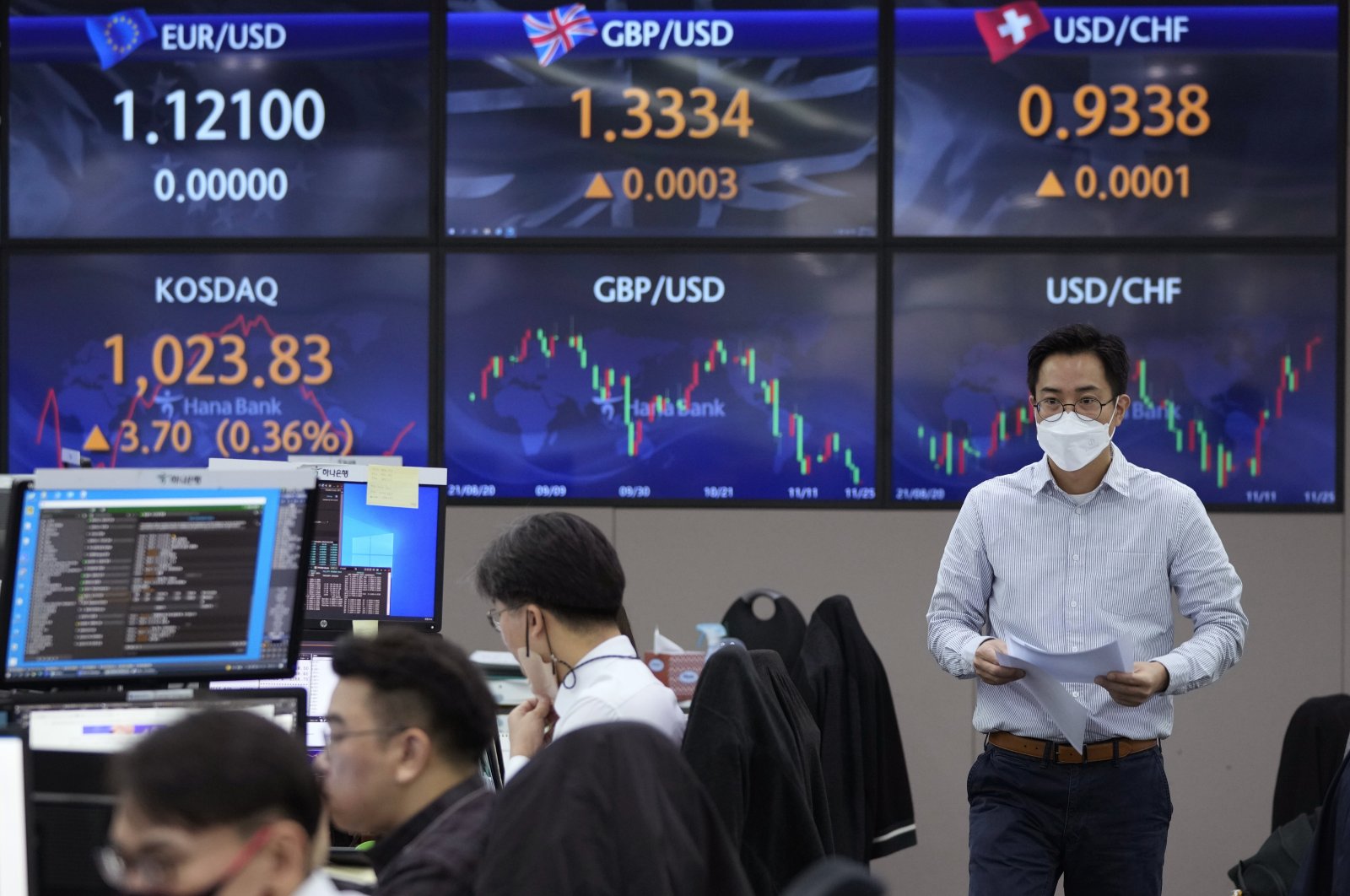
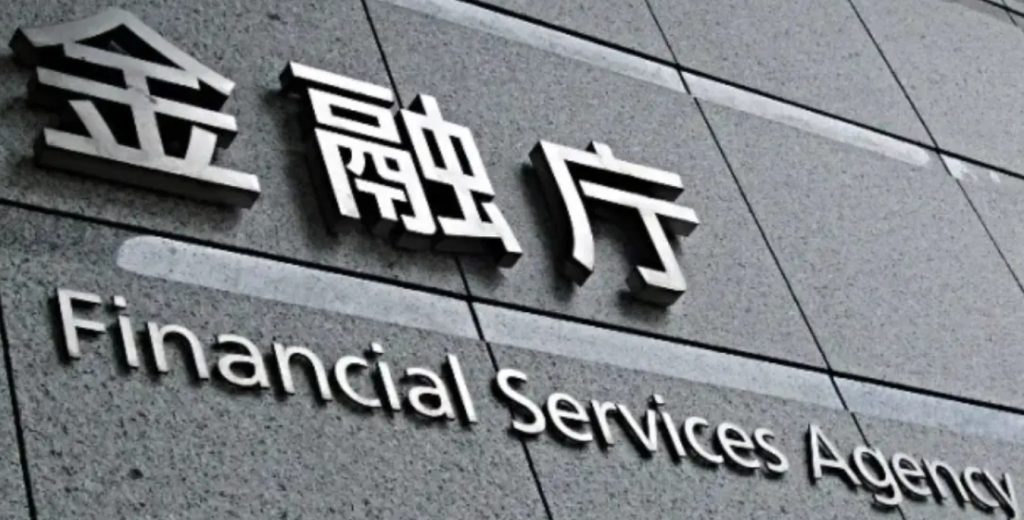
The activities of global banks and hedge funds have come under increasing scrutiny in South Korea, where authorities have been taking steps to crack down on naked short selling by foreign investors, which they describe as “rampant.”

The Financial Supervisory Service said it was continuing to investigate five other investment banks. In total, the 14 investment banks investigated by South Korean authorities already account for 90 per cent of short selling by foreign companies in South Korea.

Korean attack

On May 6, local time, South Korea’s financial regulator issued a notice saying that so far, nine global investment banks have been found to have carried out illegal short selling transactions worth 21.2 billion won (about 1.13 billion yuan). This is the latest notification of the results of the investigation of “naked shorting” by South Korean regulatory authorities.

The nine investment banks, which were not specifically named, mainly violated procedural rules by illegally shorting a total of 164 stocks, according to the Financial Supervisory Service.

Hahm Yong-il, senior deputy director of the Financial Supervisory Service, said two of the nine investment banks had already faced penalties from financial authorities and been referred to prosecutors for further investigation on suspicion of violating national capital market laws. The financial regulator is now planning to review penalties for seven other banks.
So far, he said, most of the naked short selling at the nine banks has been related to irregularities in margin lending, such as not borrowing enough shares. Most of the violations are not related to the use of undisclosed information or other types of unfair trading practices.

The Financial Supervisory Service said it was continuing to investigate five other investment banks. In total, the 14 investment banks under investigation accounted for 90 per cent of short selling by foreign companies in South Korea.

The activities of global banks and hedge funds have come under increasing scrutiny in South Korea in recent months as authorities there have moved to crack down on naked short selling.

Naked short selling refers to an investment technique in which investors sell non-existent shares directly in the market without borrowing the shares, and then buy back the shares for profit when the stock price falls further.

In January this year, the South Korean Financial Supervisory Service issued a notice saying that the regulatory authorities confirmed that two international investment banks had illegally shorted five South Korean stocks, with a transaction amount of 54 billion won, plus the illegal short-selling transactions involving two international investment banks, France and HSBC, disclosed in November last year (a total of 56 billion won). At that time, the total amount of illegal short selling was 110 billion won.

In March, HSBC’s Hong Kong branch and three of its traders were also indicted by South Korean prosecutors. Credit Suisse, which was acquired by UBS, is also facing a fine, local media reported earlier this month.

Now, with further investigation, the number has nearly doubled.

No short selling

While short selling is legal in many markets, it has become an increasingly contentious political issue in South Korea, where the country’s large retail investors often blame short selling for stock declines.

If history is any guide, every time South Korea’s stock market starts to tumble, regulators have stepped in to stabilize the market by banning short selling.

The South Korean authorities have described naked short selling by foreign investors as “rampant,” and the Financial Services Commission and the Financial Supervisory Service have banned short selling from November last year to the end of June this year, and stocks in the KOSPI 200 and KOSDAQ 150 index are banned from borrowing shares for trading.

The background of the ban on short selling policy is that the South Korean stock market continued to fall sharply, in October last year, the South Korean Composite Index fell 7.6%, the largest monthly decline since December 2022 record, hit a new stage low.

After the short-selling ban was introduced, the South Korean stock market rebounded sharply, rising for two months in a row, and the cumulative increase in November and December last year was 11.3% and 4.7%, respectively, and this rally continued until March this year, during which the maximum increase was more than 22%.
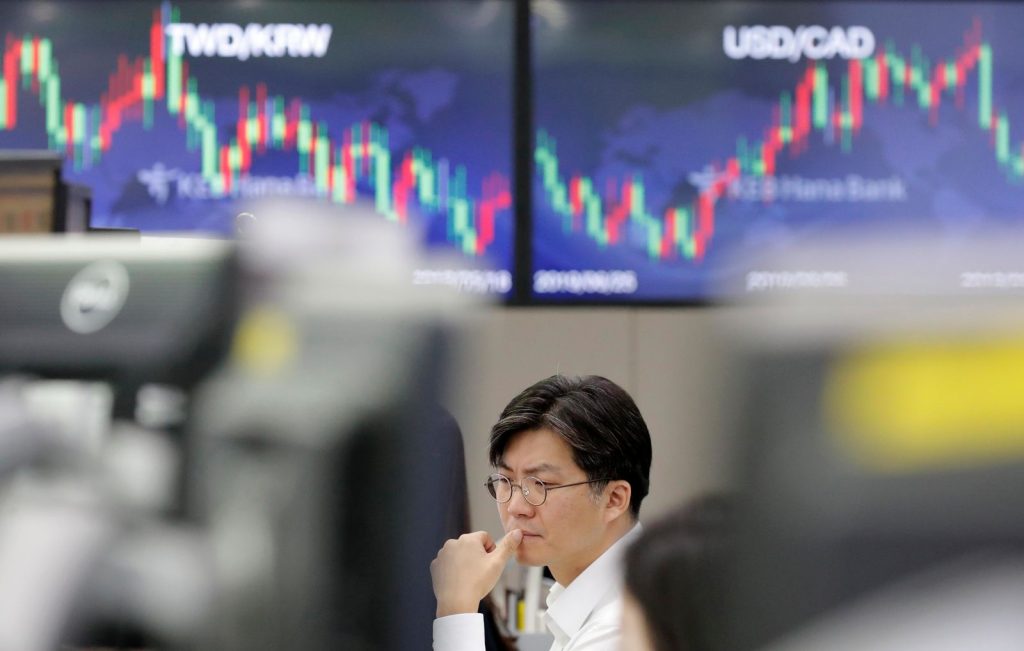
According to data from the Korea CXO Institute, a corporate analysis firm, the total market value of the Korean stock market increased by nearly 100 trillion won (about 522.8 billion yuan) due to stock price gains in the first quarter of this year, while the number of individual stocks worth more than 1 trillion won increased from 259 at the beginning of the year to 263 at the end of March.

Notably, South Korea has also set up a special team to investigate all short-selling activities by major global investment banks since May 2021.

According to the Financial Supervisory Service, most short selling by global banks in South Korea is to hedge swaps with end customers.

The regulator is developing a platform to monitor short selling to help identify illegal transactions. While the short-selling ban imposed in November was only supposed to last until the end of June, President Yoon Seok-yoon recently said it would remain in place until an electronic monitoring system was in place.

Mr Yoon’s comments may mean that the ban on short selling on South Korean stocks will be further extended after it expires at the end of June.

But industry insiders warn that a prolonged ban on short-selling could hamper South Korea’s bid to join key global indices.

South Korea keeps making big moves

In addition to the short-selling ban, the government has introduced a series of policies to reform the stock market, including a “corporate value enhancement programme” and the abolition of the foreign investor registration system, in an attempt to replicate the Japanese miracle.

The Financial Services Commission said that in a number of areas, South Korea would learn from Japan and launch a “corporate value enhancement programme” to eliminate the undervalued Korean stock market.

Specifically, under the Enterprise Value Enhancement Program, companies whose management practices prioritize shareholder returns will receive “bold incentives” and tax benefits.
First, in September this year, the committee will compile a “Korea Appreciation Index” with a sample of good companies for reference by institutions and foreign investors. Second, an ETF tracking the index is expected to be launched in December, giving retail investors the opportunity to invest in good companies.

About 1,600 listed companies will develop their own plans aimed at boosting corporate value and publish them annually, according to the committee statement. The guidelines for the Enterprise Value Enhancement Program will be finalized in June.

This “enterprise value enhancement plan” is seen as an important measure for the South Korean regulatory authorities to learn from the Japanese market and try to implement “Hante valuation” in the South Korean market.

Looking back over the past 10 years, the Korean stock market has barely seen a surge, largely because of the long-running “Korea discount” in the Korean stock market.

The so-called “Korea discount” refers to the fact that, despite strong cash flow and earnings performance, many listed Korean companies have long traded at a discount to book value and are often valued significantly below their overseas peers.

Tags: financeFinance and economicsglobalKorea
ShareTweetShare

Related Posts

Japan’s Slow but Steady Recovery: How an Aging Nation Is Searching for New Growth
Asia-Pacific

Japan and South Korea: Comparative Economic Analysis and Future Prospects

December 1, 2025
Japan’s Slow but Steady Recovery: How an Aging Nation Is Searching for New Growth
Asia-Pacific

South Korea’s Economy in Transition: Challenges, Opportunities, and the Path Ahead

December 1, 2025
Japan’s Slow but Steady Recovery: How an Aging Nation Is Searching for New Growth
Asia-Pacific

South Korea’s Economic Transformation: From Manufacturing to Technology and Services

December 1, 2025
Japan’s Slow but Steady Recovery: How an Aging Nation Is Searching for New Growth
Asia-Pacific

December 1, 2025
Japan’s Slow but Steady Recovery: How an Aging Nation Is Searching for New Growth
Asia-Pacific

Japan’s Slow but Steady Recovery: How an Aging Nation Is Searching for New Growth

December 1, 2025
Global

The Global Interest Rate Turning Point: How Central Banks Are Changing Their Policies

November 30, 2025
Load More
Leave Comment
  • Bitcoin on a rollercoaster ride The whole network more than 110,000 people exploded warehouse 2.9 billion yuan evaporation in 24 hours! What’s going on?

    Bitcoin on a rollercoaster ride The whole network more than 110,000 people exploded warehouse 2.9 billion yuan evaporation in 24 hours! What’s going on?

    0 shares
    Share 0 Tweet 0
  • There are always unconvinced want to try! The size of Nvidia’s short position is now comparable to Apple and Tesla combined

    0 shares
    Share 0 Tweet 0
  • The probability is about 75%! Will the G7 fall?

    0 shares
    Share 0 Tweet 0
  • A number of data point to the Japanese government intervention in the currency market after the “5 trillion” still depends on the United States

    0 shares
    Share 0 Tweet 0
  • How far can Tech stocks go to split on Fed expectations?

    0 shares
    Share 0 Tweet 0

Hot

The New Inflation Puzzle: Why Europe and the United States Are Struggling With Different Price Pressures

The New Economic Landscape of Europe and the United States: How 2025 is Reshaping Growth Models

December 3, 2025
The New Inflation Puzzle: Why Europe and the United States Are Struggling With Different Price Pressures

Transatlantic Trade Shifts: How Europe and the United States Are Redefining Economic Partnerships in 2025

December 3, 2025
The New Inflation Puzzle: Why Europe and the United States Are Struggling With Different Price Pressures

The Energy Transition Divide: How Europe and the United States Are Taking Different Paths Toward a Green Economy

December 3, 2025
The New Inflation Puzzle: Why Europe and the United States Are Struggling With Different Price Pressures

The New Workforce Challenge: How Europe and the United States Are Struggling With Talent Shortages and Productivity Slowdowns

December 3, 2025
The New Inflation Puzzle: Why Europe and the United States Are Struggling With Different Price Pressures

The New Inflation Puzzle: Why Europe and the United States Are Struggling With Different Price Pressures

December 3, 2025

The Social Foundations of Economic Stability: How France and Germany Are Managing Inequality, Welfare, and the Future of Work

December 2, 2025

The Energy Transition Challenge: How France and Germany Are Rebuilding Their Economic Power Through Green Transformation

December 2, 2025

France and Germany in a Shifting Global Economy: How Both Countries Are Rebuilding Their Competitiveness

December 2, 2025

Germany’s Economy at a Turning Point: Slow Growth, Industrial Pressure, and the Search for a New Future

December 2, 2025

France’s Economy in a Time of Slow Growth and Social Pressure

December 2, 2025
The New Inflation Puzzle: Why Europe and the United States Are Struggling With Different Price Pressures
Europe and America

The New Economic Landscape of Europe and the United States: How 2025 is Reshaping Growth Models

December 3, 2025
The New Inflation Puzzle: Why Europe and the United States Are Struggling With Different Price Pressures
Europe and America

Transatlantic Trade Shifts: How Europe and the United States Are Redefining Economic Partnerships in 2025

December 3, 2025
The New Inflation Puzzle: Why Europe and the United States Are Struggling With Different Price Pressures
Europe and America

The Energy Transition Divide: How Europe and the United States Are Taking Different Paths Toward a Green Economy

December 3, 2025
The New Inflation Puzzle: Why Europe and the United States Are Struggling With Different Price Pressures
Europe and America

The New Workforce Challenge: How Europe and the United States Are Struggling With Talent Shortages and Productivity Slowdowns

December 3, 2025
wealthtrend

WealthTrend, as the leading financial information service platform in the industry, provides comprehensive, timely and accurate financial information services for investors and financial practitioners by virtue of its deep industry background, clear service purpose and unique characteristics.

Copyright © 2025 Contact: [email protected]

No Result
View All Result
  • Home
  • Top News
  • Global
  • Asia-Pacific
  • Europe
  • viewpoint
  • America
  • Europe and America

Copyright © 2025 Contact: [email protected]

Welcome Back!

Login to your account below

Forgotten Password?

Retrieve your password

Please enter your username or email address to reset your password.

Log In