









Introduction
Global economic uncertainty has become a common theme in recent years, with discussions about potential recessions taking center stage. As economic indicators across major economies show signs of strain, many investors are wondering whether they should be concerned about a global recession. While recessions are a natural part of the economic cycle, the prospect of one can be unsettling, particularly for those with substantial investments. This article examines the key global economic indicators pointing toward a potential recession, expert opinions on the likelihood of a downturn in key economies, the impact of recessions on markets and investment portfolios, and how investors can prepare for or hedge against an economic slowdown.
1. Examination of Global Economic Indicators Signaling Potential Recession
The global economy is influenced by numerous factors, many of which are interconnected. A combination of warning signs can signal that a recession is on the horizon, and investors are closely watching these indicators for any early signs of a downturn. While some signals are more reliable than others, several key economic indicators are raising concerns.
Slowing Global Growth
One of the most significant indicators of a potential recession is slowing global economic growth. Many major economies, including the U.S., China, and parts of Europe, have shown signs of stagnation in recent months. While some countries are still experiencing modest growth, the pace of recovery from the COVID-19 pandemic has slowed, and some key economic drivers, such as consumer spending, industrial production, and trade, are underperforming. A prolonged period of low or negative growth in multiple countries could lead to a global recession.
Rising Inflation and Interest Rates
Another key sign of a potential recession is the rise in inflation rates, which have been climbing in many economies worldwide. Inflation erodes purchasing power, reduces consumer confidence, and can lead to tighter monetary policies from central banks. As central banks raise interest rates to combat inflation, borrowing costs increase, leading to reduced investment and consumption. This can ultimately slow economic activity and increase the risk of a recession.
Inverted Yield Curves
An inverted yield curve, where short-term interest rates are higher than long-term rates, is often seen as a reliable signal of an impending recession. This phenomenon reflects investor pessimism about future economic conditions, as it suggests that short-term borrowing costs are more expensive than long-term borrowing costs. Yield curve inversions have historically preceded recessions, though the timing and severity of a recession can vary.
Rising Unemployment
A significant increase in unemployment is another key indicator of an impending recession. While low unemployment is typically a sign of a healthy economy, rising jobless rates can signal a slowdown in economic activity. In the early stages of a recession, companies may start laying off workers as demand for goods and services falls, leading to higher unemployment. This, in turn, reduces consumer spending and can deepen the recessionary cycle.
2. Expert Analysis on the Likelihood of a Recession in Key Economies
As global economic indicators show signs of strain, economists are debating the likelihood of a recession in key economies. While some believe a downturn is imminent, others argue that current conditions are not yet severe enough to trigger a global recession. Let’s explore expert opinions on the likelihood of a recession in some of the world’s largest economies.
United States
The U.S. economy has been one of the most closely watched indicators of global recession risks. The Federal Reserve’s aggressive rate hikes to combat inflation, combined with slowing economic growth, have sparked concerns about a potential recession. While the U.S. labor market remains strong, and consumer spending is holding up relatively well, some economists warn that the combination of high inflation, rising borrowing costs, and a slowdown in key sectors like housing and manufacturing could push the U.S. into a recession. The likelihood of a U.S. recession will largely depend on how quickly inflation can be brought under control without derailing economic growth.
Eurozone
The Eurozone is facing a range of challenges that could increase the likelihood of a recession. High energy prices, exacerbated by the war in Ukraine, have put significant strain on European economies, particularly in countries heavily dependent on energy imports. Rising inflation and interest rate hikes by the European Central Bank (ECB) are also contributing to a slowdown in growth. While some countries in the Eurozone, such as Germany and France, have relatively strong economies, the overall region faces risks of stagflation, where inflation remains high, but growth stagnates. This could lead to a prolonged period of economic weakness in the Eurozone.
China
China, as the world’s second-largest economy, also plays a crucial role in global economic trends. The country has been grappling with a slowdown in growth due to ongoing COVID-19 lockdowns, a property market crisis, and weak domestic demand. While the Chinese government has taken steps to stimulate the economy, the combination of structural challenges and external pressures from trade tensions and geopolitical risks make the likelihood of a Chinese recession relatively high. A slowdown in China would have ripple effects on global markets, particularly in emerging economies that rely on Chinese trade.
Emerging Markets
Emerging markets are often the most vulnerable during times of global economic uncertainty. Many developing economies are facing higher inflation, rising debt levels, and currency depreciation. The risk of a recession in emerging markets is particularly high in countries that rely heavily on exports of commodities or have significant foreign debt. A slowdown in global growth, particularly in key economies like the U.S. and China, could lead to a contraction in demand for exports from these countries, exacerbating economic challenges.
3. How Recessions Historically Impact Markets and Investment Portfolios
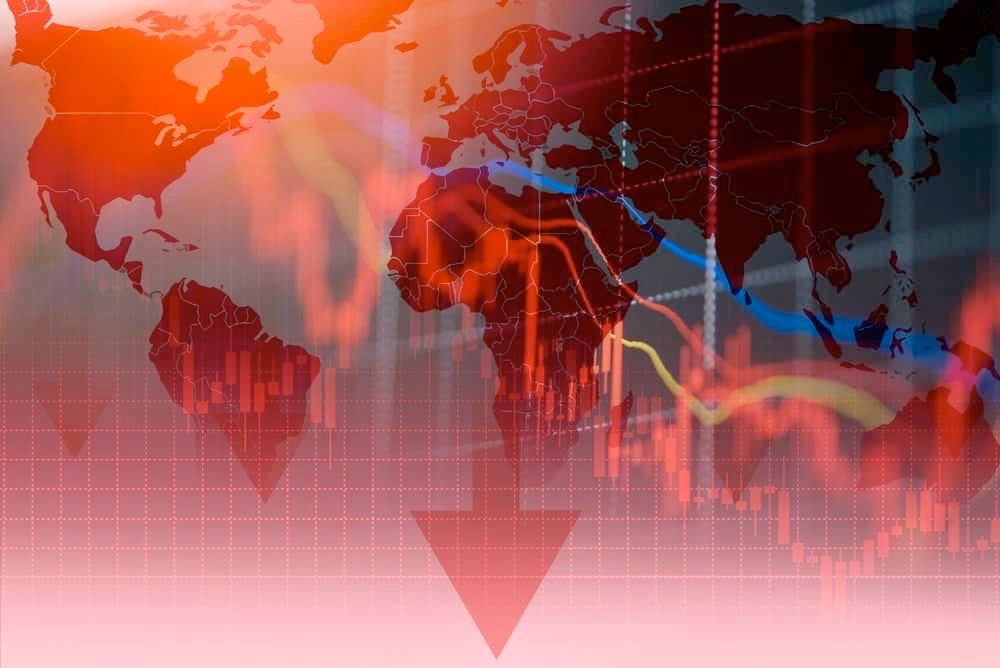
Recessions can have significant and widespread effects on financial markets and investment portfolios. Historically, market performance during a recession tends to be volatile, with declines in stock prices, increases in bond yields, and a flight to safety by investors.
Stock Market Volatility
Stock markets are often hit hard during recessions, as companies’ profits decline and investor sentiment sours. During a recession, consumers cut back on spending, leading to lower sales and earnings for businesses. This can result in a sell-off in equities, particularly in sectors such as consumer discretionary, industrials, and energy. However, not all sectors are equally affected. Defensive sectors, such as utilities, healthcare, and consumer staples, tend to perform better during recessions due to the continued demand for their products and services.
Bond Market Impact
In a recession, bond yields typically fall as investors seek safer assets. The demand for government bonds, in particular, tends to increase, pushing bond prices up and yields down. Central banks may also lower interest rates to stimulate the economy, which further drives down bond yields. For investors holding fixed-income assets, a recession can lead to lower returns on bonds, especially if interest rates remain low for an extended period.
Commodity Prices
Commodities, such as oil, gold, and industrial metals, are often affected by recessions. A slowdown in global economic activity reduces demand for industrial metals and energy, leading to lower commodity prices. However, safe-haven assets like gold often perform well during recessions, as investors look for assets that retain value in times of uncertainty.
Currency Markets
During a recession, currency markets often experience volatility as investors seek to move capital to safer assets. The U.S. dollar, as the world’s reserve currency, is often seen as a safe haven during times of economic uncertainty. As a result, the dollar tends to strengthen against other currencies, particularly those of emerging markets.
4. Expert Advice on How to Prepare for or Hedge Against an Economic Slowdown
While it’s difficult to predict the timing and severity of a recession, there are several strategies that investors can use to protect their portfolios and mitigate risks during a downturn.
Diversification
Diversifying investments across different asset classes, industries, and regions is one of the most effective ways to reduce risk during a recession. By spreading investments across stocks, bonds, commodities, and real estate, investors can reduce their exposure to any one sector or market.
Focus on Defensive Sectors
Investing in defensive sectors, such as utilities, healthcare, and consumer staples, can help protect portfolios during a recession. These sectors tend to be less sensitive to economic cycles, as their products and services are in demand regardless of the broader economic environment.
Consider Alternative Investments
Alternative investments, such as hedge funds, private equity, and commodities, can provide diversification and potential returns during periods of economic uncertainty. Gold and other precious metals, in particular, are often viewed as safe-haven assets during recessions.
Keep Cash Reserves
Maintaining cash reserves during a recession allows investors to take advantage of buying opportunities in the market when asset prices are depressed. Cash can also provide liquidity during times of uncertainty, helping investors avoid selling other assets at a loss.
Hedge Against Inflation
Investors should consider hedging against inflation during a recession by investing in assets that tend to outperform during periods of rising prices, such as inflation-linked bonds, commodities, or real estate.
Conclusion
The risks of a global recession are rising as economic indicators point to slowing growth, rising inflation, and tightening monetary policies across major economies. While recessions can be difficult to predict, they are a natural part of the economic cycle. Investors can prepare for or hedge against a potential downturn by diversifying their portfolios, focusing on defensive sectors, and considering alternative investments. By staying informed and adopting a strategic approach, investors can navigate the risks of a global recession and protect their long-term financial health.