


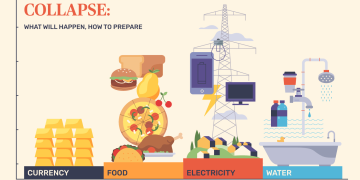







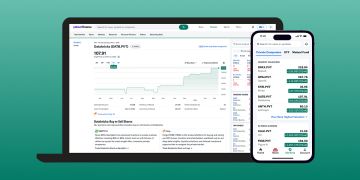







In recent years, financial markets across the globe, particularly in the United States and Europe, have experienced notable volatility. Stock markets, which have traditionally served as barometers for the broader economy, have seen sharp fluctuations due to a variety of factors including geopolitical tensions, inflationary pressures, monetary policy shifts, and the ongoing effects of the COVID-19 pandemic. This raises a critical question: Do these stock market fluctuations signal underlying risks to the global economy?
The relationship between stock market volatility and economic health is complex. While stock market declines and volatility do not necessarily predict economic recessions, they can provide valuable signals about investor sentiment, business confidence, and potential risks in the broader economy. In this article, we will explore the factors behind the recent volatility in the U.S. and European stock markets and consider whether these fluctuations indicate potential global economic risks.
1. Understanding Stock Market Volatility
Stock market volatility refers to the degree of variation in stock prices over a period of time. High volatility indicates large swings in stock prices, which can be either upward or downward. Volatility is typically measured using metrics such as the VIX index (Volatility Index), which tracks market expectations of future volatility. While volatility is a natural part of market behavior, extreme fluctuations can signal underlying concerns about economic stability.
There are various reasons why stock markets can experience volatility. These include shifts in economic indicators (such as GDP growth, inflation, and employment), changes in corporate earnings, geopolitical events, and the actions of central banks. Volatility can also be influenced by investor psychology, including fear, uncertainty, and market speculation.
2. Factors Driving Recent Stock Market Volatility in the U.S. and Europe
2.1. Inflationary Pressures and Rising Interest Rates
One of the most significant contributors to recent volatility in both the U.S. and European stock markets has been inflation. Inflation rates have surged across many advanced economies, driven by factors such as:
- Supply Chain Disruptions: The COVID-19 pandemic, combined with ongoing supply chain challenges, has led to shortages of goods and raw materials. These supply constraints, along with high demand as economies reopen, have put upward pressure on prices.
- Energy Price Spikes: The war in Ukraine has further exacerbated inflation, particularly in energy prices, with both oil and natural gas prices seeing sharp increases. These rising costs impact everything from transportation to manufacturing, leading to higher consumer prices.
In response to rising inflation, central banks, including the U.S. Federal Reserve and the European Central Bank, have raised interest rates to combat inflation. While interest rate hikes are effective in curbing inflation, they can also make borrowing more expensive, reducing consumer spending and business investment. This tightening of monetary policy can dampen economic growth, leading to concerns about potential recessions in both regions.
The announcement of interest rate hikes often causes market volatility, as investors adjust their expectations about future growth and corporate profits. The resulting pullback in stock prices can signal fears about the long-term economic outlook.
2.2. Geopolitical Risks and Global Uncertainty
Geopolitical events have historically played a significant role in stock market volatility. The ongoing war in Ukraine, for example, has created uncertainty in global financial markets. The conflict has not only caused humanitarian distress but has also led to significant disruptions in energy and food supply chains, further contributing to inflationary pressures.
Additionally, concerns over other geopolitical issues, such as rising tensions between the U.S. and China, the potential for future trade wars, and instability in the Middle East, have led investors to reevaluate their risk exposure. Geopolitical risks tend to amplify stock market volatility as investors seek safety in traditional “safe-haven” assets such as gold or government bonds, leading to sharp shifts in market sentiment.
2.3. Corporate Earnings and Economic Growth Concerns
Another major driver of volatility in U.S. and European stock markets is concerns over corporate earnings and economic growth. As inflation erodes purchasing power and interest rates rise, businesses may face increasing pressure on their profit margins. This, in turn, could lead to disappointing earnings reports and reduced market confidence.
Moreover, there are growing concerns about the potential for economic slowdowns. In the U.S., the Federal Reserve’s aggressive interest rate hikes could slow economic activity, potentially leading to a recession. Similarly, in Europe, rising energy prices and the lingering impacts of the pandemic have strained economic growth, raising the risk of a slowdown or recession.
When corporate earnings reports fail to meet market expectations, stock prices can experience sharp declines. Furthermore, as markets begin to factor in potential economic downturns, volatility tends to increase as investors adjust their portfolios in response to changing economic expectations.
2.4. Market Speculation and Investor Behavior
Investor sentiment and market speculation are often key drivers of stock market volatility. In periods of uncertainty, investors may act on emotions, such as fear and panic, rather than rational analysis, causing overreactions in stock prices. The 2008 global financial crisis and the 2020 market crash triggered by the pandemic both illustrate how sentiment-driven sell-offs can cause dramatic fluctuations in the market.
Social media, algorithmic trading, and increased participation by retail investors have also intensified market volatility. The rapid spread of information (and misinformation) can lead to swift price movements, often disconnected from the underlying economic fundamentals. For example, speculative bubbles, such as those seen in the technology sector or with certain cryptocurrencies, can also contribute to market instability.

3. Implications of Stock Market Volatility: Are There Signs of Global Economic Risk?
3.1. Stock Market Declines as a Leading Indicator
Stock markets are often seen as a leading indicator of broader economic trends. When stock markets experience sustained declines, it can signal investor concerns about the future health of the economy. However, stock market volatility is not always a clear-cut predictor of economic recessions.
While a market decline can be triggered by short-term factors, such as a corporate earnings miss or a sudden geopolitical event, it can also reflect deeper concerns about the future direction of the economy. If stock market volatility is accompanied by a sustained slowdown in economic growth, rising unemployment, and declining consumer confidence, then it may point to a potential recession or economic crisis.
Historically, stock market declines have often preceded major economic downturns, as seen during the dot-com bubble in the early 2000s and the global financial crisis of 2008. However, stock markets can also recover quickly after sharp corrections, so volatility alone should not be taken as a definitive sign of a global recession.
3.2. The Risk of Global Contagion
Another concern arising from the volatility in U.S. and European stock markets is the potential for global contagion. Both regions are deeply interconnected with the global economy, and a significant slowdown in these markets could have ripple effects across the world.
For example, many emerging markets rely on exports to the U.S. and Europe, and a downturn in these economies could reduce global demand for goods and services. Additionally, financial markets are increasingly interconnected, and a sharp decline in major stock indices could lead to a global tightening of credit and a decrease in investment.
The recent volatility in the U.S. and European stock markets has already caused some instability in emerging markets, as investors seek safer assets and pull capital out of riskier markets. This can exacerbate financial crises in countries with weaker economies and more vulnerable financial systems.
3.3. Global Inflationary Pressures and Supply Chain Risks
The inflationary pressures that have been driving stock market volatility in the U.S. and Europe are also felt globally. Many emerging economies have faced significant challenges due to rising energy and food prices, which has contributed to social unrest and political instability in some regions. If inflation continues to rise unchecked, it could undermine the economic recovery in both advanced and developing economies.
Moreover, supply chain disruptions caused by the pandemic and the war in Ukraine are creating challenges for businesses and consumers around the world. These disruptions can lead to higher costs for raw materials, delays in production, and limited availability of critical goods, which in turn can weigh on global economic growth.
4. Conclusion: Navigating the Risks and Opportunities of Volatility
While recent volatility in U.S. and European stock markets does raise important questions about the health of the global economy, it does not necessarily guarantee a global economic crisis. Stock market fluctuations are part of the normal functioning of financial markets, and many of the factors contributing to volatility, such as inflation and geopolitical tensions, are likely to be short-term in nature.
However, the underlying concerns driving market instability—such as rising inflation, economic slowdown, and geopolitical risks—are real and require careful attention. Policymakers, businesses, and investors will need to navigate this period of uncertainty with caution, focusing on economic resilience, diversification, and long-term growth strategies.
Ultimately, while stock market volatility may signal potential risks, it also presents opportunities for those who are able to identify long-term trends and make informed decisions. By remaining proactive, adaptable, and mindful of both short-term challenges and long-term objectives, the U.S. and Europe can weather the storm of volatility and continue to thrive in an increasingly uncertain global economy.