
















wealthtrend
  • Home
  • Top News
  • Global

    The Global Interest Rate Turning Point: How Central Banks Are Changing Their Policies

    The New Shape of Global Trade and Finance: How Supply Chains and Currencies Are Moving

    The Rise of Digital Money:

    Finance in a Time of Geopolitical Tension:

    The New Shape of Work: How Technology Is Changing U.S. Jobs

    The New Forces Driving Global Markets:Technology, Demographics, and the Rise of Emerging Economies

    Global Payments at an Inflection Point: How Infrastructure, Regulation, and Geopolitics Are Rewriting the Future of Money

  • Asia-Pacific
    Japan’s Slow but Steady Recovery: How an Aging Nation Is Searching for New Growth

    Japan and South Korea: Comparative Economic Analysis and Future Prospects

    Japan’s Slow but Steady Recovery: How an Aging Nation Is Searching for New Growth

    South Korea’s Economy in Transition: Challenges, Opportunities, and the Path Ahead

    Japan’s Slow but Steady Recovery: How an Aging Nation Is Searching for New Growth

    South Korea’s Economic Transformation: From Manufacturing to Technology and Services

    Japan’s Slow but Steady Recovery: How an Aging Nation Is Searching for New Growth

    Japan’s Slow but Steady Recovery: How an Aging Nation Is Searching for New Growth

    Japan’s Slow but Steady Recovery: How an Aging Nation Is Searching for New Growth

    The Rise of Asia as the Next Global Financial Center

  • Europe

    The Social Foundations of Economic Stability: How France and Germany Are Managing Inequality, Welfare, and the Future of Work

    The Energy Transition Challenge: How France and Germany Are Rebuilding Their Economic Power Through Green Transformation

    France and Germany in a Shifting Global Economy: How Both Countries Are Rebuilding Their Competitiveness

    Germany’s Economy at a Turning Point: Slow Growth, Industrial Pressure, and the Search for a New Future

    France’s Economy in a Time of Slow Growth and Social Pressure

    The New Monetary Landscape of Europe: How the Eurozone Is Redefining Its Financial Future

  • viewpoint
  • America
  • Europe and America
wealthtrend
  • Home
  • Top News
  • Global

    The Global Interest Rate Turning Point: How Central Banks Are Changing Their Policies

    The New Shape of Global Trade and Finance: How Supply Chains and Currencies Are Moving

    The Rise of Digital Money:

    Finance in a Time of Geopolitical Tension:

    The New Shape of Work: How Technology Is Changing U.S. Jobs

    The New Forces Driving Global Markets:Technology, Demographics, and the Rise of Emerging Economies

    Global Payments at an Inflection Point: How Infrastructure, Regulation, and Geopolitics Are Rewriting the Future of Money

  • Asia-Pacific
    Japan’s Slow but Steady Recovery: How an Aging Nation Is Searching for New Growth

    Japan and South Korea: Comparative Economic Analysis and Future Prospects

    Japan’s Slow but Steady Recovery: How an Aging Nation Is Searching for New Growth

    South Korea’s Economy in Transition: Challenges, Opportunities, and the Path Ahead

    Japan’s Slow but Steady Recovery: How an Aging Nation Is Searching for New Growth

    South Korea’s Economic Transformation: From Manufacturing to Technology and Services

    Japan’s Slow but Steady Recovery: How an Aging Nation Is Searching for New Growth

    Japan’s Slow but Steady Recovery: How an Aging Nation Is Searching for New Growth

    Japan’s Slow but Steady Recovery: How an Aging Nation Is Searching for New Growth

    The Rise of Asia as the Next Global Financial Center

  • Europe

    The Social Foundations of Economic Stability: How France and Germany Are Managing Inequality, Welfare, and the Future of Work

    The Energy Transition Challenge: How France and Germany Are Rebuilding Their Economic Power Through Green Transformation

    France and Germany in a Shifting Global Economy: How Both Countries Are Rebuilding Their Competitiveness

    Germany’s Economy at a Turning Point: Slow Growth, Industrial Pressure, and the Search for a New Future

    France’s Economy in a Time of Slow Growth and Social Pressure

    The New Monetary Landscape of Europe: How the Eurozone Is Redefining Its Financial Future

  • viewpoint
  • America
  • Europe and America
wealthtrend
Home Asia-Pacific

How Did 2025 Reddit-Based Fear of Japanese Debt Trigger AUD-JPY Flash Moves?

June 23, 2025
in Asia-Pacific, viewpoint
How Did 2025 Reddit-Based Fear of Japanese Debt Trigger AUD-JPY Flash Moves?

In mid-March 2025, a peculiar episode unfolded in global currency markets. On March 14, the AUD-JPY exchange rate—the bellwether of Asia-Pacific risk sentiment—plunged 2.5% during Tokyo trading hours before reversing sharply and ending the day up nearly 1.5%. A total intraday swing of 4%, the largest since April 2023, caught many institutional traders off guard. The trigger, however, wasn’t a Bank of Japan announcement or a credit downgrade. Instead, it originated from Reddit. Discussions in the /r/macrotrader subreddit about Japan’s sovereign debt levels surged 450% within a week. Self-styled retail macro investors posted warning threads with ominous titles like “Japan’s Debt Spiral Is Accelerating” and “BOJ Trapped: Collapse or Yield Explosion.” As these viral narratives spread, currency traders and risk models picked up on rising keyword signals, pushing algorithmic hedges into action. This incident raises a vital question: how could retail-driven digital fear, originating in online forums, catalyze a material flash move in one of the world’s most traded currency pairs?

At the center of the story lies the tension between perception and policy. Japan’s central bank insists its debt remains sustainable due to domestic ownership and near-zero yields. But Reddit’s user-generated macro sentiment treated those reassurances as complacency. Meanwhile, institutional players from Singapore to Zurich were left responding to signals that traditional models failed to capture. The disconnect between social media narratives and central bank orthodoxy is becoming more than a curiosity—it’s becoming a volatility generator.

The core data points paint a revealing picture. According to analytics platform MacroTrends.ai, Reddit posts tagged “Japan debt,” “YCC failure,” and “BOJ default risk” on /r/macrotrader climbed 450% from March 9 to March 15, coinciding precisely with AUD-JPY’s flash move. Cross-referencing with Refinitiv FX tracker data showed that AUD-JPY open interest and implied volatility spiked by 35% in the same window. The timing wasn’t accidental. On March 13, a viral thread titled “Japan’s Debt-to-GDP Hits 290%: BOJ Has No Exit Plan” reached the top of the subreddit with over 9,000 upvotes. Retail traders began sharing bond charts, government fiscal scenarios, and historical comparisons with Greece and Argentina—many flawed but highly engaging. Retail brokerage flows on March 14 showed a notable uptick in short-JPY positions via CFDs and leverage products, adding further pressure.

Meanwhile, the underlying fundamentals of Japan’s debt haven’t materially changed. As of Q1 2025, Japan’s gross debt-to-GDP ratio stood at 291%, the highest among developed nations. Yet the vast majority of the debt is domestically held, and BOJ still controls over 50% of the sovereign bond market through its yield curve control (YCC) operations. Since abandoning the strict 0.5% cap in late 2023, the BOJ has allowed the 10-year JGB yield to fluctuate more freely, currently hovering around 1.12%—still low by global standards but double the rate just a year prior. The central bank maintains that Japan’s fiscal trajectory is manageable due to structural deflationary forces, high domestic savings, and institutional trust.

So why did sentiment turn so sharply? Part of the answer lies in algorithmic amplification. Several hedge funds and systematic traders confirmed that they use sentiment-scanning algorithms that monitor Reddit, Twitter, and niche financial forums. When Reddit discussions spiked, and Japanese debt was frequently mentioned alongside terms like “crisis,” “implosion,” and “currency collapse,” risk models flagged potential regime change. This triggered automated hedging, particularly in JPY-linked pairs. The Australian dollar, often viewed as a proxy for Asia-Pacific growth and a higher-yielding currency, became the other side of the JPY bet. Thus, AUD-JPY volatility exploded.

The cross-market impact extended well beyond FX. Japan’s government bonds experienced a brief selloff on March 14, with the 10-year yield rising from 1.08% to 1.17% intraday before settling. Bond ETFs with Japanese exposure, including the iShares Japan Treasury ETF and global fixed income funds like the Vanguard International Bond ETF, fell between 1.2% and 1.8% on the day. While not catastrophic, the moves were sharp enough to trigger risk-parity rebalancing and draw attention from multi-asset allocators. Simultaneously, the MSCI Asia-Pacific Index dropped 1.1%, led by financials and export-heavy stocks in Japan and South Korea. The Australian ASX 200 edged lower as well, reflecting concern over regional volatility.
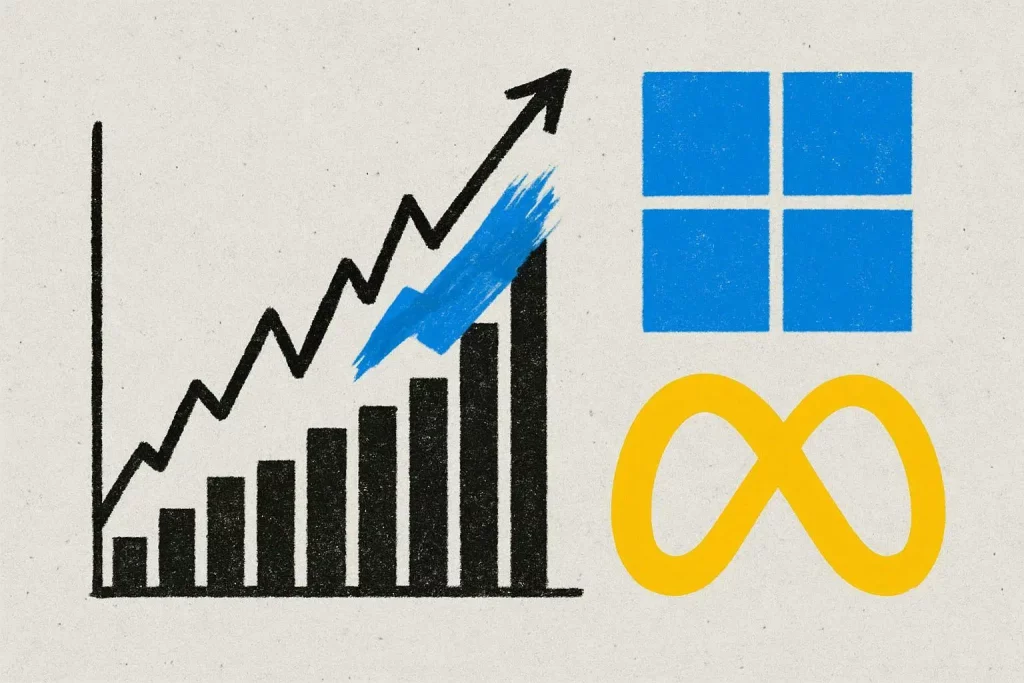
This pattern echoes past digital-driven volatility episodes, such as the 2021 GameStop short squeeze and the 2023 SPAC delistings. But the AUD-JPY move is the first notable instance where crowd-sourced macro narratives directly affected a G10 FX pair with central bank credibility at stake. In contrast to meme stocks or small-cap crypto, sovereign debt and FX markets are generally deemed too deep and institutional to be swayed by Reddit. That perception may need to be revised.

Experts remain divided on how seriously to take this incident. The Bank of Japan was quick to respond. In a March 15 statement, Deputy Governor Masazumi Wakatabe reaffirmed that “Japan’s fiscal health is under continuous monitoring and does not represent systemic risk.” He called the Reddit-driven narratives “uninformed noise” and dismissed comparisons to emerging market defaults. Japanese policymakers continue to stress the BOJ’s ability to sterilize debt issuance and maintain domestic investor confidence, given that over 90% of the government debt is held within Japan.

However, others see this event as more than noise. Singapore’s sovereign wealth fund GIC, in a closed-door briefing to clients on March 18, reportedly highlighted the Reddit-based sentiment spike as a “non-traditional signal of growing tail-risk sensitivity.” Their internal note emphasized that retail macro narratives—regardless of accuracy—are starting to precede institutional price action. The GIC research team advised portfolio managers to integrate social sentiment feeds into existing macro models, especially for markets with high debt exposure or monetary inflexibility.

Global asset managers also took notice. BlackRock’s April 2025 Emerging Risk Memo noted that “non-fundamental volatility events may increasingly originate from platforms previously dismissed as retail-dominated.” Meanwhile, a senior FX strategist at Morgan Stanley commented that “we are entering a new era where information asymmetry is narrowing—not because institutions know more, but because retail sentiment data is more accessible and faster-moving.”

Not all analysts agree. Rabobank’s head of FX research argued that the AUD-JPY move was “overinterpreted” and more likely the result of low liquidity conditions coinciding with Japan’s fiscal year-end. “Yes, Reddit posts spiked, but positioning and month-end flows also played a large role,” the report noted. Similarly, economists at HSBC emphasized that Japan’s real economy fundamentals, including export strength and low unemployment, remain intact.

Looking forward, three possible scenarios emerge for how Reddit-driven fear could shape Japanese markets in 2025. In an optimistic scenario, this March episode remains an isolated event. Markets normalize, volatility falls, and BOJ successfully anchors yield expectations. Reddit sentiment cools, and traders refocus on fundamentals. A neutral scenario sees periodic spikes in JPY volatility linked to viral debt panic threads, but no lasting damage to BOJ credibility or ETF outflows. In this case, central banks may begin engaging more with retail audiences to counter misinformation. The pessimistic scenario is one in which Reddit-based fear cycles gain momentum, leading to self-fulfilling feedback loops. In this version, speculative FX flows destabilize JPY repeatedly, bond yields creep higher, and BOJ is forced into emergency intervention—undermining its ultra-loose monetary stance.

For investors, several strategies emerge. First, incorporate social sentiment monitoring into FX models. Platforms like Reddit and X (formerly Twitter) are no longer just noise—they can be early indicators of sentiment inflection. Second, track implied volatility and open interest in AUD-JPY and other JPY pairs. Spikes in these indicators may signal broader macro unease. Third, stay attuned to policy language from the BOJ, especially any shifts in how they address public debt concerns. Finally, investors in global bond ETFs should be aware that Japanese debt may no longer be a passive safe harbor.

In conclusion, the March 2025 AUD-JPY flash move underscores a new dynamic in global markets: the convergence of social sentiment and institutional price action. While the Bank of Japan downplayed systemic risk, and traditional analysts pointed to technical flows, the Reddit-driven spike in debt fear shows that digital narratives can move even the deepest markets when timing, leverage, and sentiment align. Whether this episode is a one-off anomaly or a warning sign of deeper fragility will depend on how markets digest retail-driven macro narratives going forward.

Will social sentiment become the next key input in sovereign risk models, or will central banks regain control of the narrative before volatility spreads further?


Tags: 2024 economic outlookAsia supply chainsFederal Reserve policyUS tech stocks
ShareTweetShare

Related Posts

Japan’s Slow but Steady Recovery: How an Aging Nation Is Searching for New Growth
Asia-Pacific

Japan and South Korea: Comparative Economic Analysis and Future Prospects

December 1, 2025
Japan’s Slow but Steady Recovery: How an Aging Nation Is Searching for New Growth
Asia-Pacific

South Korea’s Economy in Transition: Challenges, Opportunities, and the Path Ahead

December 1, 2025
Japan’s Slow but Steady Recovery: How an Aging Nation Is Searching for New Growth
Asia-Pacific

South Korea’s Economic Transformation: From Manufacturing to Technology and Services

December 1, 2025
Japan’s Slow but Steady Recovery: How an Aging Nation Is Searching for New Growth
Asia-Pacific

December 1, 2025
Japan’s Slow but Steady Recovery: How an Aging Nation Is Searching for New Growth
Asia-Pacific

Japan’s Slow but Steady Recovery: How an Aging Nation Is Searching for New Growth

December 1, 2025
Asia-Pacific

The Rise of Asia as the Next Global Financial Center

November 27, 2025
Load More
Leave Comment
  • Bitcoin on a rollercoaster ride The whole network more than 110,000 people exploded warehouse 2.9 billion yuan evaporation in 24 hours! What’s going on?

    Bitcoin on a rollercoaster ride The whole network more than 110,000 people exploded warehouse 2.9 billion yuan evaporation in 24 hours! What’s going on?

    0 shares
    Share 0 Tweet 0
  • There are always unconvinced want to try! The size of Nvidia’s short position is now comparable to Apple and Tesla combined

    0 shares
    Share 0 Tweet 0
  • The probability is about 75%! Will the G7 fall?

    0 shares
    Share 0 Tweet 0
  • A number of data point to the Japanese government intervention in the currency market after the “5 trillion” still depends on the United States

    0 shares
    Share 0 Tweet 0
  • How far can Tech stocks go to split on Fed expectations?

    0 shares
    Share 0 Tweet 0

Hot

The New Inflation Puzzle: Why Europe and the United States Are Struggling With Different Price Pressures

The New Economic Landscape of Europe and the United States: How 2025 is Reshaping Growth Models

December 3, 2025
The New Inflation Puzzle: Why Europe and the United States Are Struggling With Different Price Pressures

Transatlantic Trade Shifts: How Europe and the United States Are Redefining Economic Partnerships in 2025

December 3, 2025
The New Inflation Puzzle: Why Europe and the United States Are Struggling With Different Price Pressures

The Energy Transition Divide: How Europe and the United States Are Taking Different Paths Toward a Green Economy

December 3, 2025
The New Inflation Puzzle: Why Europe and the United States Are Struggling With Different Price Pressures

The New Workforce Challenge: How Europe and the United States Are Struggling With Talent Shortages and Productivity Slowdowns

December 3, 2025
The New Inflation Puzzle: Why Europe and the United States Are Struggling With Different Price Pressures

The New Inflation Puzzle: Why Europe and the United States Are Struggling With Different Price Pressures

December 3, 2025

The Social Foundations of Economic Stability: How France and Germany Are Managing Inequality, Welfare, and the Future of Work

December 2, 2025

The Energy Transition Challenge: How France and Germany Are Rebuilding Their Economic Power Through Green Transformation

December 2, 2025

France and Germany in a Shifting Global Economy: How Both Countries Are Rebuilding Their Competitiveness

December 2, 2025

Germany’s Economy at a Turning Point: Slow Growth, Industrial Pressure, and the Search for a New Future

December 2, 2025

France’s Economy in a Time of Slow Growth and Social Pressure

December 2, 2025
The New Inflation Puzzle: Why Europe and the United States Are Struggling With Different Price Pressures
Europe and America

The New Economic Landscape of Europe and the United States: How 2025 is Reshaping Growth Models

December 3, 2025
The New Inflation Puzzle: Why Europe and the United States Are Struggling With Different Price Pressures
Europe and America

Transatlantic Trade Shifts: How Europe and the United States Are Redefining Economic Partnerships in 2025

December 3, 2025
The New Inflation Puzzle: Why Europe and the United States Are Struggling With Different Price Pressures
Europe and America

The Energy Transition Divide: How Europe and the United States Are Taking Different Paths Toward a Green Economy

December 3, 2025
The New Inflation Puzzle: Why Europe and the United States Are Struggling With Different Price Pressures
Europe and America

The New Workforce Challenge: How Europe and the United States Are Struggling With Talent Shortages and Productivity Slowdowns

December 3, 2025
wealthtrend

WealthTrend, as the leading financial information service platform in the industry, provides comprehensive, timely and accurate financial information services for investors and financial practitioners by virtue of its deep industry background, clear service purpose and unique characteristics.

Copyright © 2025 Contact: [email protected]

No Result
View All Result
  • Home
  • Top News
  • Global
  • Asia-Pacific
  • Europe
  • viewpoint
  • America
  • Europe and America

Copyright © 2025 Contact: [email protected]

Welcome Back!

Login to your account below

Forgotten Password?

Retrieve your password

Please enter your username or email address to reset your password.

Log In