












wealthtrend
  • Home
  • Top News
  • Global

    The Global Interest Rate Turning Point: How Central Banks Are Changing Their Policies

    The New Shape of Global Trade and Finance: How Supply Chains and Currencies Are Moving

    The Rise of Digital Money:

    Finance in a Time of Geopolitical Tension:

    The New Shape of Work: How Technology Is Changing U.S. Jobs

    The New Forces Driving Global Markets:Technology, Demographics, and the Rise of Emerging Economies

    Global Payments at an Inflection Point: How Infrastructure, Regulation, and Geopolitics Are Rewriting the Future of Money

  • Asia-Pacific
    Japan’s Slow but Steady Recovery: How an Aging Nation Is Searching for New Growth

    Japan and South Korea: Comparative Economic Analysis and Future Prospects

    Japan’s Slow but Steady Recovery: How an Aging Nation Is Searching for New Growth

    South Korea’s Economy in Transition: Challenges, Opportunities, and the Path Ahead

    Japan’s Slow but Steady Recovery: How an Aging Nation Is Searching for New Growth

    South Korea’s Economic Transformation: From Manufacturing to Technology and Services

    Japan’s Slow but Steady Recovery: How an Aging Nation Is Searching for New Growth

    Japan’s Slow but Steady Recovery: How an Aging Nation Is Searching for New Growth

    Japan’s Slow but Steady Recovery: How an Aging Nation Is Searching for New Growth

    The Rise of Asia as the Next Global Financial Center

  • Europe

    The Social Foundations of Economic Stability: How France and Germany Are Managing Inequality, Welfare, and the Future of Work

    The Energy Transition Challenge: How France and Germany Are Rebuilding Their Economic Power Through Green Transformation

    France and Germany in a Shifting Global Economy: How Both Countries Are Rebuilding Their Competitiveness

    Germany’s Economy at a Turning Point: Slow Growth, Industrial Pressure, and the Search for a New Future

    France’s Economy in a Time of Slow Growth and Social Pressure

    The New Monetary Landscape of Europe: How the Eurozone Is Redefining Its Financial Future

  • viewpoint
  • America
  • Europe and America
wealthtrend
  • Home
  • Top News
  • Global

    The Global Interest Rate Turning Point: How Central Banks Are Changing Their Policies

    The New Shape of Global Trade and Finance: How Supply Chains and Currencies Are Moving

    The Rise of Digital Money:

    Finance in a Time of Geopolitical Tension:

    The New Shape of Work: How Technology Is Changing U.S. Jobs

    The New Forces Driving Global Markets:Technology, Demographics, and the Rise of Emerging Economies

    Global Payments at an Inflection Point: How Infrastructure, Regulation, and Geopolitics Are Rewriting the Future of Money

  • Asia-Pacific
    Japan’s Slow but Steady Recovery: How an Aging Nation Is Searching for New Growth

    Japan and South Korea: Comparative Economic Analysis and Future Prospects

    Japan’s Slow but Steady Recovery: How an Aging Nation Is Searching for New Growth

    South Korea’s Economy in Transition: Challenges, Opportunities, and the Path Ahead

    Japan’s Slow but Steady Recovery: How an Aging Nation Is Searching for New Growth

    South Korea’s Economic Transformation: From Manufacturing to Technology and Services

    Japan’s Slow but Steady Recovery: How an Aging Nation Is Searching for New Growth

    Japan’s Slow but Steady Recovery: How an Aging Nation Is Searching for New Growth

    Japan’s Slow but Steady Recovery: How an Aging Nation Is Searching for New Growth

    The Rise of Asia as the Next Global Financial Center

  • Europe

    The Social Foundations of Economic Stability: How France and Germany Are Managing Inequality, Welfare, and the Future of Work

    The Energy Transition Challenge: How France and Germany Are Rebuilding Their Economic Power Through Green Transformation

    France and Germany in a Shifting Global Economy: How Both Countries Are Rebuilding Their Competitiveness

    Germany’s Economy at a Turning Point: Slow Growth, Industrial Pressure, and the Search for a New Future

    France’s Economy in a Time of Slow Growth and Social Pressure

    The New Monetary Landscape of Europe: How the Eurozone Is Redefining Its Financial Future

  • viewpoint
  • America
  • Europe and America
wealthtrend
Home Asia-Pacific

ASX 200 Defies Global Trends — Which Sector Is Truly Powering Australia’s Market Surge?

July 29, 2025
in Asia-Pacific, Financial express, Futures information
ASX 200 Defies Global Trends — Which Sector Is Truly Powering Australia’s Market Surge?

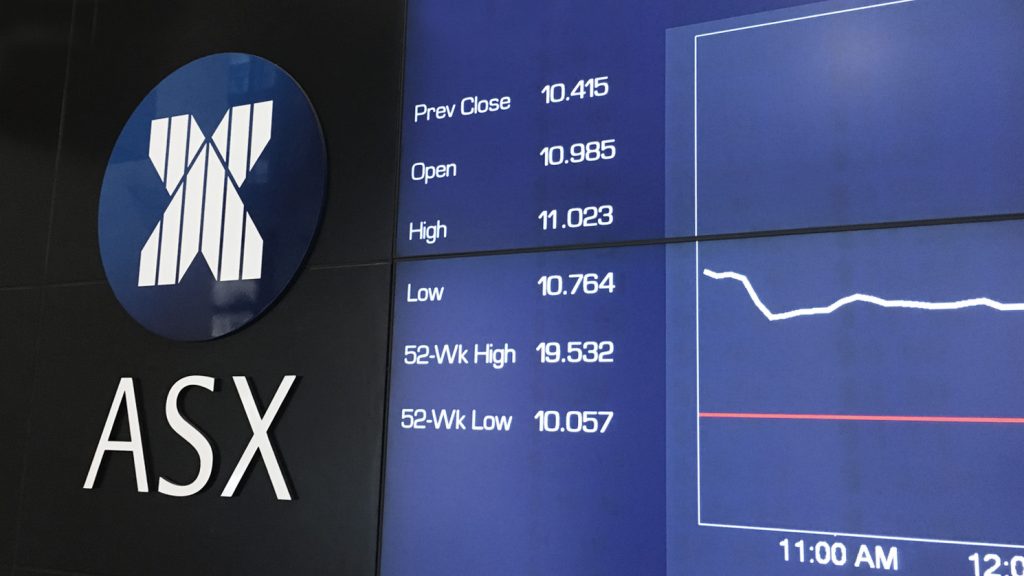
Amid global market uncertainty, rising interest rates, and geopolitical headwinds, the ASX 200 has quietly emerged as a regional outperformer in 2025. While major indices across Europe and North America wrestle with rate-induced slowdowns, Australia’s benchmark has shown unexpected resilience, even notching gains in the face of global equity volatility.

But behind the headline index movement lies a deeper, more nuanced story.
Which sector is truly driving this performance?
Is it the traditional stalwarts like mining and banking—or are newer, under-the-radar sectors rewriting the narrative of Australian growth?

In this article, we dissect the capital flows, earnings momentum, and macro tailwinds behind the ASX 200’s strength, zooming in on which industries are doing the heavy lifting, and why investors globally are starting to pay close attention.


I. The ASX 200: A Snapshot of Strength in a Fragmented Global Landscape

As of Q3 2025:

  • The ASX 200 is up nearly 14% YTD, outperforming the MSCI World Index and major regional peers including Japan’s Topix and Hong Kong’s Hang Seng.
  • Volatility has remained relatively low, with fewer large drawdowns despite external shocks.
  • Several sectors have posted double-digit earnings growth, defying macro headwinds.

This performance isn’t coincidental — it reflects both sector resilience and targeted investor conviction, particularly from domestic institutions and foreign fund managers seeking commodity-backed stability and yield diversification.


II. Not All Sectors Are Created Equal — A Look at ASX 200 Composition

The ASX 200 is notably skewed toward financials and resources, together accounting for nearly 50% of the index. But recent leadership has shifted subtly, with some historically defensive sectors ceding ground to emerging powerhouses.

Top 5 Sectors by Index Weight:

  1. Financials (banks, insurers)
  2. Materials (miners, commodity exporters)
  3. Healthcare
  4. Consumer discretionary & staples
  5. Real estate & infrastructure

While all have contributed to the rally in some measure, one sector has pulled decisively ahead in 2025.


III. The Standout Winner: Energy & Critical Minerals

1. Energy Stocks: Riding the Global Supply Crunch

  • Energy producers, especially LNG and natural gas exporters, have been the unexpected stars of the ASX rally.
  • Global energy prices have remained elevated due to geopolitical risks (Middle East tensions, Ukraine war escalation) and OPEC+ production limits.
  • Australian firms like Woodside Energy and Santos have benefited from long-term supply contracts to Asian markets (Japan, Korea, China), providing stable earnings and dividend support.

2. Lithium & Rare Earths: Rebounding with Strategic Relevance

  • After a 2023–24 correction, lithium and rare earth miners have staged a powerful comeback in 2025.
  • Rising global EV demand, Chinese export controls, and U.S.–EU push for non-China critical mineral supply chains have redirected investor focus back to Australian producers.
  • Companies like Pilbara Minerals, IGO Ltd, and Lynas Rare Earths have attracted strong foreign capital inflows, particularly from ESG and green energy funds in Europe and North America.

Together, these sub-sectors have outpaced the broader market, posting 25–40% gains YTD and lifting the materials and energy complex significantly above index average.


IV. Other Key Contributors

1. Financials: Resilient, But No Longer the Growth Engine

  • Australia’s Big Four banks have delivered stable results, thanks to margin expansion from higher rates and low default rates.
  • However, credit growth has slowed slightly, and concerns around mortgage stress and consumer debt have capped upside.
  • That said, dividends remain attractive, and global investors continue to value Australian banks for their regulatory clarity and capital strength.

2. Healthcare: Quietly Rebuilding Momentum

  • Firms like CSL Ltd and ResMed have seen a moderate recovery, especially with stabilized biotech demand and improved global logistics.
  • The healthcare sector has benefited from a global rotation back into defensive growth, especially as U.S. healthcare valuations became stretched.

3. Infrastructure & Utilities: A Safe Haven

  • With rising inflation and interest rates peaking, infrastructure plays with real asset backing (toll roads, ports, energy grids) are increasingly attractive.
  • These names have offered inflation-linked cash flows and stable returns, making them appealing to superannuation funds and sovereign wealth capital.
V. Foreign Capital Flows: What’s Driving Offshore Interest in ASX?

  • U.S. and UK fund managers are rotating out of China risk and into resource-rich democracies, with Australia at the top of the list.
  • The weak AUD has also enhanced relative value, drawing short-term capital into stocks with global earnings.
  • ESG mandates are pushing capital into critical minerals, green hydrogen, and carbon transition plays, where Australia is perceived as a stable, low-political-risk supplier.

This foreign demand has provided a steady bid for specific sectors, especially those with high free float and offshore sales exposure.


VI. Macro Policy Support & Consumer Trends

1. RBA Policy Clarity

  • The Reserve Bank of Australia (RBA) has signaled a peak in the rate cycle, with no further hikes expected unless wage growth reaccelerates.
  • This has removed uncertainty and improved sentiment for equities — particularly rate-sensitive sectors like real estate, infrastructure, and utilities.

2. Consumer Resilience in a Slowing World

  • While real wages remain under pressure, Australia’s consumer economy has proven more robust than expected, thanks to:
    • Strong employment levels
    • Rebounding tourism and service exports
    • Continued government stimulus in green infrastructure

VII. What to Watch Going Forward

Bullish Tailwinds:

  • Stabilization of China’s economy could further boost materials exports.
  • Continued geopolitical support for “friendshoring” boosts Australian critical minerals.
  • Further foreign allocation rotation could deepen liquidity and re-rate valuations.

Bearish Risks:

  • A sharp reversal in commodity prices would hit materials and energy stocks hard.
  • Any hawkish surprises from the RBA may pressure housing and retail sectors.
  • Weak consumer data or falling corporate confidence could sap earnings momentum.

VIII. Conclusion: One Rally, Uneven Drivers

The ASX 200’s 2025 rally is not a monolith. It is driven primarily by a powerful surge in energy and strategic mining sectors, cushioned by stability in banks and renewed investor interest in green-linked commodities. While financials and healthcare continue to play a supporting role, the true engine of performance lies in Australia’s role as a critical global supplier in an era of fragmented geopolitics and supply chain realignment.

For investors, the message is clear:
Follow the capital into sectors where Australia holds long-term strategic leverage — and where global demand meets local capability.

The ASX may be quietly surging, but the capital story behind it is anything but silent.

Tags: Asia-PacificASX 200economyfinanceFinance and economicsFinancial expressFutures informationglobal
ShareTweetShare

Related Posts

Japan’s Slow but Steady Recovery: How an Aging Nation Is Searching for New Growth
Asia-Pacific

Japan and South Korea: Comparative Economic Analysis and Future Prospects

December 1, 2025
Japan’s Slow but Steady Recovery: How an Aging Nation Is Searching for New Growth
Asia-Pacific

South Korea’s Economy in Transition: Challenges, Opportunities, and the Path Ahead

December 1, 2025
Japan’s Slow but Steady Recovery: How an Aging Nation Is Searching for New Growth
Asia-Pacific

South Korea’s Economic Transformation: From Manufacturing to Technology and Services

December 1, 2025
Japan’s Slow but Steady Recovery: How an Aging Nation Is Searching for New Growth
Asia-Pacific

December 1, 2025
Japan’s Slow but Steady Recovery: How an Aging Nation Is Searching for New Growth
Asia-Pacific

Japan’s Slow but Steady Recovery: How an Aging Nation Is Searching for New Growth

December 1, 2025
Asia-Pacific

The Rise of Asia as the Next Global Financial Center

November 27, 2025
Load More
Leave Comment
  • Bitcoin on a rollercoaster ride The whole network more than 110,000 people exploded warehouse 2.9 billion yuan evaporation in 24 hours! What’s going on?

    Bitcoin on a rollercoaster ride The whole network more than 110,000 people exploded warehouse 2.9 billion yuan evaporation in 24 hours! What’s going on?

    0 shares
    Share 0 Tweet 0
  • There are always unconvinced want to try! The size of Nvidia’s short position is now comparable to Apple and Tesla combined

    0 shares
    Share 0 Tweet 0
  • The probability is about 75%! Will the G7 fall?

    0 shares
    Share 0 Tweet 0
  • A number of data point to the Japanese government intervention in the currency market after the “5 trillion” still depends on the United States

    0 shares
    Share 0 Tweet 0
  • How far can Tech stocks go to split on Fed expectations?

    0 shares
    Share 0 Tweet 0

Hot

The New Inflation Puzzle: Why Europe and the United States Are Struggling With Different Price Pressures

The New Economic Landscape of Europe and the United States: How 2025 is Reshaping Growth Models

December 3, 2025
The New Inflation Puzzle: Why Europe and the United States Are Struggling With Different Price Pressures

Transatlantic Trade Shifts: How Europe and the United States Are Redefining Economic Partnerships in 2025

December 3, 2025
The New Inflation Puzzle: Why Europe and the United States Are Struggling With Different Price Pressures

The Energy Transition Divide: How Europe and the United States Are Taking Different Paths Toward a Green Economy

December 3, 2025
The New Inflation Puzzle: Why Europe and the United States Are Struggling With Different Price Pressures

The New Workforce Challenge: How Europe and the United States Are Struggling With Talent Shortages and Productivity Slowdowns

December 3, 2025
The New Inflation Puzzle: Why Europe and the United States Are Struggling With Different Price Pressures

The New Inflation Puzzle: Why Europe and the United States Are Struggling With Different Price Pressures

December 3, 2025

The Social Foundations of Economic Stability: How France and Germany Are Managing Inequality, Welfare, and the Future of Work

December 2, 2025

The Energy Transition Challenge: How France and Germany Are Rebuilding Their Economic Power Through Green Transformation

December 2, 2025

France and Germany in a Shifting Global Economy: How Both Countries Are Rebuilding Their Competitiveness

December 2, 2025

Germany’s Economy at a Turning Point: Slow Growth, Industrial Pressure, and the Search for a New Future

December 2, 2025

France’s Economy in a Time of Slow Growth and Social Pressure

December 2, 2025
The New Inflation Puzzle: Why Europe and the United States Are Struggling With Different Price Pressures
Europe and America

The New Economic Landscape of Europe and the United States: How 2025 is Reshaping Growth Models

December 3, 2025
The New Inflation Puzzle: Why Europe and the United States Are Struggling With Different Price Pressures
Europe and America

Transatlantic Trade Shifts: How Europe and the United States Are Redefining Economic Partnerships in 2025

December 3, 2025
The New Inflation Puzzle: Why Europe and the United States Are Struggling With Different Price Pressures
Europe and America

The Energy Transition Divide: How Europe and the United States Are Taking Different Paths Toward a Green Economy

December 3, 2025
The New Inflation Puzzle: Why Europe and the United States Are Struggling With Different Price Pressures
Europe and America

The New Workforce Challenge: How Europe and the United States Are Struggling With Talent Shortages and Productivity Slowdowns

December 3, 2025
wealthtrend

WealthTrend, as the leading financial information service platform in the industry, provides comprehensive, timely and accurate financial information services for investors and financial practitioners by virtue of its deep industry background, clear service purpose and unique characteristics.

Copyright © 2025 Contact: [email protected]

No Result
View All Result
  • Home
  • Top News
  • Global
  • Asia-Pacific
  • Europe
  • viewpoint
  • America
  • Europe and America

Copyright © 2025 Contact: [email protected]

Welcome Back!

Login to your account below

Forgotten Password?

Retrieve your password

Please enter your username or email address to reset your password.

Log In