
















wealthtrend
  • Home
  • Top News
  • Global

    The Global Interest Rate Turning Point: How Central Banks Are Changing Their Policies

    The New Shape of Global Trade and Finance: How Supply Chains and Currencies Are Moving

    The Rise of Digital Money:

    Finance in a Time of Geopolitical Tension:

    The New Shape of Work: How Technology Is Changing U.S. Jobs

    The New Forces Driving Global Markets:Technology, Demographics, and the Rise of Emerging Economies

    Global Payments at an Inflection Point: How Infrastructure, Regulation, and Geopolitics Are Rewriting the Future of Money

  • Asia-Pacific
    Japan’s Slow but Steady Recovery: How an Aging Nation Is Searching for New Growth

    Japan and South Korea: Comparative Economic Analysis and Future Prospects

    Japan’s Slow but Steady Recovery: How an Aging Nation Is Searching for New Growth

    South Korea’s Economy in Transition: Challenges, Opportunities, and the Path Ahead

    Japan’s Slow but Steady Recovery: How an Aging Nation Is Searching for New Growth

    South Korea’s Economic Transformation: From Manufacturing to Technology and Services

    Japan’s Slow but Steady Recovery: How an Aging Nation Is Searching for New Growth

    Japan’s Slow but Steady Recovery: How an Aging Nation Is Searching for New Growth

    Japan’s Slow but Steady Recovery: How an Aging Nation Is Searching for New Growth

    The Rise of Asia as the Next Global Financial Center

  • Europe

    The Social Foundations of Economic Stability: How France and Germany Are Managing Inequality, Welfare, and the Future of Work

    The Energy Transition Challenge: How France and Germany Are Rebuilding Their Economic Power Through Green Transformation

    France and Germany in a Shifting Global Economy: How Both Countries Are Rebuilding Their Competitiveness

    Germany’s Economy at a Turning Point: Slow Growth, Industrial Pressure, and the Search for a New Future

    France’s Economy in a Time of Slow Growth and Social Pressure

    The New Monetary Landscape of Europe: How the Eurozone Is Redefining Its Financial Future

  • viewpoint
  • America
  • Europe and America
wealthtrend
  • Home
  • Top News
  • Global

    The Global Interest Rate Turning Point: How Central Banks Are Changing Their Policies

    The New Shape of Global Trade and Finance: How Supply Chains and Currencies Are Moving

    The Rise of Digital Money:

    Finance in a Time of Geopolitical Tension:

    The New Shape of Work: How Technology Is Changing U.S. Jobs

    The New Forces Driving Global Markets:Technology, Demographics, and the Rise of Emerging Economies

    Global Payments at an Inflection Point: How Infrastructure, Regulation, and Geopolitics Are Rewriting the Future of Money

  • Asia-Pacific
    Japan’s Slow but Steady Recovery: How an Aging Nation Is Searching for New Growth

    Japan and South Korea: Comparative Economic Analysis and Future Prospects

    Japan’s Slow but Steady Recovery: How an Aging Nation Is Searching for New Growth

    South Korea’s Economy in Transition: Challenges, Opportunities, and the Path Ahead

    Japan’s Slow but Steady Recovery: How an Aging Nation Is Searching for New Growth

    South Korea’s Economic Transformation: From Manufacturing to Technology and Services

    Japan’s Slow but Steady Recovery: How an Aging Nation Is Searching for New Growth

    Japan’s Slow but Steady Recovery: How an Aging Nation Is Searching for New Growth

    Japan’s Slow but Steady Recovery: How an Aging Nation Is Searching for New Growth

    The Rise of Asia as the Next Global Financial Center

  • Europe

    The Social Foundations of Economic Stability: How France and Germany Are Managing Inequality, Welfare, and the Future of Work

    The Energy Transition Challenge: How France and Germany Are Rebuilding Their Economic Power Through Green Transformation

    France and Germany in a Shifting Global Economy: How Both Countries Are Rebuilding Their Competitiveness

    Germany’s Economy at a Turning Point: Slow Growth, Industrial Pressure, and the Search for a New Future

    France’s Economy in a Time of Slow Growth and Social Pressure

    The New Monetary Landscape of Europe: How the Eurozone Is Redefining Its Financial Future

  • viewpoint
  • America
  • Europe and America
wealthtrend
Home Europe

Post-Brexit Financial Regulation: How Should Investors Adjust Cross-Border Allocation Strategies?

August 1, 2025
in Europe, Financial express, Futures information
Post-Brexit Financial Regulation: How Should Investors Adjust Cross-Border Allocation Strategies?

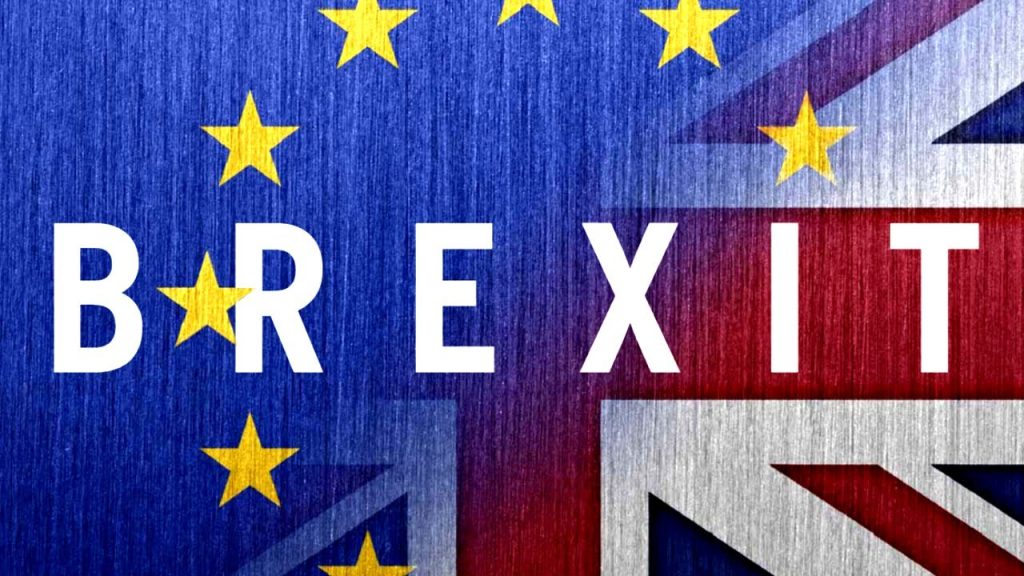
United Kingdom leaving the European Union represented in puzzle pieces.


Introduction

Since the United Kingdom formally exited the European Union, financial services have become one of the most complex and strategically important areas of regulatory divergence. No longer operating under the EU’s passporting system, UK-based firms lost automatic access to the single market. In response, the UK has begun crafting an independent financial regulatory framework aimed at promoting flexibility, innovation, and global competitiveness. This shift, however, introduces legal and compliance complexities for cross-border investors.

As UK and EU regulations continue to diverge, investors must reassess how they structure portfolios, manage compliance, and allocate capital across borders. Understanding the key regulatory developments and adapting to a fragmented landscape are now essential for institutional and private investors alike.


I. The Post-Brexit Regulatory Landscape

1. Loss of Passporting and Emergence of Equivalence

Before Brexit, UK-based financial institutions could offer services across the EU without needing separate licenses in each member state, thanks to the EU passporting regime. Post-Brexit, this system no longer applies. While certain temporary equivalence decisions have been granted by the EU—for example, in clearing services—they remain limited and subject to political dynamics.

The UK, in contrast, has adopted a more open equivalence framework, unilaterally recognizing certain EU financial services and infrastructure providers. However, this asymmetry does not grant reciprocal access for UK firms into the EU.

2. Regulatory Divergence and Domestic Reform

The UK has signaled its intention to diverge in several key areas:

  • Solvency II Reform: The UK plans to relax capital requirements for insurers to promote investment in infrastructure and green finance.
  • MiFID II Review: Amendments include easing research payment rules and simplifying reporting burdens for investment firms.
  • Listing Rules Reform: The UK aims to attract more IPOs and high-growth companies by reducing regulatory friction on the London Stock Exchange.

Such reforms aim to make the UK a more attractive global financial hub, but they create growing complexity for cross-border compliance, particularly in portfolio management, fund distribution, and custody operations.

3. The Rise of Bilateral Agreements and Global Positioning

With no comprehensive UK–EU financial services agreement, firms have increasingly turned to national regimes and bilateral arrangements. UK institutions have opened EU subsidiaries—often in Dublin, Frankfurt, or Paris—to maintain access. Conversely, some EU firms have established UK operations to serve domestic clients.

The UK is also strengthening ties with non-EU markets. Recent agreements with Singapore, Switzerland, and the U.S. reflect a pivot toward global markets and regulatory cooperation based on outcomes rather than rules alignment.


II. Investment Strategy Implications

1. Reassessing Market Access and Legal Structures

Investors must now scrutinize where asset managers, custodians, and brokers are licensed and regulated. This affects:

  • Fund selection: EU-domiciled UCITS may no longer be freely marketable in the UK without specific recognition under the Temporary Permissions Regime (TPR).
  • Management mandates: Delegation of portfolio management from EU funds to UK managers remains under scrutiny by EU regulators.
  • Custody and execution: Choice of service providers may depend on jurisdictional licensing and data handling rules.

Cross-border fund platforms and wealth managers must map regulatory permissions in each relevant jurisdiction to ensure legal compliance and client continuity.

2. Currency and Hedging Considerations

Sterling volatility remains elevated post-Brexit due to macroeconomic uncertainty and trade friction. For portfolios with UK–EU exposure, investors should consider:

  • Hedging currency risk between GBP and EUR.
  • Evaluating relative inflation trends and monetary policy divergence between the Bank of England and the European Central Bank.
  • Adjusting fixed income exposure based on yield differentials and central bank guidance.

3. Asset Class Rotation and Exposure Adjustments

Post-Brexit regulatory reform is altering the competitive landscape of UK financial markets:

  • Equities: London remains Europe’s deepest equity market, but IPO activity has slowed. UK listings reforms may revive investor interest in tech and growth names.
  • Fixed Income: Gilt markets remain liquid, though pricing and clearing structures have shifted. Some euro-denominated bond trading has migrated to the continent.
  • Real Assets: The UK government’s focus on infrastructure and green finance creates potential opportunities in real estate, renewables, and public-private partnerships.

Investors should reassess sector allocation based on policy incentives, tax considerations, and market liquidity.


III. Compliance, Risk Management, and Governance

1. Regulatory Reporting and Compliance Burden

UK and EU regulations are evolving separately, increasing operational costs and legal risk. Investment firms must monitor:

  • Diverging reporting standards (e.g., EMIR vs. UK EMIR, MiFID II vs. UK MiFID).
  • ESG disclosure requirements under the EU’s SFDR and the UK’s own sustainable finance roadmap.
  • Data residency and outsourcing restrictions, especially for cloud-based services and trade execution systems.

Staying abreast of both EU and UK updates requires dedicated compliance infrastructure and legal support.

2. Risk and Capital Planning

Financial institutions must model risk under fragmented regulatory assumptions:

  • Capital requirements may differ under Solvency II reforms.
  • Stress testing scenarios need to account for separate supervisory frameworks.
  • Liquidity management should reflect cross-border settlement cycles, market fragmentation, and potential currency mismatches.

3. Governance and Delegation Structures

The EU has increased scrutiny on third-country delegation. Portfolio management conducted by UK firms on behalf of EU funds must comply with substance and oversight expectations. Firms must evaluate whether delegation structures remain viable and whether greater resourcing within the EU is necessary.

IV. Strategic Recommendations for Investors

  1. Review Investment Vehicles and Jurisdictions
    Investors should evaluate whether existing fund structures remain tax-efficient and legally compliant. In some cases, redomiciling or creating parallel funds may be necessary.
  2. Enhance Regulatory Monitoring
    Firms with cross-border operations must build or expand regulatory intelligence capabilities. Monitoring changes in real time is key to mitigating compliance risks and avoiding market access disruptions.
  3. Invest in Operational Resilience
    Fragmented post-Brexit regulation increases complexity in IT systems, client onboarding, KYC/AML processes, and post-trade reporting. Strengthening operational and legal infrastructure is essential for scalable cross-border investment.
  4. Diversify Regional Exposure
    As UK–EU frictions persist, investors may wish to diversify regional allocations by increasing exposure to North America, Asia-Pacific, and non-core Europe to mitigate jurisdictional risk.
  5. Embrace Local Partnerships
    In both the UK and EU, working with locally licensed asset managers, distributors, and custodians can ease market entry, ensure regulatory compliance, and improve client trust.

Conclusion

The post-Brexit regulatory landscape presents both challenges and opportunities for global investors. Diverging rules, rising compliance burdens, and shifting market dynamics require a more nuanced and flexible approach to cross-border investing. By staying agile, upgrading legal infrastructure, and strategically reallocating exposure, investors can navigate the new complexity and capitalize on emerging opportunities in both the UK and EU financial markets.

In the years ahead, success in cross-border allocation will belong to those who view regulatory change not merely as risk—but as a competitive advantage in a fragmented but opportunity-rich global financial system.


Tags: BrexiteconomyEuropeEurope and AmericafinanceFinance and economicsglobal
ShareTweetShare

Related Posts

Europe

The Social Foundations of Economic Stability: How France and Germany Are Managing Inequality, Welfare, and the Future of Work

December 2, 2025
Europe

The Energy Transition Challenge: How France and Germany Are Rebuilding Their Economic Power Through Green Transformation

December 2, 2025
Europe

France and Germany in a Shifting Global Economy: How Both Countries Are Rebuilding Their Competitiveness

December 2, 2025
Europe

Germany’s Economy at a Turning Point: Slow Growth, Industrial Pressure, and the Search for a New Future

December 2, 2025
Europe

France’s Economy in a Time of Slow Growth and Social Pressure

December 2, 2025
Europe

The New Monetary Landscape of Europe: How the Eurozone Is Redefining Its Financial Future

November 26, 2025
Load More
Leave Comment
  • Bitcoin on a rollercoaster ride The whole network more than 110,000 people exploded warehouse 2.9 billion yuan evaporation in 24 hours! What’s going on?

    Bitcoin on a rollercoaster ride The whole network more than 110,000 people exploded warehouse 2.9 billion yuan evaporation in 24 hours! What’s going on?

    0 shares
    Share 0 Tweet 0
  • There are always unconvinced want to try! The size of Nvidia’s short position is now comparable to Apple and Tesla combined

    0 shares
    Share 0 Tweet 0
  • The probability is about 75%! Will the G7 fall?

    0 shares
    Share 0 Tweet 0
  • A number of data point to the Japanese government intervention in the currency market after the “5 trillion” still depends on the United States

    0 shares
    Share 0 Tweet 0
  • How far can Tech stocks go to split on Fed expectations?

    0 shares
    Share 0 Tweet 0

Hot

The New Inflation Puzzle: Why Europe and the United States Are Struggling With Different Price Pressures

The New Economic Landscape of Europe and the United States: How 2025 is Reshaping Growth Models

December 3, 2025
The New Inflation Puzzle: Why Europe and the United States Are Struggling With Different Price Pressures

Transatlantic Trade Shifts: How Europe and the United States Are Redefining Economic Partnerships in 2025

December 3, 2025
The New Inflation Puzzle: Why Europe and the United States Are Struggling With Different Price Pressures

The Energy Transition Divide: How Europe and the United States Are Taking Different Paths Toward a Green Economy

December 3, 2025
The New Inflation Puzzle: Why Europe and the United States Are Struggling With Different Price Pressures

The New Workforce Challenge: How Europe and the United States Are Struggling With Talent Shortages and Productivity Slowdowns

December 3, 2025
The New Inflation Puzzle: Why Europe and the United States Are Struggling With Different Price Pressures

The New Inflation Puzzle: Why Europe and the United States Are Struggling With Different Price Pressures

December 3, 2025

The Social Foundations of Economic Stability: How France and Germany Are Managing Inequality, Welfare, and the Future of Work

December 2, 2025

The Energy Transition Challenge: How France and Germany Are Rebuilding Their Economic Power Through Green Transformation

December 2, 2025

France and Germany in a Shifting Global Economy: How Both Countries Are Rebuilding Their Competitiveness

December 2, 2025

Germany’s Economy at a Turning Point: Slow Growth, Industrial Pressure, and the Search for a New Future

December 2, 2025

France’s Economy in a Time of Slow Growth and Social Pressure

December 2, 2025
The New Inflation Puzzle: Why Europe and the United States Are Struggling With Different Price Pressures
Europe and America

The New Economic Landscape of Europe and the United States: How 2025 is Reshaping Growth Models

December 3, 2025
The New Inflation Puzzle: Why Europe and the United States Are Struggling With Different Price Pressures
Europe and America

Transatlantic Trade Shifts: How Europe and the United States Are Redefining Economic Partnerships in 2025

December 3, 2025
The New Inflation Puzzle: Why Europe and the United States Are Struggling With Different Price Pressures
Europe and America

The Energy Transition Divide: How Europe and the United States Are Taking Different Paths Toward a Green Economy

December 3, 2025
The New Inflation Puzzle: Why Europe and the United States Are Struggling With Different Price Pressures
Europe and America

The New Workforce Challenge: How Europe and the United States Are Struggling With Talent Shortages and Productivity Slowdowns

December 3, 2025
wealthtrend

WealthTrend, as the leading financial information service platform in the industry, provides comprehensive, timely and accurate financial information services for investors and financial practitioners by virtue of its deep industry background, clear service purpose and unique characteristics.

Copyright © 2025 Contact: [email protected]

No Result
View All Result
  • Home
  • Top News
  • Global
  • Asia-Pacific
  • Europe
  • viewpoint
  • America
  • Europe and America

Copyright © 2025 Contact: [email protected]

Welcome Back!

Login to your account below

Forgotten Password?

Retrieve your password

Please enter your username or email address to reset your password.

Log In