









wealthtrend
  • Home
  • Top News
  • Global

    The Global Interest Rate Turning Point: How Central Banks Are Changing Their Policies

    The New Shape of Global Trade and Finance: How Supply Chains and Currencies Are Moving

    The Rise of Digital Money:

    Finance in a Time of Geopolitical Tension:

    The New Shape of Work: How Technology Is Changing U.S. Jobs

    The New Forces Driving Global Markets:Technology, Demographics, and the Rise of Emerging Economies

    Global Payments at an Inflection Point: How Infrastructure, Regulation, and Geopolitics Are Rewriting the Future of Money

  • Asia-Pacific
    Japan’s Slow but Steady Recovery: How an Aging Nation Is Searching for New Growth

    Japan and South Korea: Comparative Economic Analysis and Future Prospects

    Japan’s Slow but Steady Recovery: How an Aging Nation Is Searching for New Growth

    South Korea’s Economy in Transition: Challenges, Opportunities, and the Path Ahead

    Japan’s Slow but Steady Recovery: How an Aging Nation Is Searching for New Growth

    South Korea’s Economic Transformation: From Manufacturing to Technology and Services

    Japan’s Slow but Steady Recovery: How an Aging Nation Is Searching for New Growth

    Japan’s Slow but Steady Recovery: How an Aging Nation Is Searching for New Growth

    Japan’s Slow but Steady Recovery: How an Aging Nation Is Searching for New Growth

    The Rise of Asia as the Next Global Financial Center

  • Europe

    The Social Foundations of Economic Stability: How France and Germany Are Managing Inequality, Welfare, and the Future of Work

    The Energy Transition Challenge: How France and Germany Are Rebuilding Their Economic Power Through Green Transformation

    France and Germany in a Shifting Global Economy: How Both Countries Are Rebuilding Their Competitiveness

    Germany’s Economy at a Turning Point: Slow Growth, Industrial Pressure, and the Search for a New Future

    France’s Economy in a Time of Slow Growth and Social Pressure

    The New Monetary Landscape of Europe: How the Eurozone Is Redefining Its Financial Future

  • viewpoint
  • America
  • Europe and America
wealthtrend
  • Home
  • Top News
  • Global

    The Global Interest Rate Turning Point: How Central Banks Are Changing Their Policies

    The New Shape of Global Trade and Finance: How Supply Chains and Currencies Are Moving

    The Rise of Digital Money:

    Finance in a Time of Geopolitical Tension:

    The New Shape of Work: How Technology Is Changing U.S. Jobs

    The New Forces Driving Global Markets:Technology, Demographics, and the Rise of Emerging Economies

    Global Payments at an Inflection Point: How Infrastructure, Regulation, and Geopolitics Are Rewriting the Future of Money

  • Asia-Pacific
    Japan’s Slow but Steady Recovery: How an Aging Nation Is Searching for New Growth

    Japan and South Korea: Comparative Economic Analysis and Future Prospects

    Japan’s Slow but Steady Recovery: How an Aging Nation Is Searching for New Growth

    South Korea’s Economy in Transition: Challenges, Opportunities, and the Path Ahead

    Japan’s Slow but Steady Recovery: How an Aging Nation Is Searching for New Growth

    South Korea’s Economic Transformation: From Manufacturing to Technology and Services

    Japan’s Slow but Steady Recovery: How an Aging Nation Is Searching for New Growth

    Japan’s Slow but Steady Recovery: How an Aging Nation Is Searching for New Growth

    Japan’s Slow but Steady Recovery: How an Aging Nation Is Searching for New Growth

    The Rise of Asia as the Next Global Financial Center

  • Europe

    The Social Foundations of Economic Stability: How France and Germany Are Managing Inequality, Welfare, and the Future of Work

    The Energy Transition Challenge: How France and Germany Are Rebuilding Their Economic Power Through Green Transformation

    France and Germany in a Shifting Global Economy: How Both Countries Are Rebuilding Their Competitiveness

    Germany’s Economy at a Turning Point: Slow Growth, Industrial Pressure, and the Search for a New Future

    France’s Economy in a Time of Slow Growth and Social Pressure

    The New Monetary Landscape of Europe: How the Eurozone Is Redefining Its Financial Future

  • viewpoint
  • America
  • Europe and America
wealthtrend
Home Europe

ECB’s New Bond Purchase Plan Revealed: Which Asset Classes Will Benefit First?

August 1, 2025
in Europe, Financial express, Futures information
ECB’s New Bond Purchase Plan Revealed: Which Asset Classes Will Benefit First?

Introduction

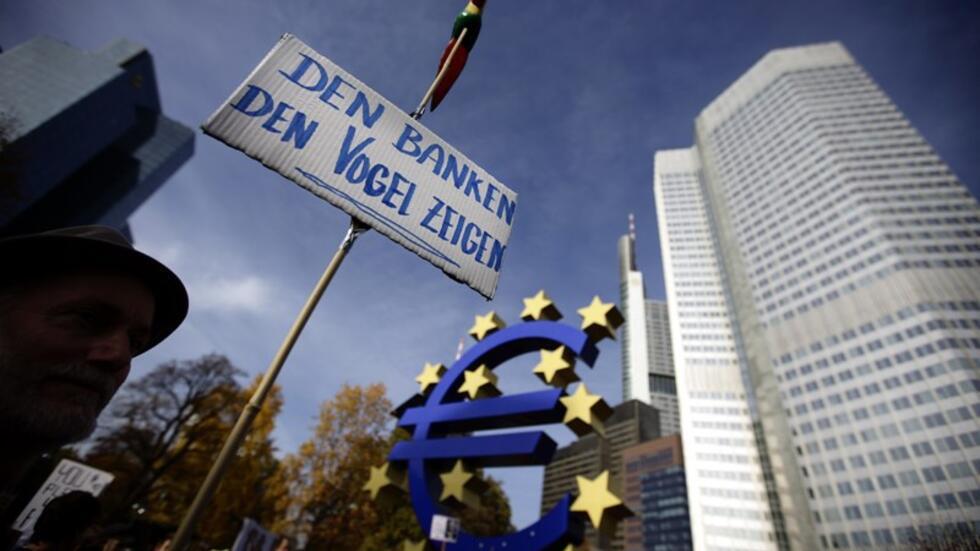
As economic stagnation lingers and inflation falls back within range, the European Central Bank (ECB) has unveiled a fresh bond purchase initiative designed to inject liquidity, support financing conditions, and reignite confidence across financial markets. Unlike past programs, this new asset purchase plan—tailored for a post-inflation environment—focuses on strategic sectors, climate-aligned investments, and financial stability.

The announcement has already rippled through bond, equity, and real asset markets. But a central question remains: which asset classes are set to benefit first—and most—from this renewed ECB intervention?

This article breaks down the structure of the new bond-buying scheme, the ECB’s strategic objectives, and the likely winners across the asset spectrum.


I. The Architecture of the New Bond Purchase Program

1. Targeted Asset Categories

Unlike previous quantitative easing (QE) rounds which emphasized sovereign debt, this plan introduces a multi-tiered structure, including:

  • Green and sustainable corporate bonds
  • Public-sector project bonds tied to digital and climate initiatives
  • Selective sovereign bonds from highly rated eurozone countries
  • Asset-backed securities (ABS) and covered bonds with strict transparency standards

The program is intentionally designed to channel capital into sectors that support long-term resilience and strategic autonomy for the EU.

2. Conditionality and Incentives

Purchases under the new plan are subject to climate and digital transition criteria, with issuers required to disclose ESG metrics and sustainability frameworks. This adds a layer of screening that favors companies and governments aligned with EU strategic goals.

Meanwhile, the ECB will offer lower refinancing costs for banks holding eligible bonds, incentivizing participation and increasing secondary market demand.


II. Immediate Market Reactions

1. Government Bonds

Core eurozone countries such as Germany, the Netherlands, and France stand to gain from lower yields on newly eligible sovereign bonds. However, peripheral countries like Italy and Greece may see limited direct benefit unless they issue in line with green and digital criteria.

Yields on 5- to 10-year maturities in qualifying sovereigns have already declined in anticipation, with a strong bid from banks and long-term institutional investors.

2. Corporate Bonds

Investment-grade green corporate bonds have seen a marked tightening in spreads, particularly in energy, technology infrastructure, and manufacturing sectors aligned with the EU Green Deal. Financials—especially large banks with ESG issuance—are also poised to benefit.

Non-eligible issuers, such as high-yield companies without climate-aligned strategies, may be penalized via reduced liquidity and higher risk premia.

3. Asset-Backed Securities (ABS) and Covered Bonds

Well-structured ABS with consumer loan or SME exposure, especially from Germany and France, have gained favor. Covered bonds with strong credit backing and transparent reporting standards—primarily from Nordic and German issuers—are also seeing renewed demand.


III. Equity Market Spillover

1. Banks and Financial Institutions

Banks holding large inventories of eligible bonds will benefit from capital appreciation and improved liquidity. Those issuing green bonds can raise funds at lower rates and boost ESG investor appeal. In parallel, better lending conditions may stimulate credit creation, further supporting bank profitability.

2. Utilities, Infrastructure, and Energy Transition Firms

Equity investors are already pricing in gains for companies tied to renewable energy, grid modernization, and sustainable transport—sectors most likely to issue qualifying bonds and receive indirect funding support.

Green-aligned corporates not only enjoy improved bond market access but are also increasingly favored by equity funds tracking ESG benchmarks, creating a virtuous circle of inflows.

3. Technology and Digital Firms

Companies involved in data infrastructure, cybersecurity, and digital transformation—especially those issuing “digital development bonds”—are likely to benefit from cheaper funding and ECB demand. Their equities may appreciate as a result of stronger balance sheets and growing investor interest.

IV. Real Assets and Alternatives

1. Real Estate and Infrastructure

With capital flowing into green bonds and public-sector project bonds, sustainable infrastructure and green real estate developments will likely benefit from declining financing costs. Infrastructure funds focused on energy transition and smart transport networks are expected to see stronger inflows.

2. Private Credit and ESG Funds

Private credit funds investing in green-oriented middle-market companies may benefit indirectly as more capital exits traditional debt markets in search of compliant ESG-labeled opportunities. ESG-focused funds are expected to attract inflows, especially those aligned with ECB-favored sectors.


V. Risks and Divergence

While the new ECB plan supports select markets, it also introduces fragmentation risks:

  • Non-eligible sectors (e.g. traditional fossil fuel companies, non-transparent high-yield borrowers) may suffer from declining investor appetite.
  • Peripheral sovereigns may face a new version of the core-periphery divide unless they adapt issuance strategies quickly.
  • Greenwashing concerns could prompt future ECB scrutiny and volatility if misaligned issuers are later deemed ineligible.

Additionally, the plan’s conditional nature requires robust ESG disclosure and transparency—a challenge for smaller firms or less developed markets.


Conclusion

The ECB’s new bond purchase initiative represents a strategic evolution in monetary policy—blending liquidity support with climate and innovation goals. While not as broad-based as past QE efforts, the program is sharply targeted toward long-term transformation sectors.

First beneficiaries include:

  • Investment-grade green bonds and ESG-aligned corporates
  • Core sovereign debt with strong credit profiles
  • Banks holding and issuing qualifying paper
  • Equity sectors tied to climate transition and digital development
  • Sustainable infrastructure and real asset investments

For investors, the message is clear: those who align with the EU’s strategic priorities—climate, digital, and transparency—stand to gain most. Now is the time to reassess bond allocations, increase ESG exposure, and position for structural tailwinds powered by central bank policy.

Tags: economyEuropeEurope and AmericafinanceFinance and economicsFinancial expressglobal
ShareTweetShare

Related Posts

Europe

The Social Foundations of Economic Stability: How France and Germany Are Managing Inequality, Welfare, and the Future of Work

December 2, 2025
Europe

The Energy Transition Challenge: How France and Germany Are Rebuilding Their Economic Power Through Green Transformation

December 2, 2025
Europe

France and Germany in a Shifting Global Economy: How Both Countries Are Rebuilding Their Competitiveness

December 2, 2025
Europe

Germany’s Economy at a Turning Point: Slow Growth, Industrial Pressure, and the Search for a New Future

December 2, 2025
Europe

France’s Economy in a Time of Slow Growth and Social Pressure

December 2, 2025
Europe

The New Monetary Landscape of Europe: How the Eurozone Is Redefining Its Financial Future

November 26, 2025
Load More
Leave Comment
  • Bitcoin on a rollercoaster ride The whole network more than 110,000 people exploded warehouse 2.9 billion yuan evaporation in 24 hours! What’s going on?

    Bitcoin on a rollercoaster ride The whole network more than 110,000 people exploded warehouse 2.9 billion yuan evaporation in 24 hours! What’s going on?

    0 shares
    Share 0 Tweet 0
  • There are always unconvinced want to try! The size of Nvidia’s short position is now comparable to Apple and Tesla combined

    0 shares
    Share 0 Tweet 0
  • The probability is about 75%! Will the G7 fall?

    0 shares
    Share 0 Tweet 0
  • A number of data point to the Japanese government intervention in the currency market after the “5 trillion” still depends on the United States

    0 shares
    Share 0 Tweet 0
  • How far can Tech stocks go to split on Fed expectations?

    0 shares
    Share 0 Tweet 0

Hot

The New Inflation Puzzle: Why Europe and the United States Are Struggling With Different Price Pressures

The New Economic Landscape of Europe and the United States: How 2025 is Reshaping Growth Models

December 3, 2025
The New Inflation Puzzle: Why Europe and the United States Are Struggling With Different Price Pressures

Transatlantic Trade Shifts: How Europe and the United States Are Redefining Economic Partnerships in 2025

December 3, 2025
The New Inflation Puzzle: Why Europe and the United States Are Struggling With Different Price Pressures

The Energy Transition Divide: How Europe and the United States Are Taking Different Paths Toward a Green Economy

December 3, 2025
The New Inflation Puzzle: Why Europe and the United States Are Struggling With Different Price Pressures

The New Workforce Challenge: How Europe and the United States Are Struggling With Talent Shortages and Productivity Slowdowns

December 3, 2025
The New Inflation Puzzle: Why Europe and the United States Are Struggling With Different Price Pressures

The New Inflation Puzzle: Why Europe and the United States Are Struggling With Different Price Pressures

December 3, 2025

The Social Foundations of Economic Stability: How France and Germany Are Managing Inequality, Welfare, and the Future of Work

December 2, 2025

The Energy Transition Challenge: How France and Germany Are Rebuilding Their Economic Power Through Green Transformation

December 2, 2025

France and Germany in a Shifting Global Economy: How Both Countries Are Rebuilding Their Competitiveness

December 2, 2025

Germany’s Economy at a Turning Point: Slow Growth, Industrial Pressure, and the Search for a New Future

December 2, 2025

France’s Economy in a Time of Slow Growth and Social Pressure

December 2, 2025
The New Inflation Puzzle: Why Europe and the United States Are Struggling With Different Price Pressures
Europe and America

The New Economic Landscape of Europe and the United States: How 2025 is Reshaping Growth Models

December 3, 2025
The New Inflation Puzzle: Why Europe and the United States Are Struggling With Different Price Pressures
Europe and America

Transatlantic Trade Shifts: How Europe and the United States Are Redefining Economic Partnerships in 2025

December 3, 2025
The New Inflation Puzzle: Why Europe and the United States Are Struggling With Different Price Pressures
Europe and America

The Energy Transition Divide: How Europe and the United States Are Taking Different Paths Toward a Green Economy

December 3, 2025
The New Inflation Puzzle: Why Europe and the United States Are Struggling With Different Price Pressures
Europe and America

The New Workforce Challenge: How Europe and the United States Are Struggling With Talent Shortages and Productivity Slowdowns

December 3, 2025
wealthtrend

WealthTrend, as the leading financial information service platform in the industry, provides comprehensive, timely and accurate financial information services for investors and financial practitioners by virtue of its deep industry background, clear service purpose and unique characteristics.

Copyright © 2025 Contact: [email protected]

No Result
View All Result
  • Home
  • Top News
  • Global
  • Asia-Pacific
  • Europe
  • viewpoint
  • America
  • Europe and America

Copyright © 2025 Contact: [email protected]

Welcome Back!

Login to your account below

Forgotten Password?

Retrieve your password

Please enter your username or email address to reset your password.

Log In