










wealthtrend
  • Home
  • Top News
  • Global

    The Global Interest Rate Turning Point: How Central Banks Are Changing Their Policies

    The New Shape of Global Trade and Finance: How Supply Chains and Currencies Are Moving

    The Rise of Digital Money:

    Finance in a Time of Geopolitical Tension:

    The New Shape of Work: How Technology Is Changing U.S. Jobs

    The New Forces Driving Global Markets:Technology, Demographics, and the Rise of Emerging Economies

    Global Payments at an Inflection Point: How Infrastructure, Regulation, and Geopolitics Are Rewriting the Future of Money

  • Asia-Pacific
    Japan’s Slow but Steady Recovery: How an Aging Nation Is Searching for New Growth

    Japan and South Korea: Comparative Economic Analysis and Future Prospects

    Japan’s Slow but Steady Recovery: How an Aging Nation Is Searching for New Growth

    South Korea’s Economy in Transition: Challenges, Opportunities, and the Path Ahead

    Japan’s Slow but Steady Recovery: How an Aging Nation Is Searching for New Growth

    South Korea’s Economic Transformation: From Manufacturing to Technology and Services

    Japan’s Slow but Steady Recovery: How an Aging Nation Is Searching for New Growth

    Japan’s Slow but Steady Recovery: How an Aging Nation Is Searching for New Growth

    Japan’s Slow but Steady Recovery: How an Aging Nation Is Searching for New Growth

    The Rise of Asia as the Next Global Financial Center

  • Europe

    The Social Foundations of Economic Stability: How France and Germany Are Managing Inequality, Welfare, and the Future of Work

    The Energy Transition Challenge: How France and Germany Are Rebuilding Their Economic Power Through Green Transformation

    France and Germany in a Shifting Global Economy: How Both Countries Are Rebuilding Their Competitiveness

    Germany’s Economy at a Turning Point: Slow Growth, Industrial Pressure, and the Search for a New Future

    France’s Economy in a Time of Slow Growth and Social Pressure

    The New Monetary Landscape of Europe: How the Eurozone Is Redefining Its Financial Future

  • viewpoint
  • America
  • Europe and America
wealthtrend
  • Home
  • Top News
  • Global

    The Global Interest Rate Turning Point: How Central Banks Are Changing Their Policies

    The New Shape of Global Trade and Finance: How Supply Chains and Currencies Are Moving

    The Rise of Digital Money:

    Finance in a Time of Geopolitical Tension:

    The New Shape of Work: How Technology Is Changing U.S. Jobs

    The New Forces Driving Global Markets:Technology, Demographics, and the Rise of Emerging Economies

    Global Payments at an Inflection Point: How Infrastructure, Regulation, and Geopolitics Are Rewriting the Future of Money

  • Asia-Pacific
    Japan’s Slow but Steady Recovery: How an Aging Nation Is Searching for New Growth

    Japan and South Korea: Comparative Economic Analysis and Future Prospects

    Japan’s Slow but Steady Recovery: How an Aging Nation Is Searching for New Growth

    South Korea’s Economy in Transition: Challenges, Opportunities, and the Path Ahead

    Japan’s Slow but Steady Recovery: How an Aging Nation Is Searching for New Growth

    South Korea’s Economic Transformation: From Manufacturing to Technology and Services

    Japan’s Slow but Steady Recovery: How an Aging Nation Is Searching for New Growth

    Japan’s Slow but Steady Recovery: How an Aging Nation Is Searching for New Growth

    Japan’s Slow but Steady Recovery: How an Aging Nation Is Searching for New Growth

    The Rise of Asia as the Next Global Financial Center

  • Europe

    The Social Foundations of Economic Stability: How France and Germany Are Managing Inequality, Welfare, and the Future of Work

    The Energy Transition Challenge: How France and Germany Are Rebuilding Their Economic Power Through Green Transformation

    France and Germany in a Shifting Global Economy: How Both Countries Are Rebuilding Their Competitiveness

    Germany’s Economy at a Turning Point: Slow Growth, Industrial Pressure, and the Search for a New Future

    France’s Economy in a Time of Slow Growth and Social Pressure

    The New Monetary Landscape of Europe: How the Eurozone Is Redefining Its Financial Future

  • viewpoint
  • America
  • Europe and America
wealthtrend
Home Financial express

The Era of Retail Investors Becoming Hedge Funds: Who Is Amplifying Market Risk?

August 3, 2025
in Financial express, Futures information, viewpoint
The Era of Retail Investors Becoming Hedge Funds: Who Is Amplifying Market Risk?

The concept of business finance development

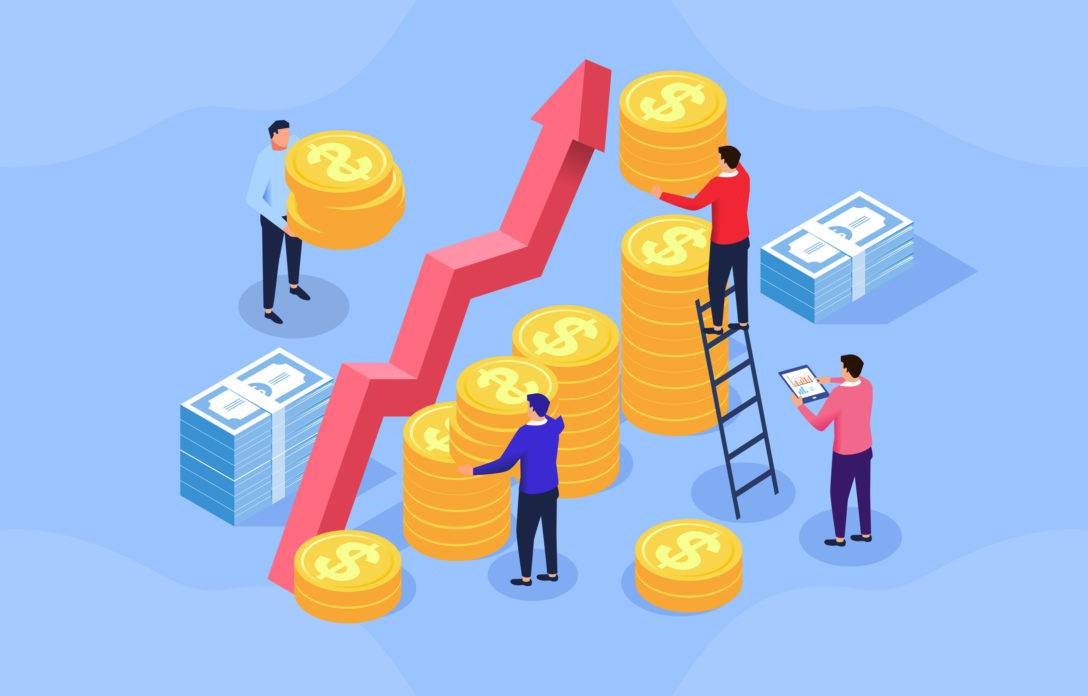
In recent years, financial markets have witnessed a seismic shift: the rise of retail investors acting with the sophistication and ambition traditionally reserved for hedge funds. Empowered by technology, easy access to information, zero-commission trading platforms, and social media communities, individual investors are increasingly engaging in complex trading strategies such as options trading, short squeezes, and leveraged positions.

This transformation—often called the “hedge fund-ification” of retail investors—has reshaped market dynamics, liquidity profiles, and risk structures. But amid this evolution, an urgent question arises: Who is amplifying market risk in this new era? Is it the retail investors themselves, institutional players, market infrastructure, or a combination of factors?

This article delves into the phenomenon of retail investors adopting hedge fund-like strategies, explores the sources of risk amplification, and discusses the implications for market stability and regulatory oversight.


1. Understanding the “Retail Hedge Fund” Phenomenon

1.1 From Passive Investors to Active Traders

Historically, retail investors were considered largely passive market participants, investing through mutual funds or buy-and-hold strategies. Today, many retail traders actively manage their portfolios, employing complex derivatives, margin trading, and short-term speculative tactics—traditionally the domain of professional hedge funds.

1.2 The Drivers of Retail Sophistication

  • Technology and Platforms: Apps like Robinhood, Webull, and eToro provide easy access to advanced trading tools and commission-free trades.
  • Information Access: Social media (Reddit’s WallStreetBets, Twitter, Discord) fuels collective intelligence, hype cycles, and coordinated trading.
  • Market Conditions: Low-interest rates and volatile markets have pushed investors to seek alpha through higher-risk strategies.
  • Cultural Shift: A new generation sees trading as not just investment but entertainment and social engagement.

2. Mechanisms of Market Risk Amplification

2.1 Increased Leverage and Derivatives Usage

Retail investors’ growing use of margin, options, and leveraged ETFs magnifies potential gains — and losses. Leveraged positions can trigger rapid deleveraging and forced liquidations, causing cascade effects.

2.2 Herding Behavior and Social Coordination

Social media platforms enable coordinated buying or selling, leading to sharp price moves detached from fundamentals. Examples include:

  • The GameStop short squeeze in early 2021.
  • Memestock rallies across various sectors.

Herding amplifies volatility and raises the probability of market dislocations.

2.3 Market Structure and Liquidity Constraints

Retail-driven spikes can overwhelm market makers and liquidity providers, leading to widened bid-ask spreads and execution delays, which further exacerbate price swings.

2.4 Institutional Responses

Hedge funds, market makers, and algorithmic traders react to retail flows, sometimes exacerbating volatility by adjusting their own positions quickly or withdrawing liquidity.


3. Who Bears the Responsibility for Amplified Risks?

3.1 Retail Investors

While empowered, many retail traders may underestimate risks or overestimate their strategies’ robustness. Emotional trading, FOMO (fear of missing out), and misinformation contribute to risk-taking beyond sustainable levels.

3.2 Trading Platforms and Brokers

Some platforms incentivize frequent trading through gamification, push notifications, and easy access to risky products, potentially encouraging excessive risk-taking.

3.3 Institutional Market Participants

Professional traders and hedge funds sometimes exploit retail flows, creating feedback loops that magnify price moves. Their leverage and algorithmic strategies can accelerate volatility.

3.4 Regulators and Market Infrastructure

Regulatory frameworks have struggled to keep pace with rapid market innovations and new participant profiles. Market rules around margin requirements, short selling, and disclosure may need updating.

4. The Consequences of Amplified Market Risk

4.1 Heightened Volatility and Price Dislocations

Sudden price spikes or crashes create instability, undermining confidence and increasing trading costs.

4.2 Potential for Systemic Risk

While retail trading alone may not trigger systemic crises, interconnected leverage and liquidity shortages can propagate shocks across markets.

4.3 Investor Protection Challenges

Novice investors face greater risk of significant losses without fully understanding the complexities of leveraged or derivative strategies.


5. Navigating the New Era: Strategies for Stakeholders

5.1 Retail Investors

  • Educate: Gain solid understanding of risks associated with leverage and derivatives.
  • Discipline: Avoid herd mentality; focus on risk management.
  • Diversify: Balance speculative trades with long-term, diversified investments.

5.2 Trading Platforms

  • Responsible Design: Avoid features that encourage excessive risk-taking.
  • Transparency: Clearly communicate risks, margin requirements, and potential losses.
  • Monitoring: Implement safeguards to detect and mitigate abusive trading practices.

5.3 Institutional Players

  • Liquidity Provision: Manage risk carefully when responding to volatile retail flows.
  • Engagement: Consider constructive dialogue with retail communities to reduce adversarial dynamics.

5.4 Regulators

  • Update Rules: Review margin and leverage limits, disclosure requirements, and product suitability.
  • Market Surveillance: Enhance monitoring for coordinated or manipulative behavior.
  • Investor Protection: Promote financial literacy programs tailored to retail investors.

Conclusion

The era of retail investors acting with hedge fund-like sophistication marks a profound shift in financial markets. This democratization of trading power has introduced new energy and opportunities but also significant risks and vulnerabilities.

Market risk amplification today is a complex interplay between empowered retail investors, incentivized platforms, responsive institutional players, and evolving regulatory frameworks. No single party bears full responsibility; instead, a coordinated effort is essential to ensure that innovation does not come at the cost of market stability and investor protection.

As retail investors continue to reshape markets, a balanced approach emphasizing education, transparency, prudent regulation, and constructive collaboration among all stakeholders will be critical to managing and mitigating amplified risks in this brave new financial world.
Tags: economyfinanceFinance and economicsFund-izationglobalviewpoint
ShareTweetShare

Related Posts

The Asian Century in Flux: Financial Centers, Capital Flows, and Geopolitical Risk
Europe

The Silent Strain: Europe’s Structural Challenges in a Post-Globalization Era

November 12, 2025
The Asian Century in Flux: Financial Centers, Capital Flows, and Geopolitical Risk
viewpoint

The Fragile Order: Rethinking Financial Regulation in a Post-Crisis World

November 11, 2025
The Asian Century in Flux: Financial Centers, Capital Flows, and Geopolitical Risk
viewpoint

The Asian Balance: How Emerging Markets Will Shape Global Finance in 2025

November 11, 2025
The Asian Century in Flux: Financial Centers, Capital Flows, and Geopolitical Risk
viewpoint

November 11, 2025
The Asian Century in Flux: Financial Centers, Capital Flows, and Geopolitical Risk
viewpoint

Ethics of Capital: The Human Cost of Financial Efficiency

November 11, 2025
The Asian Century in Flux: Financial Centers, Capital Flows, and Geopolitical Risk
viewpoint

The Asian Century in Flux: Financial Centers, Capital Flows, and Geopolitical Risk

November 11, 2025
Load More
Leave Comment
  • Bitcoin on a rollercoaster ride The whole network more than 110,000 people exploded warehouse 2.9 billion yuan evaporation in 24 hours! What’s going on?

    Bitcoin on a rollercoaster ride The whole network more than 110,000 people exploded warehouse 2.9 billion yuan evaporation in 24 hours! What’s going on?

    0 shares
    Share 0 Tweet 0
  • There are always unconvinced want to try! The size of Nvidia’s short position is now comparable to Apple and Tesla combined

    0 shares
    Share 0 Tweet 0
  • The probability is about 75%! Will the G7 fall?

    0 shares
    Share 0 Tweet 0
  • A number of data point to the Japanese government intervention in the currency market after the “5 trillion” still depends on the United States

    0 shares
    Share 0 Tweet 0
  • How far can Tech stocks go to split on Fed expectations?

    0 shares
    Share 0 Tweet 0

Hot

The New Inflation Puzzle: Why Europe and the United States Are Struggling With Different Price Pressures

The New Economic Landscape of Europe and the United States: How 2025 is Reshaping Growth Models

December 3, 2025
The New Inflation Puzzle: Why Europe and the United States Are Struggling With Different Price Pressures

Transatlantic Trade Shifts: How Europe and the United States Are Redefining Economic Partnerships in 2025

December 3, 2025
The New Inflation Puzzle: Why Europe and the United States Are Struggling With Different Price Pressures

The Energy Transition Divide: How Europe and the United States Are Taking Different Paths Toward a Green Economy

December 3, 2025
The New Inflation Puzzle: Why Europe and the United States Are Struggling With Different Price Pressures

The New Workforce Challenge: How Europe and the United States Are Struggling With Talent Shortages and Productivity Slowdowns

December 3, 2025
The New Inflation Puzzle: Why Europe and the United States Are Struggling With Different Price Pressures

The New Inflation Puzzle: Why Europe and the United States Are Struggling With Different Price Pressures

December 3, 2025

The Social Foundations of Economic Stability: How France and Germany Are Managing Inequality, Welfare, and the Future of Work

December 2, 2025

The Energy Transition Challenge: How France and Germany Are Rebuilding Their Economic Power Through Green Transformation

December 2, 2025

France and Germany in a Shifting Global Economy: How Both Countries Are Rebuilding Their Competitiveness

December 2, 2025

Germany’s Economy at a Turning Point: Slow Growth, Industrial Pressure, and the Search for a New Future

December 2, 2025

France’s Economy in a Time of Slow Growth and Social Pressure

December 2, 2025
The New Inflation Puzzle: Why Europe and the United States Are Struggling With Different Price Pressures
Europe and America

The New Economic Landscape of Europe and the United States: How 2025 is Reshaping Growth Models

December 3, 2025
The New Inflation Puzzle: Why Europe and the United States Are Struggling With Different Price Pressures
Europe and America

Transatlantic Trade Shifts: How Europe and the United States Are Redefining Economic Partnerships in 2025

December 3, 2025
The New Inflation Puzzle: Why Europe and the United States Are Struggling With Different Price Pressures
Europe and America

The Energy Transition Divide: How Europe and the United States Are Taking Different Paths Toward a Green Economy

December 3, 2025
The New Inflation Puzzle: Why Europe and the United States Are Struggling With Different Price Pressures
Europe and America

The New Workforce Challenge: How Europe and the United States Are Struggling With Talent Shortages and Productivity Slowdowns

December 3, 2025
wealthtrend

WealthTrend, as the leading financial information service platform in the industry, provides comprehensive, timely and accurate financial information services for investors and financial practitioners by virtue of its deep industry background, clear service purpose and unique characteristics.

Copyright © 2025 Contact: [email protected]

No Result
View All Result
  • Home
  • Top News
  • Global
  • Asia-Pacific
  • Europe
  • viewpoint
  • America
  • Europe and America

Copyright © 2025 Contact: [email protected]

Welcome Back!

Login to your account below

Forgotten Password?

Retrieve your password

Please enter your username or email address to reset your password.

Log In