










wealthtrend
  • Home
  • Top News
  • Global

    The Global Interest Rate Turning Point: How Central Banks Are Changing Their Policies

    The New Shape of Global Trade and Finance: How Supply Chains and Currencies Are Moving

    The Rise of Digital Money:

    Finance in a Time of Geopolitical Tension:

    The New Shape of Work: How Technology Is Changing U.S. Jobs

    The New Forces Driving Global Markets:Technology, Demographics, and the Rise of Emerging Economies

    Global Payments at an Inflection Point: How Infrastructure, Regulation, and Geopolitics Are Rewriting the Future of Money

  • Asia-Pacific
    Japan’s Slow but Steady Recovery: How an Aging Nation Is Searching for New Growth

    Japan and South Korea: Comparative Economic Analysis and Future Prospects

    Japan’s Slow but Steady Recovery: How an Aging Nation Is Searching for New Growth

    South Korea’s Economy in Transition: Challenges, Opportunities, and the Path Ahead

    Japan’s Slow but Steady Recovery: How an Aging Nation Is Searching for New Growth

    South Korea’s Economic Transformation: From Manufacturing to Technology and Services

    Japan’s Slow but Steady Recovery: How an Aging Nation Is Searching for New Growth

    Japan’s Slow but Steady Recovery: How an Aging Nation Is Searching for New Growth

    Japan’s Slow but Steady Recovery: How an Aging Nation Is Searching for New Growth

    The Rise of Asia as the Next Global Financial Center

  • Europe

    The Social Foundations of Economic Stability: How France and Germany Are Managing Inequality, Welfare, and the Future of Work

    The Energy Transition Challenge: How France and Germany Are Rebuilding Their Economic Power Through Green Transformation

    France and Germany in a Shifting Global Economy: How Both Countries Are Rebuilding Their Competitiveness

    Germany’s Economy at a Turning Point: Slow Growth, Industrial Pressure, and the Search for a New Future

    France’s Economy in a Time of Slow Growth and Social Pressure

    The New Monetary Landscape of Europe: How the Eurozone Is Redefining Its Financial Future

  • viewpoint
  • America
  • Europe and America
wealthtrend
  • Home
  • Top News
  • Global

    The Global Interest Rate Turning Point: How Central Banks Are Changing Their Policies

    The New Shape of Global Trade and Finance: How Supply Chains and Currencies Are Moving

    The Rise of Digital Money:

    Finance in a Time of Geopolitical Tension:

    The New Shape of Work: How Technology Is Changing U.S. Jobs

    The New Forces Driving Global Markets:Technology, Demographics, and the Rise of Emerging Economies

    Global Payments at an Inflection Point: How Infrastructure, Regulation, and Geopolitics Are Rewriting the Future of Money

  • Asia-Pacific
    Japan’s Slow but Steady Recovery: How an Aging Nation Is Searching for New Growth

    Japan and South Korea: Comparative Economic Analysis and Future Prospects

    Japan’s Slow but Steady Recovery: How an Aging Nation Is Searching for New Growth

    South Korea’s Economy in Transition: Challenges, Opportunities, and the Path Ahead

    Japan’s Slow but Steady Recovery: How an Aging Nation Is Searching for New Growth

    South Korea’s Economic Transformation: From Manufacturing to Technology and Services

    Japan’s Slow but Steady Recovery: How an Aging Nation Is Searching for New Growth

    Japan’s Slow but Steady Recovery: How an Aging Nation Is Searching for New Growth

    Japan’s Slow but Steady Recovery: How an Aging Nation Is Searching for New Growth

    The Rise of Asia as the Next Global Financial Center

  • Europe

    The Social Foundations of Economic Stability: How France and Germany Are Managing Inequality, Welfare, and the Future of Work

    The Energy Transition Challenge: How France and Germany Are Rebuilding Their Economic Power Through Green Transformation

    France and Germany in a Shifting Global Economy: How Both Countries Are Rebuilding Their Competitiveness

    Germany’s Economy at a Turning Point: Slow Growth, Industrial Pressure, and the Search for a New Future

    France’s Economy in a Time of Slow Growth and Social Pressure

    The New Monetary Landscape of Europe: How the Eurozone Is Redefining Its Financial Future

  • viewpoint
  • America
  • Europe and America
wealthtrend
Home America

Dollar Index Volatility Surges: How Should Global Assets Find Their Anchor?

August 5, 2025
in America, Financial express, Futures information
Dollar Index Volatility Surges: How Should Global Assets Find Their Anchor?

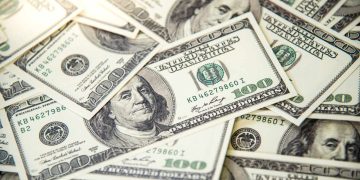
The U.S. Dollar Index has been experiencing intense volatility recently, stirring significant concern and debate across global financial markets. As the primary reserve currency and a cornerstone of international trade and finance, fluctuations in the dollar’s value ripple far beyond U.S. borders, impacting asset prices, capital flows, and economic stability worldwide. In this environment of heightened dollar volatility, investors and portfolio managers face a critical challenge: how to identify reliable anchor points within global asset allocations to mitigate risks and maintain portfolio resilience.

Why Is the Dollar Index So Volatile?

The dollar’s recent turbulence can be attributed to a combination of complex, interconnected factors:

  • Monetary Policy Divergence: Shifts in the Federal Reserve’s stance—whether toward tightening or easing—directly influence dollar interest rates and investor expectations. Mixed signals and changing guidance have fueled speculative moves in currency markets.
  • Economic Growth Differentials: The relative pace of economic recovery and growth between the U.S. and other major economies like the Eurozone, Japan, and China affects capital flows and demand for the dollar.
  • Geopolitical Uncertainty and Safe-Haven Demand: In times of geopolitical tension or market stress, the dollar often strengthens as a perceived safe haven. Conversely, improved risk appetite tends to weigh on the dollar.
  • Inflation and Trade Dynamics: Persistent inflation pressures and evolving trade policies add layers of uncertainty, amplifying exchange rate swings.

How Does Dollar Volatility Impact Global Assets?

The ramifications of sharp dollar fluctuations are widespread and multifaceted:

  • Emerging Market Vulnerabilities: Many emerging economies and corporations carry dollar-denominated debt. A stronger dollar increases their repayment burdens, potentially triggering capital outflows, currency depreciation, and asset price declines.
  • Commodity Price Sensitivities: Commodities, often priced in dollars, tend to move inversely with the currency. A rising dollar generally depresses commodity prices, impacting commodity exporters and related investments.
  • Currency Risk in Cross-Border Investments: Investors holding foreign assets face amplified exchange rate risk, increasing portfolio volatility and complicating return projections.
  • Developed Market Asset Fluctuations: Dollar moves influence U.S. interest rates and liquidity conditions, which in turn affect global equity and bond markets, often heightening systemic risk.
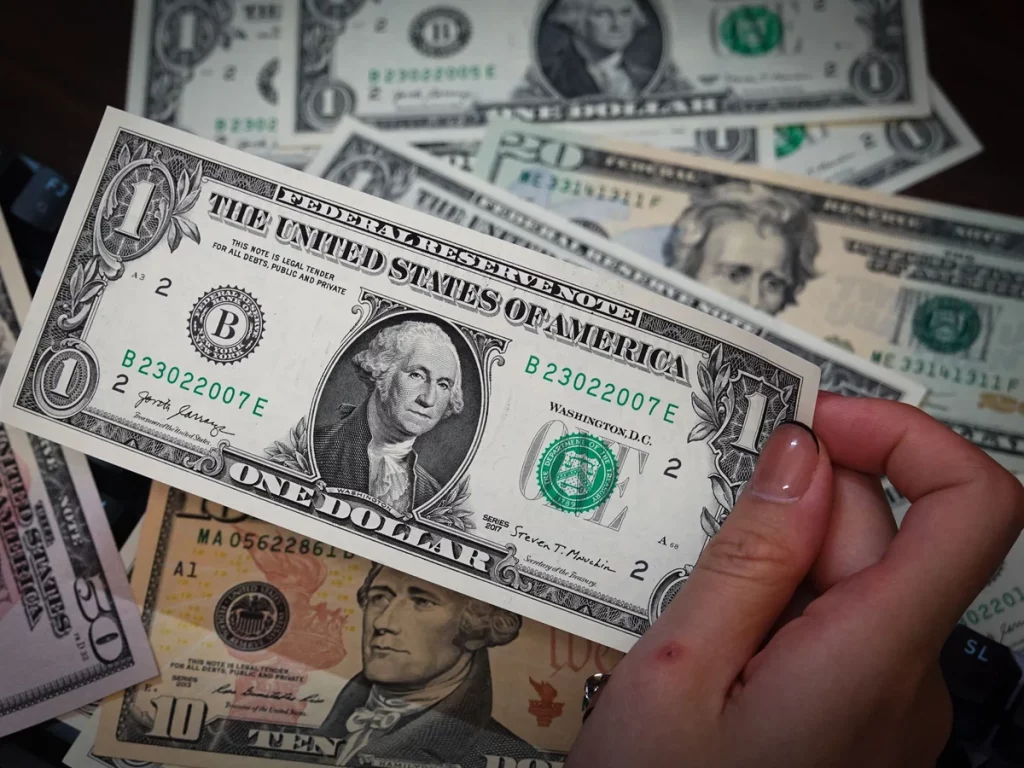
Strategies for Finding Anchor Points Amid Dollar Turbulence

To navigate these challenges, investors can consider several approaches to stabilize their portfolios:

1. Diversify Currency Exposure

Incorporating assets denominated in other major currencies such as the euro, yen, and pound, as well as select emerging market currencies like the Chinese yuan, helps reduce reliance on the dollar and smooth overall volatility.

2. Allocate to Real Assets and Commodities

Gold and other precious metals have traditionally served as reliable stores of value during periods of currency stress. Additionally, certain commodities tied to long-term economic trends, like copper and lithium, can offer a natural hedge.

3. Emphasize High-Quality Bonds and Inflation-Protected Securities

Investment-grade sovereign and corporate bonds provide defensive qualities, while instruments like Treasury Inflation-Protected Securities (TIPS) guard against inflation and currency depreciation risks.

4. Employ Multi-Asset and Tactical Allocation Strategies

Blending diverse asset classes, regions, and investment styles—with an overlay of quantitative and hedging techniques—can enhance risk-adjusted returns and buffer against dollar-driven shocks.

5. Target Assets with Low or Negative Correlation to the Dollar

Certain sectors or markets—such as domestic-oriented emerging economies or technology innovation spaces—may be less sensitive or inversely correlated to dollar movements, offering additional diversification benefits.

The Imperative of Dynamic Risk Management

Given the persistent uncertainty surrounding global monetary policy and economic growth, no single solution guarantees protection against dollar volatility. Investors must adopt agile, real-time monitoring of macroeconomic indicators, central bank signals, and geopolitical developments. Hedging currency exposures using derivatives like futures and options can provide tactical risk mitigation. Adjusting portfolio currency compositions and asset allocations dynamically will be key to preserving capital and seizing opportunities amid changing conditions.

Conclusion

The heightened volatility of the U.S. Dollar Index reflects the ongoing shifts and frictions within the global economic and financial landscape. For global investors, successfully navigating this volatility requires a nuanced, diversified approach—balancing currency exposure, integrating real assets, emphasizing high-quality fixed income, and leveraging sophisticated multi-asset strategies. By anchoring portfolios in a well-considered mix of assets and maintaining vigilant risk management, investors can better withstand dollar-driven shocks and achieve more stable long-term returns in an uncertain world.

Tags: AmericaeconomyfinanceFinance and economicsglobalUS dollar
ShareTweetShare

Related Posts

The New Shape of Work: How Technology Is Changing U.S. Jobs
America

The Changing Shape of the U.S. Labor Market in 2025

November 29, 2025
The New Shape of Work: How Technology Is Changing U.S. Jobs
America

How American Consumers Are Changing in 2025

November 29, 2025
The New Shape of Work: How Technology Is Changing U.S. Jobs
America

The Changing Landscape of U.S. Financial Markets in 2025

November 29, 2025
The New Shape of Work: How Technology Is Changing U.S. Jobs
America

The New Shape of Work: How Technology Is Changing U.S. Jobs

November 29, 2025
America

The Uneven Recovery: Why Some American Workers Are Doing Better Than Others”

November 29, 2025
Can Rising ROE in Japan and Australia’s Core Corporates Sustain Local Market Rallies?
America

The Future of the Digital Dollar: How a U.S. CBDC Could Reshape Global Finance and Domestic Monetary Power

November 24, 2025
Load More
Leave Comment
  • Bitcoin on a rollercoaster ride The whole network more than 110,000 people exploded warehouse 2.9 billion yuan evaporation in 24 hours! What’s going on?

    Bitcoin on a rollercoaster ride The whole network more than 110,000 people exploded warehouse 2.9 billion yuan evaporation in 24 hours! What’s going on?

    0 shares
    Share 0 Tweet 0
  • There are always unconvinced want to try! The size of Nvidia’s short position is now comparable to Apple and Tesla combined

    0 shares
    Share 0 Tweet 0
  • The probability is about 75%! Will the G7 fall?

    0 shares
    Share 0 Tweet 0
  • A number of data point to the Japanese government intervention in the currency market after the “5 trillion” still depends on the United States

    0 shares
    Share 0 Tweet 0
  • How far can Tech stocks go to split on Fed expectations?

    0 shares
    Share 0 Tweet 0

Hot

The New Inflation Puzzle: Why Europe and the United States Are Struggling With Different Price Pressures

The New Economic Landscape of Europe and the United States: How 2025 is Reshaping Growth Models

December 3, 2025
The New Inflation Puzzle: Why Europe and the United States Are Struggling With Different Price Pressures

Transatlantic Trade Shifts: How Europe and the United States Are Redefining Economic Partnerships in 2025

December 3, 2025
The New Inflation Puzzle: Why Europe and the United States Are Struggling With Different Price Pressures

The Energy Transition Divide: How Europe and the United States Are Taking Different Paths Toward a Green Economy

December 3, 2025
The New Inflation Puzzle: Why Europe and the United States Are Struggling With Different Price Pressures

The New Workforce Challenge: How Europe and the United States Are Struggling With Talent Shortages and Productivity Slowdowns

December 3, 2025
The New Inflation Puzzle: Why Europe and the United States Are Struggling With Different Price Pressures

The New Inflation Puzzle: Why Europe and the United States Are Struggling With Different Price Pressures

December 3, 2025

The Social Foundations of Economic Stability: How France and Germany Are Managing Inequality, Welfare, and the Future of Work

December 2, 2025

The Energy Transition Challenge: How France and Germany Are Rebuilding Their Economic Power Through Green Transformation

December 2, 2025

France and Germany in a Shifting Global Economy: How Both Countries Are Rebuilding Their Competitiveness

December 2, 2025

Germany’s Economy at a Turning Point: Slow Growth, Industrial Pressure, and the Search for a New Future

December 2, 2025

France’s Economy in a Time of Slow Growth and Social Pressure

December 2, 2025
The New Inflation Puzzle: Why Europe and the United States Are Struggling With Different Price Pressures
Europe and America

The New Economic Landscape of Europe and the United States: How 2025 is Reshaping Growth Models

December 3, 2025
The New Inflation Puzzle: Why Europe and the United States Are Struggling With Different Price Pressures
Europe and America

Transatlantic Trade Shifts: How Europe and the United States Are Redefining Economic Partnerships in 2025

December 3, 2025
The New Inflation Puzzle: Why Europe and the United States Are Struggling With Different Price Pressures
Europe and America

The Energy Transition Divide: How Europe and the United States Are Taking Different Paths Toward a Green Economy

December 3, 2025
The New Inflation Puzzle: Why Europe and the United States Are Struggling With Different Price Pressures
Europe and America

The New Workforce Challenge: How Europe and the United States Are Struggling With Talent Shortages and Productivity Slowdowns

December 3, 2025
wealthtrend

WealthTrend, as the leading financial information service platform in the industry, provides comprehensive, timely and accurate financial information services for investors and financial practitioners by virtue of its deep industry background, clear service purpose and unique characteristics.

Copyright © 2025 Contact: [email protected]

No Result
View All Result
  • Home
  • Top News
  • Global
  • Asia-Pacific
  • Europe
  • viewpoint
  • America
  • Europe and America

Copyright © 2025 Contact: [email protected]

Welcome Back!

Login to your account below

Forgotten Password?

Retrieve your password

Please enter your username or email address to reset your password.

Log In