












wealthtrend
  • Home
  • Top News
  • Global

    The Global Interest Rate Turning Point: How Central Banks Are Changing Their Policies

    The New Shape of Global Trade and Finance: How Supply Chains and Currencies Are Moving

    The Rise of Digital Money:

    Finance in a Time of Geopolitical Tension:

    The New Shape of Work: How Technology Is Changing U.S. Jobs

    The New Forces Driving Global Markets:Technology, Demographics, and the Rise of Emerging Economies

    Global Payments at an Inflection Point: How Infrastructure, Regulation, and Geopolitics Are Rewriting the Future of Money

  • Asia-Pacific
    Japan’s Slow but Steady Recovery: How an Aging Nation Is Searching for New Growth

    Japan and South Korea: Comparative Economic Analysis and Future Prospects

    Japan’s Slow but Steady Recovery: How an Aging Nation Is Searching for New Growth

    South Korea’s Economy in Transition: Challenges, Opportunities, and the Path Ahead

    Japan’s Slow but Steady Recovery: How an Aging Nation Is Searching for New Growth

    South Korea’s Economic Transformation: From Manufacturing to Technology and Services

    Japan’s Slow but Steady Recovery: How an Aging Nation Is Searching for New Growth

    Japan’s Slow but Steady Recovery: How an Aging Nation Is Searching for New Growth

    Japan’s Slow but Steady Recovery: How an Aging Nation Is Searching for New Growth

    The Rise of Asia as the Next Global Financial Center

  • Europe

    The Social Foundations of Economic Stability: How France and Germany Are Managing Inequality, Welfare, and the Future of Work

    The Energy Transition Challenge: How France and Germany Are Rebuilding Their Economic Power Through Green Transformation

    France and Germany in a Shifting Global Economy: How Both Countries Are Rebuilding Their Competitiveness

    Germany’s Economy at a Turning Point: Slow Growth, Industrial Pressure, and the Search for a New Future

    France’s Economy in a Time of Slow Growth and Social Pressure

    The New Monetary Landscape of Europe: How the Eurozone Is Redefining Its Financial Future

  • viewpoint
  • America
  • Europe and America
wealthtrend
  • Home
  • Top News
  • Global

    The Global Interest Rate Turning Point: How Central Banks Are Changing Their Policies

    The New Shape of Global Trade and Finance: How Supply Chains and Currencies Are Moving

    The Rise of Digital Money:

    Finance in a Time of Geopolitical Tension:

    The New Shape of Work: How Technology Is Changing U.S. Jobs

    The New Forces Driving Global Markets:Technology, Demographics, and the Rise of Emerging Economies

    Global Payments at an Inflection Point: How Infrastructure, Regulation, and Geopolitics Are Rewriting the Future of Money

  • Asia-Pacific
    Japan’s Slow but Steady Recovery: How an Aging Nation Is Searching for New Growth

    Japan and South Korea: Comparative Economic Analysis and Future Prospects

    Japan’s Slow but Steady Recovery: How an Aging Nation Is Searching for New Growth

    South Korea’s Economy in Transition: Challenges, Opportunities, and the Path Ahead

    Japan’s Slow but Steady Recovery: How an Aging Nation Is Searching for New Growth

    South Korea’s Economic Transformation: From Manufacturing to Technology and Services

    Japan’s Slow but Steady Recovery: How an Aging Nation Is Searching for New Growth

    Japan’s Slow but Steady Recovery: How an Aging Nation Is Searching for New Growth

    Japan’s Slow but Steady Recovery: How an Aging Nation Is Searching for New Growth

    The Rise of Asia as the Next Global Financial Center

  • Europe

    The Social Foundations of Economic Stability: How France and Germany Are Managing Inequality, Welfare, and the Future of Work

    The Energy Transition Challenge: How France and Germany Are Rebuilding Their Economic Power Through Green Transformation

    France and Germany in a Shifting Global Economy: How Both Countries Are Rebuilding Their Competitiveness

    Germany’s Economy at a Turning Point: Slow Growth, Industrial Pressure, and the Search for a New Future

    France’s Economy in a Time of Slow Growth and Social Pressure

    The New Monetary Landscape of Europe: How the Eurozone Is Redefining Its Financial Future

  • viewpoint
  • America
  • Europe and America
wealthtrend
Home Asia-Pacific

Japan burst! “Man-eating bacteria” spread wildly with a fatality rate of 30%!

June 5, 2024
in Asia-Pacific, Financial express, Top News, viewpoint
Japan burst! “Man-eating bacteria” spread wildly with a fatality rate of 30%!

[Japan sudden! Crazy spread fatality rate 30%!] Earlier on March 20, the Korea Disease Management Agency issued a travel warning saying that the number of STSS patients in Japan is increasing, their symptoms are rapidly worsening, and the mortality rate is about 30 percent. As the number of South Korean tourists to Japan has increased, some regions have become increasingly wary. Last year, there were 941 cases in Japan, the highest number ever, and the number is also rising this year. Travelers must wash their hands and follow precautions such as cough etiquette. South Korean media also reported at the time that with the increase in the number of tourists visiting Japan, the infectious disease, which has a fatality rate of up to 30 percent, is spreading rapidly across Japan and needs to be cautious.

A virus with a fatality rate of up to 30% is spreading rapidly in Japan!

According to the latest news of the Japanese media, commonly known as “man-eating bacteria” infection of streptococcus poisoning shock syndrome patients, is increasing at the fastest rate in history, the fatality rate of the disease is as high as 30%. Japanese experts have called on the public to remain vigilant, especially the elderly, who are at a higher risk of infection.

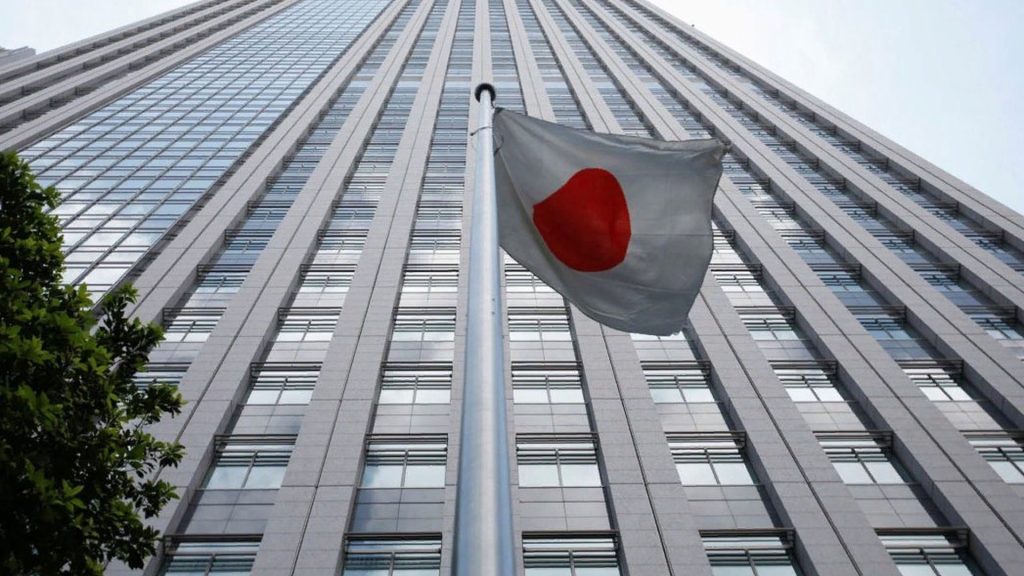
In addition, an economic data disclosed by the Bank of Japan on the 28th also caused global investors to pay attention. Adding to support for the Bank of Japan’s interest rate hike, data showed the corporate services price index rose at an annual rate of 2.8 percent in April, the fastest pace since September 1991. Some analysts said that the Bank of Japan did not rule out an early interest rate hike.
Go viral

Streptococcal toxic shock syndrome (STSS) is an acute syndrome caused by β-hemolytic streptococcal exotoxin. Due to the relatively high fatality rate of the disease, its pathogenic bacteria are known as “man-eating bacteria” in Japan.

According to Japan’s Jiji Press, streptococcus is mainly spread by contact or droplets. Although many people do not develop symptoms after infection, once the bacteria invade tissues such as blood or muscle, it can cause streptococcal shock syndrome. Initial symptoms include sore throat, fever, etc., and then the disease quickly progresses to a drop in blood pressure, multiple organ failure and even shock. The fatality rate is about 30%.

The number of patients is increasing at a record rate, the media said. According to data released by the National Institute of Infectious Diseases in Japan, a total of 941 cases of streptococcal shock syndrome were reported in 2023 in Japan, the highest number since relevant statistics began in 1999. As of May 12 this year, Japan has reported a total of 851 infections, about 2.8 times the number in the same period last year.

The streptococcus that causes STSS can be divided into groups A, B, and G. The M1UK strain that was prevalent in the United Kingdom in the decade of this century is A highly toxic group A strain, and the cases of Group A streptococcus have been increasing in the second half of 2023 in Kanto and other regions of Japan, and the Ministry of Health, Labor and Welfare is strengthening surveillance, but whether it is related to the increase of STSS is unclear.

Kikuchi, a professor at Tokyo Women’s Medical University in Japan, said that in view of the fact that most patients are over 65 years old, the elderly group should pay particular attention to strengthen prevention. He pointed out that many elderly patients are infected with this bacteria because of small wounds or ulcers on the feet, and recommended that nursing staff observe whether the feet of the elderly are kept clean. According to him, streptococcal shock syndrome is difficult to judge from the initial symptoms, and if a patient has swollen feet and a fever of more than 39 degrees, he should go to a medical institution as soon as possible.

Earlier on March 20, the Korea Disease Management Agency issued a travel warning saying that the number of STSS patients in Japan is increasing, their symptoms are rapidly worsening, and the mortality rate is about 30 percent. As the number of South Korean tourists to Japan has increased, some regions have become increasingly wary. Last year, there were 941 cases in Japan, the highest number ever, and the number is also rising this year. Travelers must wash their hands and follow precautions such as cough etiquette. South Korean media also reported at the time that with the increase in the number of tourists visiting Japan, the infectious disease, which has a fatality rate of up to 30 percent, is spreading rapidly across Japan and needs to be cautious.

Bank of Japan to raise interest rates early?

Japan’s corporate service inflation surged to a 33-year high, Bank of Japan data showed today, adding to support for a rate rise.

The business Services Price index (CSPI), which measures the cost of a range of goods and services that companies provide to other businesses and government entities, jumped 2.8 per cent from a year earlier, the data showed, beating economists’ forecasts for a 2.3 per cent rise and marking the fastest pace of growth since September 1991 (excluding the impact of an earlier sales tax increase).

The BOJ stressed that service prices are a key measure of inflation in Japan’s overall economy. This latest data is evidence that the strongest price growth in decades is taking root throughout the Japanese economy, supporting the view that Japanese inflation can be sustained.

Prices for services are expected to keep rising, in part because of higher wages for Japanese workers this year. The country’s largest trade union organization reported that its members had received wage increases of more than 5 percent in negotiations so far this year, with workers in the retail and telecommunications services sectors receiving above-average wage increases. Japan’s low wages have long been a stumbling block to promoting sustainable consumption and broader economic growth. But companies have recently achieved their biggest wage increases in decades, which many see as a major reason for the BOJ’s policy shift.

Continued weakness in the yen could also lead to further price increases. Bank of Japan Governor Kazuo Ueda said earlier that companies are now more likely to pass on rising costs to consumers through price increases.

The Bank of Japan has already signalled that it will continue to raise interest rates, but the pace will be gradual given the fragile state of the economy. About 41 per cent of BOJ watchers expect October to be the next time the central bank raises rates, according to a survey conducted in April, with most of them viewing a July move as a risk scenario.

With the latest data, it may encourage the Bank of Japan to consider bringing forward the timing of its next rate hike. On the 28th, the yield of 10-year new government bonds, which is an indicator of long-term interest rates in the Japanese bond market, rose to 1.035 percent at one point, the highest level in 12 years.

The balance of external net assets reached a new high

On May 28, local time, the Japanese Ministry of Finance announced the balance of Japan’s external assets and liabilities at the end of 2023. After deducting the liabilities of foreign investors in Japan, the balance of foreign net assets held by the government, companies and individuals reached 471 trillion yen, up 12.2 percent from the end of last year.

Due to the depreciation of the yen and the increase in the yen conversion of foreign currency assets, the balance of Japan’s foreign net assets has reached a record high for five consecutive years, and Japan has been the world’s largest foreign net assets for 33 consecutive years.

At the end of 2023, the Japanese exchange rate against the dollar was 141.4 yen per dollar, about 9 yen weaker than at the end of the previous year. As a result of the weaker yen, Japan’s debt rose by about Y16tn and its assets by about Y75tn. The rise in global stock prices also contributed to the increase in the market value of securities.

At the end of 2023, the balance of Japan’s external assets increased by 11.1% to 1,488 trillion yen, a record high and 15 consecutive years of growth. The balance of direct investment rose 11.3 percent to 307.69 trillion yen. In addition to the wholesale and retail sector in the United States, there has been an increase in investment related to energy resources in Australia. Outstanding portfolio investment rose 16.2 percent to 617.34 trillion yen. Outstanding external debt rose 10.6 percent to 1,017 trillion yen, also the highest level on record.


Tags: Asia-PacificfinanceincidentJapan
ShareTweetShare

Related Posts

Japan’s Slow but Steady Recovery: How an Aging Nation Is Searching for New Growth
Asia-Pacific

Japan and South Korea: Comparative Economic Analysis and Future Prospects

December 1, 2025
Japan’s Slow but Steady Recovery: How an Aging Nation Is Searching for New Growth
Asia-Pacific

South Korea’s Economy in Transition: Challenges, Opportunities, and the Path Ahead

December 1, 2025
Japan’s Slow but Steady Recovery: How an Aging Nation Is Searching for New Growth
Asia-Pacific

South Korea’s Economic Transformation: From Manufacturing to Technology and Services

December 1, 2025
Japan’s Slow but Steady Recovery: How an Aging Nation Is Searching for New Growth
Asia-Pacific

December 1, 2025
Japan’s Slow but Steady Recovery: How an Aging Nation Is Searching for New Growth
Asia-Pacific

Japan’s Slow but Steady Recovery: How an Aging Nation Is Searching for New Growth

December 1, 2025
Asia-Pacific

The Rise of Asia as the Next Global Financial Center

November 27, 2025
Load More
Leave Comment
  • Bitcoin on a rollercoaster ride The whole network more than 110,000 people exploded warehouse 2.9 billion yuan evaporation in 24 hours! What’s going on?

    Bitcoin on a rollercoaster ride The whole network more than 110,000 people exploded warehouse 2.9 billion yuan evaporation in 24 hours! What’s going on?

    0 shares
    Share 0 Tweet 0
  • There are always unconvinced want to try! The size of Nvidia’s short position is now comparable to Apple and Tesla combined

    0 shares
    Share 0 Tweet 0
  • The probability is about 75%! Will the G7 fall?

    0 shares
    Share 0 Tweet 0
  • A number of data point to the Japanese government intervention in the currency market after the “5 trillion” still depends on the United States

    0 shares
    Share 0 Tweet 0
  • How far can Tech stocks go to split on Fed expectations?

    0 shares
    Share 0 Tweet 0

Hot

The New Inflation Puzzle: Why Europe and the United States Are Struggling With Different Price Pressures

The New Economic Landscape of Europe and the United States: How 2025 is Reshaping Growth Models

December 3, 2025
The New Inflation Puzzle: Why Europe and the United States Are Struggling With Different Price Pressures

Transatlantic Trade Shifts: How Europe and the United States Are Redefining Economic Partnerships in 2025

December 3, 2025
The New Inflation Puzzle: Why Europe and the United States Are Struggling With Different Price Pressures

The Energy Transition Divide: How Europe and the United States Are Taking Different Paths Toward a Green Economy

December 3, 2025
The New Inflation Puzzle: Why Europe and the United States Are Struggling With Different Price Pressures

The New Workforce Challenge: How Europe and the United States Are Struggling With Talent Shortages and Productivity Slowdowns

December 3, 2025
The New Inflation Puzzle: Why Europe and the United States Are Struggling With Different Price Pressures

The New Inflation Puzzle: Why Europe and the United States Are Struggling With Different Price Pressures

December 3, 2025

The Social Foundations of Economic Stability: How France and Germany Are Managing Inequality, Welfare, and the Future of Work

December 2, 2025

The Energy Transition Challenge: How France and Germany Are Rebuilding Their Economic Power Through Green Transformation

December 2, 2025

France and Germany in a Shifting Global Economy: How Both Countries Are Rebuilding Their Competitiveness

December 2, 2025

Germany’s Economy at a Turning Point: Slow Growth, Industrial Pressure, and the Search for a New Future

December 2, 2025

France’s Economy in a Time of Slow Growth and Social Pressure

December 2, 2025
The New Inflation Puzzle: Why Europe and the United States Are Struggling With Different Price Pressures
Europe and America

The New Economic Landscape of Europe and the United States: How 2025 is Reshaping Growth Models

December 3, 2025
The New Inflation Puzzle: Why Europe and the United States Are Struggling With Different Price Pressures
Europe and America

Transatlantic Trade Shifts: How Europe and the United States Are Redefining Economic Partnerships in 2025

December 3, 2025
The New Inflation Puzzle: Why Europe and the United States Are Struggling With Different Price Pressures
Europe and America

The Energy Transition Divide: How Europe and the United States Are Taking Different Paths Toward a Green Economy

December 3, 2025
The New Inflation Puzzle: Why Europe and the United States Are Struggling With Different Price Pressures
Europe and America

The New Workforce Challenge: How Europe and the United States Are Struggling With Talent Shortages and Productivity Slowdowns

December 3, 2025
wealthtrend

WealthTrend, as the leading financial information service platform in the industry, provides comprehensive, timely and accurate financial information services for investors and financial practitioners by virtue of its deep industry background, clear service purpose and unique characteristics.

Copyright © 2025 Contact: [email protected]

No Result
View All Result
  • Home
  • Top News
  • Global
  • Asia-Pacific
  • Europe
  • viewpoint
  • America
  • Europe and America

Copyright © 2025 Contact: [email protected]

Welcome Back!

Login to your account below

Forgotten Password?

Retrieve your password

Please enter your username or email address to reset your password.

Log In