










wealthtrend
  • Home
  • Top News
  • Global

    The Global Interest Rate Turning Point: How Central Banks Are Changing Their Policies

    The New Shape of Global Trade and Finance: How Supply Chains and Currencies Are Moving

    The Rise of Digital Money:

    Finance in a Time of Geopolitical Tension:

    The New Shape of Work: How Technology Is Changing U.S. Jobs

    The New Forces Driving Global Markets:Technology, Demographics, and the Rise of Emerging Economies

    Global Payments at an Inflection Point: How Infrastructure, Regulation, and Geopolitics Are Rewriting the Future of Money

  • Asia-Pacific
    Japan’s Slow but Steady Recovery: How an Aging Nation Is Searching for New Growth

    Japan and South Korea: Comparative Economic Analysis and Future Prospects

    Japan’s Slow but Steady Recovery: How an Aging Nation Is Searching for New Growth

    South Korea’s Economy in Transition: Challenges, Opportunities, and the Path Ahead

    Japan’s Slow but Steady Recovery: How an Aging Nation Is Searching for New Growth

    South Korea’s Economic Transformation: From Manufacturing to Technology and Services

    Japan’s Slow but Steady Recovery: How an Aging Nation Is Searching for New Growth

    Japan’s Slow but Steady Recovery: How an Aging Nation Is Searching for New Growth

    Japan’s Slow but Steady Recovery: How an Aging Nation Is Searching for New Growth

    The Rise of Asia as the Next Global Financial Center

  • Europe

    The Social Foundations of Economic Stability: How France and Germany Are Managing Inequality, Welfare, and the Future of Work

    The Energy Transition Challenge: How France and Germany Are Rebuilding Their Economic Power Through Green Transformation

    France and Germany in a Shifting Global Economy: How Both Countries Are Rebuilding Their Competitiveness

    Germany’s Economy at a Turning Point: Slow Growth, Industrial Pressure, and the Search for a New Future

    France’s Economy in a Time of Slow Growth and Social Pressure

    The New Monetary Landscape of Europe: How the Eurozone Is Redefining Its Financial Future

  • viewpoint
  • America
  • Europe and America
wealthtrend
  • Home
  • Top News
  • Global

    The Global Interest Rate Turning Point: How Central Banks Are Changing Their Policies

    The New Shape of Global Trade and Finance: How Supply Chains and Currencies Are Moving

    The Rise of Digital Money:

    Finance in a Time of Geopolitical Tension:

    The New Shape of Work: How Technology Is Changing U.S. Jobs

    The New Forces Driving Global Markets:Technology, Demographics, and the Rise of Emerging Economies

    Global Payments at an Inflection Point: How Infrastructure, Regulation, and Geopolitics Are Rewriting the Future of Money

  • Asia-Pacific
    Japan’s Slow but Steady Recovery: How an Aging Nation Is Searching for New Growth

    Japan and South Korea: Comparative Economic Analysis and Future Prospects

    Japan’s Slow but Steady Recovery: How an Aging Nation Is Searching for New Growth

    South Korea’s Economy in Transition: Challenges, Opportunities, and the Path Ahead

    Japan’s Slow but Steady Recovery: How an Aging Nation Is Searching for New Growth

    South Korea’s Economic Transformation: From Manufacturing to Technology and Services

    Japan’s Slow but Steady Recovery: How an Aging Nation Is Searching for New Growth

    Japan’s Slow but Steady Recovery: How an Aging Nation Is Searching for New Growth

    Japan’s Slow but Steady Recovery: How an Aging Nation Is Searching for New Growth

    The Rise of Asia as the Next Global Financial Center

  • Europe

    The Social Foundations of Economic Stability: How France and Germany Are Managing Inequality, Welfare, and the Future of Work

    The Energy Transition Challenge: How France and Germany Are Rebuilding Their Economic Power Through Green Transformation

    France and Germany in a Shifting Global Economy: How Both Countries Are Rebuilding Their Competitiveness

    Germany’s Economy at a Turning Point: Slow Growth, Industrial Pressure, and the Search for a New Future

    France’s Economy in a Time of Slow Growth and Social Pressure

    The New Monetary Landscape of Europe: How the Eurozone Is Redefining Its Financial Future

  • viewpoint
  • America
  • Europe and America
wealthtrend
Home Financial express

Global Financial Markets Reeling from Japan’s Monetary Policy Shifts

August 14, 2024
in Financial express, Global, Top News
Global Financial Markets Reeling from Japan’s Monetary Policy Shifts

Since August, global stock markets have experienced significant fluctuations, notably marked by the dramatic declines in the Japanese and American stock markets. On August 7, Professor Gao Jieying from the Finance School of Kyoto University of Economic and Business expressed that the Bank of Japan’s end-of-July tightening policy, often referred to as the ‘Butterfly Effect,’ initiated a massive shockwave in global financial markets. The major reason behind this substantial impact is Japan’s long-term zero and negative interest rate policy, making the yen a virtually costless source of funds in international financial markets.

Professor Gao noted that as the U.S. dollar strengthens, the interest rate differentials between the yen and the dollar grow, facilitating profitable arbitrage for investors. The Federal Reserve’s July inactivity but potential rate cut in September, as indicated by Fed Chair Jerome Powell, further fueled concerns over interest rate differentials. Some economists from international financial institutions, such as flagship groups, even predicted a 50-basis point reduction in U.S. interest rates in both September and November meetings.

In contrast, the European Central Bank, Bank of England, and the Bank of Canada have already reduced their rates, narrowing the arbitrage opportunities. Consequently, Japan’s monetary policy choice to raise interest rates signals the end of interest rate differential arbitrages. As the yen continues to devalue rapidly, Japanese financial institutions face pressure, balancing between maintaining stability in the yen’s exchange rate and addressing domestic market pressures.
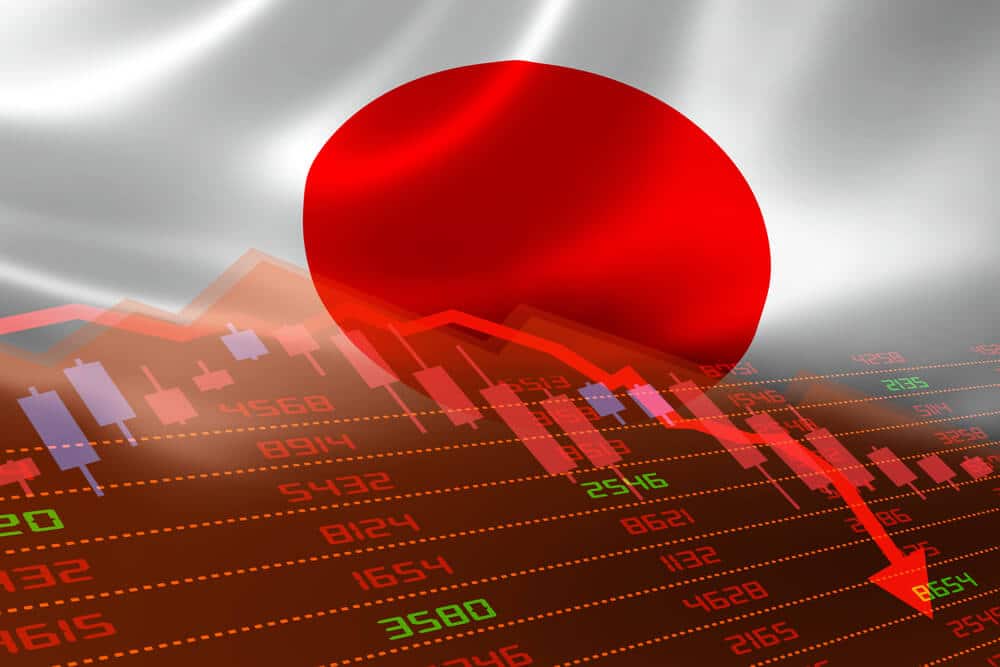
Professor Gao emphasized that Japan must stabilize the yen to prevent major financial losses and uphold its credibility as a global safe haven currency. The depreciation of the yen has consistently hindered Japanese consumer purchasing power, while export profits from a weaker yen remain limited. Financial arbitrage institutions, both Japanese and international, stand to lose significantly if yen depreciation continues.

The return of arbitrage funds stabilizing the yen prompted rapid yen appreciation, soaring beyond 150 yen on July 31. As the yen surged, market concerns over additional margin calls or automatic liquidation heightened, leading to potential cascade effects. As a result, on August 6, the Bank of Japan announced that it would not tighten the market amidst instability, offering temporary peace to global financial markets. The swift rebound of the U.S. dollar to 146 yen triggered a similar reaction in the Nikkei and American stock indices.

There is ongoing debate among international financial institutions regarding whether the entire arbitrage positions have been liquidated. While some believe the yen short positions have mostly cleared, others estimate that only 50%-60% of the arbitrage trades have been unwound. Professor Gao concluded that the BOJ’s rate hikes caused financial shocks due to not just liquidity changes but also international markets’ deviation from real economic growth expectations. The shifts in financial market conditions and central bank policies over the first half of the year reflect Japan’s attempts to normalize monetary policy while attracting capital inflows to boost its domestic economy and stabilize the yen exchange rate. For Japan, the timing and rhythm of the rate hikes were primarily based on domestic circumstances, but their impact on the U.S. stock market exceeded expectations.


Tags: economyfinanceMarkets
ShareTweetShare

Related Posts

Global

The Global Interest Rate Turning Point: How Central Banks Are Changing Their Policies

November 30, 2025
Global

The New Shape of Global Trade and Finance: How Supply Chains and Currencies Are Moving

November 30, 2025
Global

The Rise of Digital Money:

November 30, 2025
Global

Finance in a Time of Geopolitical Tension:

November 30, 2025
The New Shape of Work: How Technology Is Changing U.S. Jobs
Global

The New Forces Driving Global Markets:Technology, Demographics, and the Rise of Emerging Economies

November 30, 2025
The Global Liquidity Squeeze:
Top News

The Turning Point in Global Monetary Policy:

November 25, 2025
Load More
Leave Comment
  • Bitcoin on a rollercoaster ride The whole network more than 110,000 people exploded warehouse 2.9 billion yuan evaporation in 24 hours! What’s going on?

    Bitcoin on a rollercoaster ride The whole network more than 110,000 people exploded warehouse 2.9 billion yuan evaporation in 24 hours! What’s going on?

    0 shares
    Share 0 Tweet 0
  • There are always unconvinced want to try! The size of Nvidia’s short position is now comparable to Apple and Tesla combined

    0 shares
    Share 0 Tweet 0
  • The probability is about 75%! Will the G7 fall?

    0 shares
    Share 0 Tweet 0
  • A number of data point to the Japanese government intervention in the currency market after the “5 trillion” still depends on the United States

    0 shares
    Share 0 Tweet 0
  • How far can Tech stocks go to split on Fed expectations?

    0 shares
    Share 0 Tweet 0

Hot

The Social Foundations of Economic Stability: How France and Germany Are Managing Inequality, Welfare, and the Future of Work

December 2, 2025

The Energy Transition Challenge: How France and Germany Are Rebuilding Their Economic Power Through Green Transformation

December 2, 2025

France and Germany in a Shifting Global Economy: How Both Countries Are Rebuilding Their Competitiveness

December 2, 2025

Germany’s Economy at a Turning Point: Slow Growth, Industrial Pressure, and the Search for a New Future

December 2, 2025

France’s Economy in a Time of Slow Growth and Social Pressure

December 2, 2025
Japan’s Slow but Steady Recovery: How an Aging Nation Is Searching for New Growth

Japan and South Korea: Comparative Economic Analysis and Future Prospects

December 1, 2025
Japan’s Slow but Steady Recovery: How an Aging Nation Is Searching for New Growth

South Korea’s Economy in Transition: Challenges, Opportunities, and the Path Ahead

December 1, 2025
Japan’s Slow but Steady Recovery: How an Aging Nation Is Searching for New Growth

South Korea’s Economic Transformation: From Manufacturing to Technology and Services

December 1, 2025
Japan’s Slow but Steady Recovery: How an Aging Nation Is Searching for New Growth

December 1, 2025
Japan’s Slow but Steady Recovery: How an Aging Nation Is Searching for New Growth

Japan’s Slow but Steady Recovery: How an Aging Nation Is Searching for New Growth

December 1, 2025
Europe

The Social Foundations of Economic Stability: How France and Germany Are Managing Inequality, Welfare, and the Future of Work

December 2, 2025
Europe

The Energy Transition Challenge: How France and Germany Are Rebuilding Their Economic Power Through Green Transformation

December 2, 2025
Europe

France and Germany in a Shifting Global Economy: How Both Countries Are Rebuilding Their Competitiveness

December 2, 2025
Europe

Germany’s Economy at a Turning Point: Slow Growth, Industrial Pressure, and the Search for a New Future

December 2, 2025
wealthtrend

WealthTrend, as the leading financial information service platform in the industry, provides comprehensive, timely and accurate financial information services for investors and financial practitioners by virtue of its deep industry background, clear service purpose and unique characteristics.

Copyright © 2025 Contact: [email protected]

No Result
View All Result
  • Home
  • Top News
  • Global
  • Asia-Pacific
  • Europe
  • viewpoint
  • America
  • Europe and America

Copyright © 2025 Contact: [email protected]

Welcome Back!

Login to your account below

Forgotten Password?

Retrieve your password

Please enter your username or email address to reset your password.

Log In