













wealthtrend
  • Home
  • Top News
  • Global

    The Global Interest Rate Turning Point: How Central Banks Are Changing Their Policies

    The New Shape of Global Trade and Finance: How Supply Chains and Currencies Are Moving

    The Rise of Digital Money:

    Finance in a Time of Geopolitical Tension:

    The New Shape of Work: How Technology Is Changing U.S. Jobs

    The New Forces Driving Global Markets:Technology, Demographics, and the Rise of Emerging Economies

    Global Payments at an Inflection Point: How Infrastructure, Regulation, and Geopolitics Are Rewriting the Future of Money

  • Asia-Pacific
    Japan’s Slow but Steady Recovery: How an Aging Nation Is Searching for New Growth

    Japan and South Korea: Comparative Economic Analysis and Future Prospects

    Japan’s Slow but Steady Recovery: How an Aging Nation Is Searching for New Growth

    South Korea’s Economy in Transition: Challenges, Opportunities, and the Path Ahead

    Japan’s Slow but Steady Recovery: How an Aging Nation Is Searching for New Growth

    South Korea’s Economic Transformation: From Manufacturing to Technology and Services

    Japan’s Slow but Steady Recovery: How an Aging Nation Is Searching for New Growth

    Japan’s Slow but Steady Recovery: How an Aging Nation Is Searching for New Growth

    Japan’s Slow but Steady Recovery: How an Aging Nation Is Searching for New Growth

    The Rise of Asia as the Next Global Financial Center

  • Europe

    The Social Foundations of Economic Stability: How France and Germany Are Managing Inequality, Welfare, and the Future of Work

    The Energy Transition Challenge: How France and Germany Are Rebuilding Their Economic Power Through Green Transformation

    France and Germany in a Shifting Global Economy: How Both Countries Are Rebuilding Their Competitiveness

    Germany’s Economy at a Turning Point: Slow Growth, Industrial Pressure, and the Search for a New Future

    France’s Economy in a Time of Slow Growth and Social Pressure

    The New Monetary Landscape of Europe: How the Eurozone Is Redefining Its Financial Future

  • viewpoint
  • America
  • Europe and America
wealthtrend
  • Home
  • Top News
  • Global

    The Global Interest Rate Turning Point: How Central Banks Are Changing Their Policies

    The New Shape of Global Trade and Finance: How Supply Chains and Currencies Are Moving

    The Rise of Digital Money:

    Finance in a Time of Geopolitical Tension:

    The New Shape of Work: How Technology Is Changing U.S. Jobs

    The New Forces Driving Global Markets:Technology, Demographics, and the Rise of Emerging Economies

    Global Payments at an Inflection Point: How Infrastructure, Regulation, and Geopolitics Are Rewriting the Future of Money

  • Asia-Pacific
    Japan’s Slow but Steady Recovery: How an Aging Nation Is Searching for New Growth

    Japan and South Korea: Comparative Economic Analysis and Future Prospects

    Japan’s Slow but Steady Recovery: How an Aging Nation Is Searching for New Growth

    South Korea’s Economy in Transition: Challenges, Opportunities, and the Path Ahead

    Japan’s Slow but Steady Recovery: How an Aging Nation Is Searching for New Growth

    South Korea’s Economic Transformation: From Manufacturing to Technology and Services

    Japan’s Slow but Steady Recovery: How an Aging Nation Is Searching for New Growth

    Japan’s Slow but Steady Recovery: How an Aging Nation Is Searching for New Growth

    Japan’s Slow but Steady Recovery: How an Aging Nation Is Searching for New Growth

    The Rise of Asia as the Next Global Financial Center

  • Europe

    The Social Foundations of Economic Stability: How France and Germany Are Managing Inequality, Welfare, and the Future of Work

    The Energy Transition Challenge: How France and Germany Are Rebuilding Their Economic Power Through Green Transformation

    France and Germany in a Shifting Global Economy: How Both Countries Are Rebuilding Their Competitiveness

    Germany’s Economy at a Turning Point: Slow Growth, Industrial Pressure, and the Search for a New Future

    France’s Economy in a Time of Slow Growth and Social Pressure

    The New Monetary Landscape of Europe: How the Eurozone Is Redefining Its Financial Future

  • viewpoint
  • America
  • Europe and America
wealthtrend
Home Europe

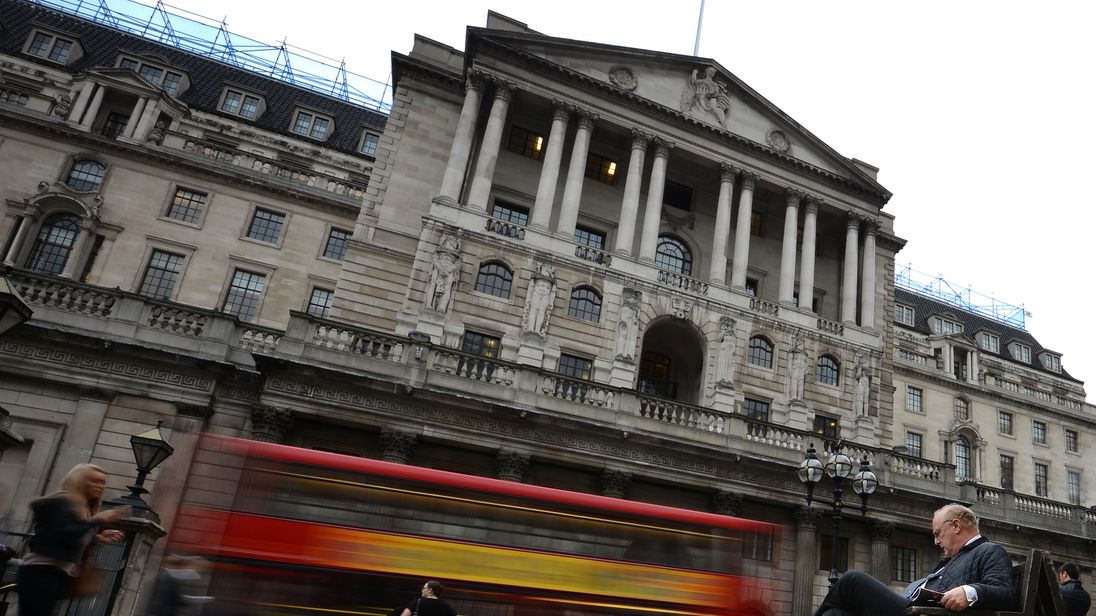
Bank of England’s Monetary Policy Shift and Economic Implications

August 16, 2024
in Europe, Financial express, Global, Top News
Bank of England’s Monetary Policy Shift and Economic Implications

Economic Policy and Market Response

In early August, the Bank of England made a significant decision to lower the base interest rate by 25 basis points, bringing it down from 5.25% to 5%. This marks the first interest rate cut by the Bank since March 2020, aligning with market expectations. Continued tightening of monetary policy by the Bank has successfully kept inflation in check, with the UK’s Consumer Price Index (CPI) maintaining a year-on-year increase of 2% in both May and June.

Recent Economic Measures and Impact

Over recent years, the Bank of England has consistently hiked the base interest rate to combat inflation, raising it to 5.25% through 14 consecutive increases from December 2021 to August 2023. However, starting from August 2023, the Bank refrained from further hikes or cuts, keeping the rate steady for nearly a year. Economic forecasts released alongside the interest rate decision showed the Bank’s prediction of a 1.25% GDP growth in 2024, upgraded from the 0.5% projected in May. The forecast for 2025 remains at 1% growth, with 2026 expected to see a 1.25% increase.

Inflation Outlook

The Bank projects an inflation rate of 2.4% for the next year, slightly lower than the 2.6% forecasted in May. In two years, the inflation rate is expected to be 1.7%, down from the previous estimate of 1.9%. By three years, it’s projected to drop to 1.5%, compared with the earlier 1.6% forecast.

Analysts’ Reactions and Future Projections

This unexpected 25 basis point cut was surprising, especially considering the accelerating wage growth. Nonetheless, most analysts predict that the Bank could implement one to two more rate cuts in 2024 and additional cuts in 2025. The August cut, while significant, does not indicate a shift towards sustained monetary easing. Rapid wage increases and persistent high inflation in the services sector make some members of the Bank cautious about further cuts.

Policy Deliberations and Governing Body’s Stance

The Bank of England’s statement revealed a split decision among its monetary policy committee members, with five members voting for the cut and four against, preferring to keep rates unchanged. Bank Governor Bailey emphasized the necessity of maintaining low inflation while ensuring that rate cuts are not too quick or excessive. The August cut added the UK to the global trend of lowering rates, supporting the Labour government’s commitment to economic growth.

Fiscal Policies and Economic Recovery Plans

The newly elected Labour government, led by Keir Starmer, returned to power after 14 years with a mandate to revitalize the economy. Despite winning on a wave of popularity, the government faces challenges in stimulating economic recovery. Recent statements stressed the UK’s precarious fiscal situation, with the Chancellor Rishi Sunak working to restore growth and address the party’s promise of filling a public finance gap of £220 billion (approx. $280 billion).

Budget Plans and Fiscal Adjustments

Sunak announced measures to reduce spending by £55 billion this year and over £80 billion next year to bridge the deficit. The government will release its first budget plan on October 30, with new tax and spending policies. Sunak mentioned reassessing plans for 40 new hospitals and adjusting healthcare department reforms to save £10 billion by the end of the next year.

Corporate Sector’s Response

The business community welcomed the rate cut, which alleviates some pressure from the prolonged tight monetary policy that had increased operating costs and stifled investment enthusiasm. Consequently, the rate cut is expected to encourage investment and faster economic growth. Lower borrowing costs might enhance corporate investment activity.

Upcoming Economic Expectations

Despite the Bank’s decision to cut rates now, cautious optimism persists about long-term inflation trends. Market institutions widely anticipate another rate cut before the end of the year. Reflecting these dynamics, the Bank is expected to maintain the current interest rate in September, with another potential 25 basis point cut in November. The UK’s Economic Forecasting Institute projects the base interest rate dropping to 4.75% by year-end, aligning with the British Chamber of Commerce’s expectations.

Monitoring Global Impacts

The Chamber highlighted persistent upward pressure on international trade and commodity prices. Thus, the Bank will closely monitor global developments. By year-end, the base interest rate is expected to fall to 4.75%, while caution about further cuts continues to prevail.


Tags: economyinflationinterest rates
ShareTweetShare

Related Posts

Europe

The Social Foundations of Economic Stability: How France and Germany Are Managing Inequality, Welfare, and the Future of Work

December 2, 2025
Europe

The Energy Transition Challenge: How France and Germany Are Rebuilding Their Economic Power Through Green Transformation

December 2, 2025
Europe

France and Germany in a Shifting Global Economy: How Both Countries Are Rebuilding Their Competitiveness

December 2, 2025
Europe

Germany’s Economy at a Turning Point: Slow Growth, Industrial Pressure, and the Search for a New Future

December 2, 2025
Europe

France’s Economy in a Time of Slow Growth and Social Pressure

December 2, 2025
Global

The Global Interest Rate Turning Point: How Central Banks Are Changing Their Policies

November 30, 2025
Load More
Leave Comment
  • Bitcoin on a rollercoaster ride The whole network more than 110,000 people exploded warehouse 2.9 billion yuan evaporation in 24 hours! What’s going on?

    Bitcoin on a rollercoaster ride The whole network more than 110,000 people exploded warehouse 2.9 billion yuan evaporation in 24 hours! What’s going on?

    0 shares
    Share 0 Tweet 0
  • There are always unconvinced want to try! The size of Nvidia’s short position is now comparable to Apple and Tesla combined

    0 shares
    Share 0 Tweet 0
  • The probability is about 75%! Will the G7 fall?

    0 shares
    Share 0 Tweet 0
  • A number of data point to the Japanese government intervention in the currency market after the “5 trillion” still depends on the United States

    0 shares
    Share 0 Tweet 0
  • How far can Tech stocks go to split on Fed expectations?

    0 shares
    Share 0 Tweet 0

Hot

The Social Foundations of Economic Stability: How France and Germany Are Managing Inequality, Welfare, and the Future of Work

December 2, 2025

The Energy Transition Challenge: How France and Germany Are Rebuilding Their Economic Power Through Green Transformation

December 2, 2025

France and Germany in a Shifting Global Economy: How Both Countries Are Rebuilding Their Competitiveness

December 2, 2025

Germany’s Economy at a Turning Point: Slow Growth, Industrial Pressure, and the Search for a New Future

December 2, 2025

France’s Economy in a Time of Slow Growth and Social Pressure

December 2, 2025
Japan’s Slow but Steady Recovery: How an Aging Nation Is Searching for New Growth

Japan and South Korea: Comparative Economic Analysis and Future Prospects

December 1, 2025
Japan’s Slow but Steady Recovery: How an Aging Nation Is Searching for New Growth

South Korea’s Economy in Transition: Challenges, Opportunities, and the Path Ahead

December 1, 2025
Japan’s Slow but Steady Recovery: How an Aging Nation Is Searching for New Growth

South Korea’s Economic Transformation: From Manufacturing to Technology and Services

December 1, 2025
Japan’s Slow but Steady Recovery: How an Aging Nation Is Searching for New Growth

December 1, 2025
Japan’s Slow but Steady Recovery: How an Aging Nation Is Searching for New Growth

Japan’s Slow but Steady Recovery: How an Aging Nation Is Searching for New Growth

December 1, 2025
Europe

The Social Foundations of Economic Stability: How France and Germany Are Managing Inequality, Welfare, and the Future of Work

December 2, 2025
Europe

The Energy Transition Challenge: How France and Germany Are Rebuilding Their Economic Power Through Green Transformation

December 2, 2025
Europe

France and Germany in a Shifting Global Economy: How Both Countries Are Rebuilding Their Competitiveness

December 2, 2025
Europe

Germany’s Economy at a Turning Point: Slow Growth, Industrial Pressure, and the Search for a New Future

December 2, 2025
wealthtrend

WealthTrend, as the leading financial information service platform in the industry, provides comprehensive, timely and accurate financial information services for investors and financial practitioners by virtue of its deep industry background, clear service purpose and unique characteristics.

Copyright © 2025 Contact: [email protected]

No Result
View All Result
  • Home
  • Top News
  • Global
  • Asia-Pacific
  • Europe
  • viewpoint
  • America
  • Europe and America

Copyright © 2025 Contact: [email protected]

Welcome Back!

Login to your account below

Forgotten Password?

Retrieve your password

Please enter your username or email address to reset your password.

Log In