











wealthtrend
  • Home
  • Top News
  • Global

    The Global Interest Rate Turning Point: How Central Banks Are Changing Their Policies

    The New Shape of Global Trade and Finance: How Supply Chains and Currencies Are Moving

    The Rise of Digital Money:

    Finance in a Time of Geopolitical Tension:

    The New Shape of Work: How Technology Is Changing U.S. Jobs

    The New Forces Driving Global Markets:Technology, Demographics, and the Rise of Emerging Economies

    Global Payments at an Inflection Point: How Infrastructure, Regulation, and Geopolitics Are Rewriting the Future of Money

  • Asia-Pacific
    Japan’s Slow but Steady Recovery: How an Aging Nation Is Searching for New Growth

    Japan and South Korea: Comparative Economic Analysis and Future Prospects

    Japan’s Slow but Steady Recovery: How an Aging Nation Is Searching for New Growth

    South Korea’s Economy in Transition: Challenges, Opportunities, and the Path Ahead

    Japan’s Slow but Steady Recovery: How an Aging Nation Is Searching for New Growth

    South Korea’s Economic Transformation: From Manufacturing to Technology and Services

    Japan’s Slow but Steady Recovery: How an Aging Nation Is Searching for New Growth

    Japan’s Slow but Steady Recovery: How an Aging Nation Is Searching for New Growth

    Japan’s Slow but Steady Recovery: How an Aging Nation Is Searching for New Growth

    The Rise of Asia as the Next Global Financial Center

  • Europe

    The Social Foundations of Economic Stability: How France and Germany Are Managing Inequality, Welfare, and the Future of Work

    The Energy Transition Challenge: How France and Germany Are Rebuilding Their Economic Power Through Green Transformation

    France and Germany in a Shifting Global Economy: How Both Countries Are Rebuilding Their Competitiveness

    Germany’s Economy at a Turning Point: Slow Growth, Industrial Pressure, and the Search for a New Future

    France’s Economy in a Time of Slow Growth and Social Pressure

    The New Monetary Landscape of Europe: How the Eurozone Is Redefining Its Financial Future

  • viewpoint
  • America
  • Europe and America
wealthtrend
  • Home
  • Top News
  • Global

    The Global Interest Rate Turning Point: How Central Banks Are Changing Their Policies

    The New Shape of Global Trade and Finance: How Supply Chains and Currencies Are Moving

    The Rise of Digital Money:

    Finance in a Time of Geopolitical Tension:

    The New Shape of Work: How Technology Is Changing U.S. Jobs

    The New Forces Driving Global Markets:Technology, Demographics, and the Rise of Emerging Economies

    Global Payments at an Inflection Point: How Infrastructure, Regulation, and Geopolitics Are Rewriting the Future of Money

  • Asia-Pacific
    Japan’s Slow but Steady Recovery: How an Aging Nation Is Searching for New Growth

    Japan and South Korea: Comparative Economic Analysis and Future Prospects

    Japan’s Slow but Steady Recovery: How an Aging Nation Is Searching for New Growth

    South Korea’s Economy in Transition: Challenges, Opportunities, and the Path Ahead

    Japan’s Slow but Steady Recovery: How an Aging Nation Is Searching for New Growth

    South Korea’s Economic Transformation: From Manufacturing to Technology and Services

    Japan’s Slow but Steady Recovery: How an Aging Nation Is Searching for New Growth

    Japan’s Slow but Steady Recovery: How an Aging Nation Is Searching for New Growth

    Japan’s Slow but Steady Recovery: How an Aging Nation Is Searching for New Growth

    The Rise of Asia as the Next Global Financial Center

  • Europe

    The Social Foundations of Economic Stability: How France and Germany Are Managing Inequality, Welfare, and the Future of Work

    The Energy Transition Challenge: How France and Germany Are Rebuilding Their Economic Power Through Green Transformation

    France and Germany in a Shifting Global Economy: How Both Countries Are Rebuilding Their Competitiveness

    Germany’s Economy at a Turning Point: Slow Growth, Industrial Pressure, and the Search for a New Future

    France’s Economy in a Time of Slow Growth and Social Pressure

    The New Monetary Landscape of Europe: How the Eurozone Is Redefining Its Financial Future

  • viewpoint
  • America
  • Europe and America
wealthtrend
Home Futures information

Addressing Cryptocurrency Risks: The Imperative of Global Regulatory Action

October 18, 2024
in Futures information, viewpoint
Addressing Cryptocurrency Risks: The Imperative of Global Regulatory Action

Introduction:

Cryptocurrency Disruption Underscores the Need for Regulation

The recent turmoil in the volatile world of cryptocurrency, exacerbated by the collapse of a major platform, highlights the inherent risks associated with digital assets lacking fundamental safeguards.

Crisis in Crypto:

An Era of Heightened Risk

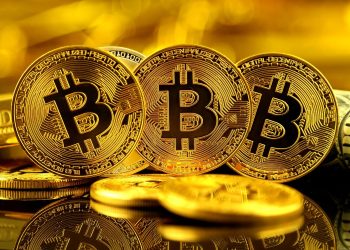
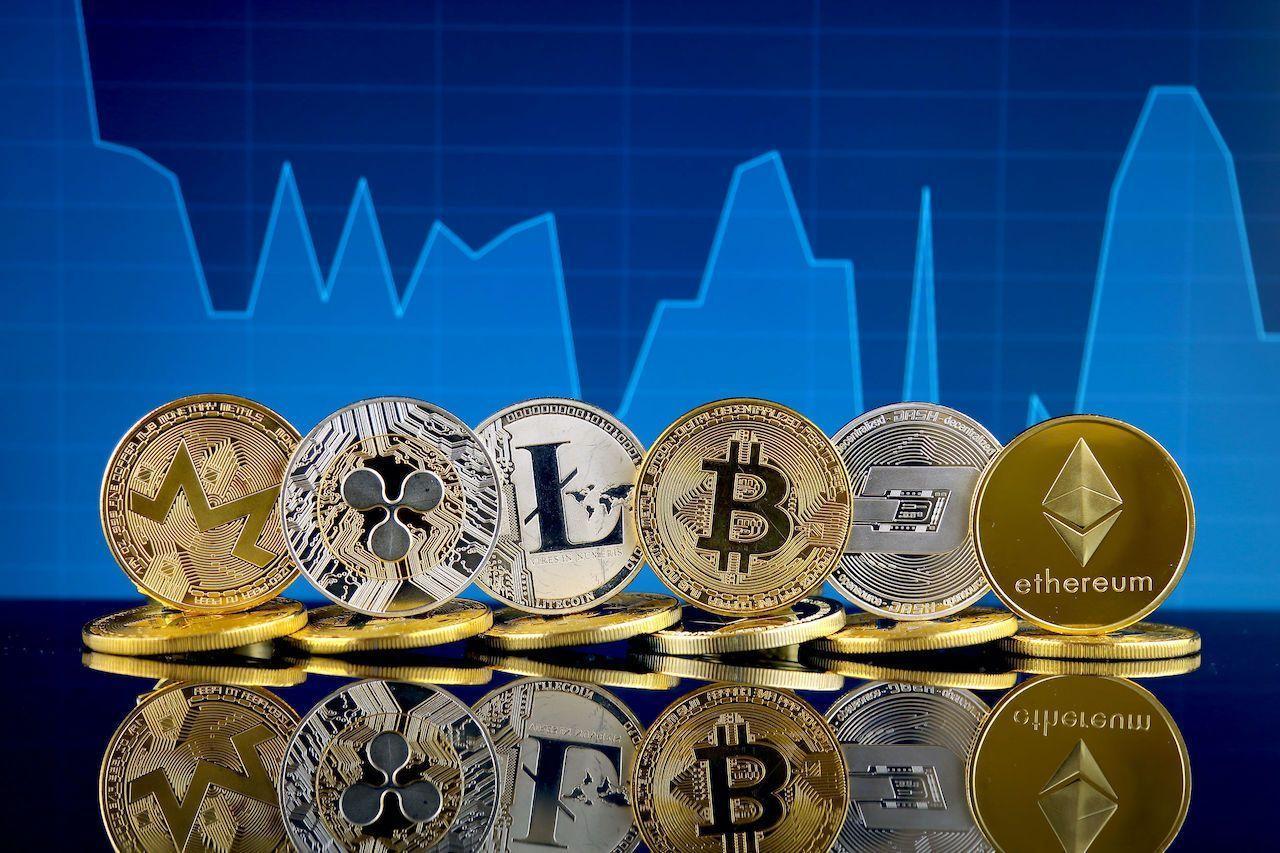
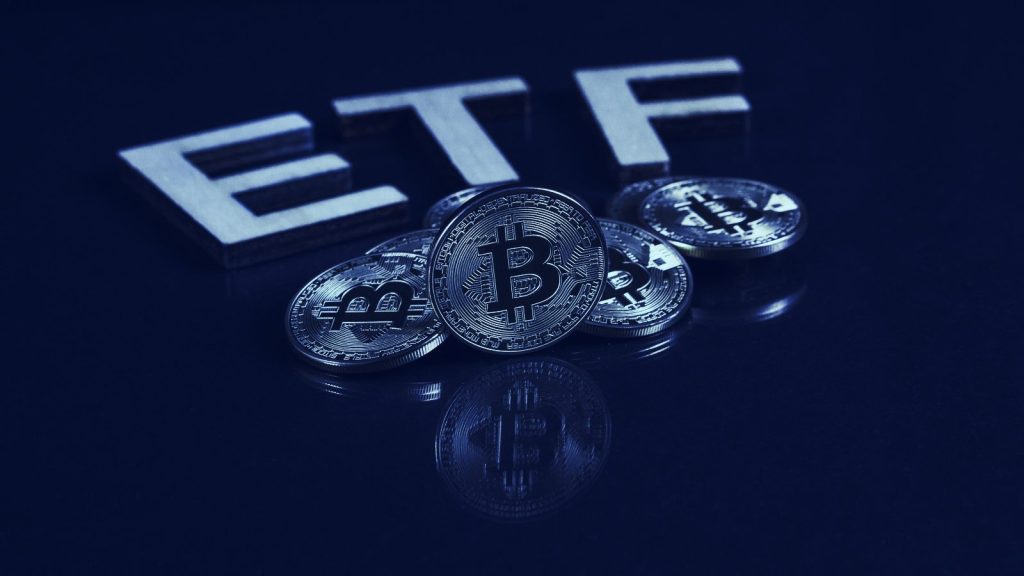
Authored by Li Bo and Nobuyasu Sugimoto on January 18, 2023, the piece reflects on the significant market disruptions signaling a perilous epoch for the cryptocurrency world, with trillions in market value being wiped out. An analysis by the Bank for International Settlements from November last year revealed a staggering two-thirds drop from the 2021 peak value of Bitcoin, the largest cryptocurrency, leaving around three-quarters of investors at a loss.

Market Vulnerabilities:

Stablecoin Fragility and Exchange Instabilities

Market stress periods have precipitated the failure of stablecoins, cryptocurrency-focused hedge funds, and cryptocurrency exchanges, subsequently sparking severe concerns about market integrity and user protection. The intertwining of cryptocurrency with the core financial system augments worries about systemic risks and financial stability in the foreseeable future.
Regulatory Solutions:

Global Standards for Emerging Challenges

Many of these challenges can be addressed by fortifying financial regulation and creating globally consistent standards enforceable by national regulators.

The International Monetary Fund (IMF) timely published two reports regarding the regulation of the cryptocurrency ecosystem amid the tumultuous and cyclical nature of this realm.

Comprehensive Approaches:

Our reports tackle the issues on two fronts. First, adopting a broad scope that looks at key entities performing core functions in the cryptocurrency landscape. The findings and recommendations thus apply to the entire cryptocurrency ecosystem.

Secondly, the focus narrows to stablecoins and their arrangements, digital assets designed to maintain a stable value against specified assets or pools.

The New Frontier:

The Rising Tide of Digital Assets

Cryptocurrencies, including stablecoins, have not yet posed a systemic risk to the global financial framework, but their impact on emerging markets and developing economies has been substantial. Some countries see vast retail holdings of cryptocurrencies, with cases of digital assets, especially USD-pegged stablecoins, replacing local currency. This shift towards “cryptofication”—using cryptocurrencies in place of local money and assets, often as a means to circumvent forex and capital control—poses new challenges: capital outflows, loss of monetary sovereignty, and threats to financial stability, necessitating policy responses that bolster confidence in domestic economies, currencies, and banking systems.

Developed economies also face financial stability risks from cryptocurrencies, as institutional investors seeking high returns in a low-interest rate environment accumulate stablecoins. Regulatory bodies must balance risk management with innovation.
Key Recommendations:

A Five-Point Legislative Framework

Our two advisory reports, “Regulating the Cryptocurrency Ecosystem: An Unbacked Assets Perspective” and “Regulating the Cryptocurrency Ecosystem: The Case for Stablecoins,” issued last September, propose five principal recommendations:

  1. Licensing Cryptocurrency Service Providers:
    Cryptocurrency service providers offering storage, transfer, exchange, settlement, and custody services should be licensed or registered and authorized, mirroring rules for traditional financial service providers. Customer assets must be segregated from institutional assets, and firewalls established between different operational departments.
  2. Multifunctional Entities and Conflict of Interest:
    Entities performing multiple functions should adhere to additional prudential requirements. Where conflicts of interest may arise from multifunctional roles, regulators should consider prohibiting such practices. If permitted, these institutions must follow stringent transparency and disclosure requirements so dependences can be identified.
  3. Stablecoin Issuers and Prudential Measures:
    Stablecoin issuers should conform to strict prudential norms. These instruments, increasingly accepted beyond cryptocurrency users and as a store of value, can jeopardize monetary and financial stability if not adequately regulated.
  4. Regulated Financial Institutions and Cryptocurrency Exposure:
    Clear requirements for their involvement in cryptocurrency, particularly custody services, should be articulated to mitigate associated risks. The Basel Committee on Banking Supervision’s recent criteria for prudent treatment of bank exposures to cryptocurrency is welcome progress.
  5. Towards Robust Global Oversight:
    Effective, cohesive global cryptocurrency regulation is paramount. The sector’s intersectoral and transnational characteristics diminish uncoordinated national regulatory efforts’ effectiveness. A globally concerted effort must be adaptable to changing landscapes and risk profiles.

Despite the rapid growth of cryptocurrencies, authorities worldwide struggle to manage the risks faced by users, with some adopting more aggressive measures. For instance, Sub-Saharan Africa, while least involved in cryptocurrency trading, exhibits the fastest growth rate, prompting bans in about a fifth of its countries.

Blanket bans may exceed regulatory necessity, thereby targeted restrictions should be more effective. Like Japan and the UK, we may restrict specific cryptocurrency derivatives or, akin to Spain and Singapore, limit cryptocurrency promotions.

Global standards take time to formulate, but the Financial Stability Board (FSB) has provided commendable guidance for cryptocurrencies and stablecoins. Our fintech papers echo many of the same conclusions, reflecting our collective and convergent perspectives on the market. At the IMF, we will continue to collaborate with global institutions and member countries to assist policymakers in serving the best interests of individual users and the global financial system.

Tags: CryptocurrencyRisks
ShareTweetShare

Related Posts

The Asian Century in Flux: Financial Centers, Capital Flows, and Geopolitical Risk
Europe

The Silent Strain: Europe’s Structural Challenges in a Post-Globalization Era

November 12, 2025
The Asian Century in Flux: Financial Centers, Capital Flows, and Geopolitical Risk
viewpoint

The Fragile Order: Rethinking Financial Regulation in a Post-Crisis World

November 11, 2025
The Asian Century in Flux: Financial Centers, Capital Flows, and Geopolitical Risk
viewpoint

The Asian Balance: How Emerging Markets Will Shape Global Finance in 2025

November 11, 2025
The Asian Century in Flux: Financial Centers, Capital Flows, and Geopolitical Risk
viewpoint

November 11, 2025
The Asian Century in Flux: Financial Centers, Capital Flows, and Geopolitical Risk
viewpoint

Ethics of Capital: The Human Cost of Financial Efficiency

November 11, 2025
The Asian Century in Flux: Financial Centers, Capital Flows, and Geopolitical Risk
viewpoint

The Asian Century in Flux: Financial Centers, Capital Flows, and Geopolitical Risk

November 11, 2025
Load More
Leave Comment
  • Bitcoin on a rollercoaster ride The whole network more than 110,000 people exploded warehouse 2.9 billion yuan evaporation in 24 hours! What’s going on?

    Bitcoin on a rollercoaster ride The whole network more than 110,000 people exploded warehouse 2.9 billion yuan evaporation in 24 hours! What’s going on?

    0 shares
    Share 0 Tweet 0
  • There are always unconvinced want to try! The size of Nvidia’s short position is now comparable to Apple and Tesla combined

    0 shares
    Share 0 Tweet 0
  • The probability is about 75%! Will the G7 fall?

    0 shares
    Share 0 Tweet 0
  • A number of data point to the Japanese government intervention in the currency market after the “5 trillion” still depends on the United States

    0 shares
    Share 0 Tweet 0
  • How far can Tech stocks go to split on Fed expectations?

    0 shares
    Share 0 Tweet 0

Hot

The New Inflation Puzzle: Why Europe and the United States Are Struggling With Different Price Pressures

The New Economic Landscape of Europe and the United States: How 2025 is Reshaping Growth Models

December 3, 2025
The New Inflation Puzzle: Why Europe and the United States Are Struggling With Different Price Pressures

Transatlantic Trade Shifts: How Europe and the United States Are Redefining Economic Partnerships in 2025

December 3, 2025
The New Inflation Puzzle: Why Europe and the United States Are Struggling With Different Price Pressures

The Energy Transition Divide: How Europe and the United States Are Taking Different Paths Toward a Green Economy

December 3, 2025
The New Inflation Puzzle: Why Europe and the United States Are Struggling With Different Price Pressures

The New Workforce Challenge: How Europe and the United States Are Struggling With Talent Shortages and Productivity Slowdowns

December 3, 2025
The New Inflation Puzzle: Why Europe and the United States Are Struggling With Different Price Pressures

The New Inflation Puzzle: Why Europe and the United States Are Struggling With Different Price Pressures

December 3, 2025

The Social Foundations of Economic Stability: How France and Germany Are Managing Inequality, Welfare, and the Future of Work

December 2, 2025

The Energy Transition Challenge: How France and Germany Are Rebuilding Their Economic Power Through Green Transformation

December 2, 2025

France and Germany in a Shifting Global Economy: How Both Countries Are Rebuilding Their Competitiveness

December 2, 2025

Germany’s Economy at a Turning Point: Slow Growth, Industrial Pressure, and the Search for a New Future

December 2, 2025

France’s Economy in a Time of Slow Growth and Social Pressure

December 2, 2025
The New Inflation Puzzle: Why Europe and the United States Are Struggling With Different Price Pressures
Europe and America

The New Economic Landscape of Europe and the United States: How 2025 is Reshaping Growth Models

December 3, 2025
The New Inflation Puzzle: Why Europe and the United States Are Struggling With Different Price Pressures
Europe and America

Transatlantic Trade Shifts: How Europe and the United States Are Redefining Economic Partnerships in 2025

December 3, 2025
The New Inflation Puzzle: Why Europe and the United States Are Struggling With Different Price Pressures
Europe and America

The Energy Transition Divide: How Europe and the United States Are Taking Different Paths Toward a Green Economy

December 3, 2025
The New Inflation Puzzle: Why Europe and the United States Are Struggling With Different Price Pressures
Europe and America

The New Workforce Challenge: How Europe and the United States Are Struggling With Talent Shortages and Productivity Slowdowns

December 3, 2025
wealthtrend

WealthTrend, as the leading financial information service platform in the industry, provides comprehensive, timely and accurate financial information services for investors and financial practitioners by virtue of its deep industry background, clear service purpose and unique characteristics.

Copyright © 2025 Contact: [email protected]

No Result
View All Result
  • Home
  • Top News
  • Global
  • Asia-Pacific
  • Europe
  • viewpoint
  • America
  • Europe and America

Copyright © 2025 Contact: [email protected]

Welcome Back!

Login to your account below

Forgotten Password?

Retrieve your password

Please enter your username or email address to reset your password.

Log In